



Jul 26, 2026 11:00am IST
Nolan, Cameron, Kubrick And Spielberg: The Cinematic Sabbaticals Of Hollywood’s Greatest Directors
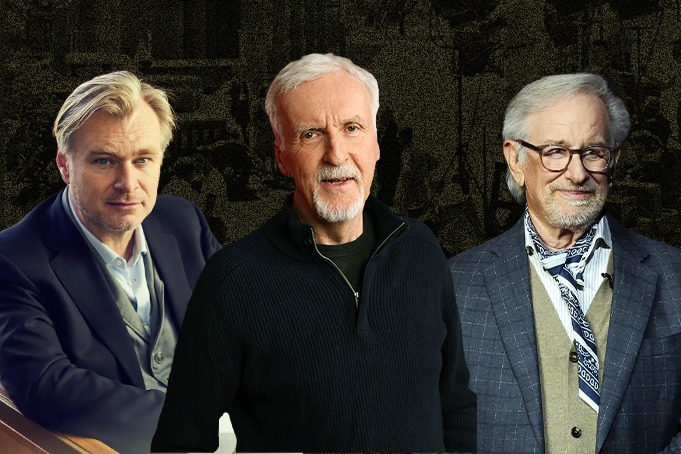
Christopher Nolan has spent the last two decades operating like a high-concept machine, consistently delivering massive cinematic spectacles every two to three years. That relentless pace hit a wall after the grueling production of his Greek mythic epic, “The Odyssey,” which landed in theaters on July 17, 2026. Following the monumental effort to bring Homer's tale to life on IMAX cameras, the director announced that he plans to step away for a substantial breather before attempting his next project. Addressing the sheer toll of the shoot in a recent interview, Nolan admitted, "I definitely hit the limits of my own stamina and everybody's stamina, I think. I mean, it is ‘The Odyssey,’ of course it should be difficult." When asked if audiences should expect to wait three years for his next feature, he bluntly replied, "Oh, at least." While a multi-year pause feels like an eternity for Nolan fans accustomed to his steady output, three years is a mere drop in the bucket compared to the epic sabbaticals taken by other legendary filmmakers.
Related Stories
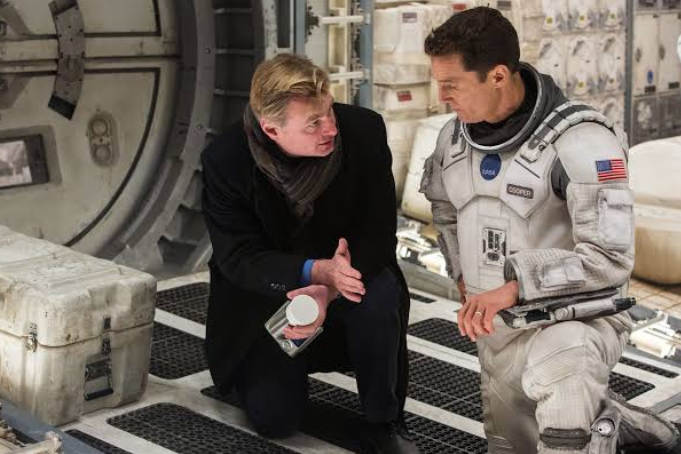
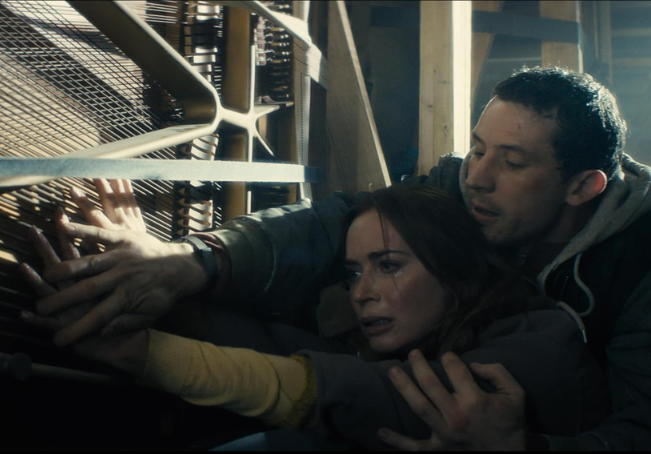
James Cameron practically invented the modern decade-long hiatus. After crushing every box-office record in existence with “Titanic” on December 19, 1997, Cameron vanished from narrative feature filmmaking for 12 years to focus on deep-sea exploration and to build entirely new digital filmmaking technology. He returned on December 18, 2009, with “Avatar,” only to repeat the cycle. The wait between ‘Avatar’ and its sequel, ‘Avatar: The Way of Water’, stretched even longer, spanning thirteen years from December 18, 2009 to December 16, 2022. Cameron proved that when a director takes a decade off to reinvent camera technology, audiences will happily wait for the results.
Stanley Kubrick operated on a similar frequency of perfectionism, though his delays were fueled by obsession rather than technology. His career pace slowed dramatically in his later years, culminating in a 12-year gap between his gritty Vietnam War drama “Full Metal Jacket,” released on June 26, 1987, and his psychological erotic drama “Eyes Wide Shut,” which hit theaters on July 16, 1999. Kubrick spent those intermediate years meticulously researching abandoned passion projects and shooting “Eyes Wide Shut” over an unprecedented 15-month continuous production cycle, making it the longest unbroken film shoot in history.
Martin Scorsese is famously one of the most prolific directors in American cinema, but even he has felt the drag of development hell and financing woes. Scorsese went through a nearly five-year gap between his Tibetan biographical drama “Kundun,” released on December 25, 1997, and his massive historical epic “Gangs of New York”, which finally made it to screen on December 20, 2002. The delay was plagued by ballooning budgets, set reconstructions in Rome and public creative clashes with studio executives, marking a rare extended absence for a director who usually turns around new work every two years.
Quentin Tarantino built his career on taking his time, making sure each installment of his promised 10-film filmography felt like a major event. After skyrocketing to fame in the 1990s, Tarantino took a five-year gap between his blaxploitation homage “Jackie Brown,” released on December 25, 1997, and his martial-arts revenge saga “Kill Bill: Volume 1,” which arrived on October 10, 2003. Tarantino used the prolonged break to step out of the Hollywood pressure cooker, travel the world and draft an expansive martial arts script that eventually grew so long it had to be split into two separate movies.
Steven Spielberg stands as the polar opposite of the slow-burning auteur, frequently editing one movie while on the set of another and releasing two masterpieces in a single year. His longest breather between features was a three-year gap between his sci-fi pop-culture spectacle “Ready Player One,” released on March 29, 2018, and his musical remake “West Side Story,” which premiered on December 10, 2021. This stretch was partially prolonged by global theater shutdowns, making three years the absolute maximum amount of time Spielberg has ever kept audiences waiting.













Comments are moderated. They may be edited for clarity and reprinting in whole or in part in Variety publications.