



Jul 01, 2026 10:00pm IST
The Code: 5 On-Set Rules That Make Christopher Nolan Unreplicable
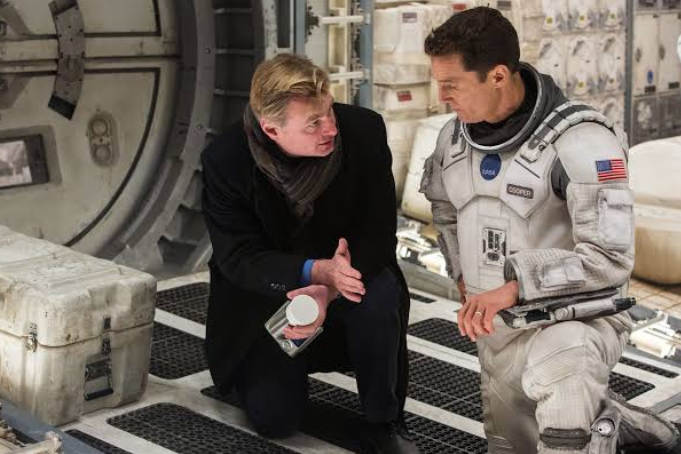
Christopher Nolan doesn’t just make films; he engineers iconic cinematic milestones. From the gravity-defying corridors of “Inception” to the haunting, practical blast of “Oppenheimer,” Nolan treats cinema with great reverence — a streak he aims to continue with his highly anticipated mythic epic, “The Odyssey.” The film, which releases on July 17, promises to bring Homer’s ancient world to life using groundbreaking, immersive IMAX technology.
But what truly separates him from his contemporaries isn’t just his multibillion-dollar box-office track record, it is the uncompromising lifestyle he maintains on his film sets. While other directors manage productions from massive video villages or tweak scripts on iPads, Nolan operates under a self-imposed set of analog rules. He is a filmmaker who completely rejects the world’s modern pace to maintain his focus. The sheer discipline to follow these five hyper-specific creative choices to an absolute T makes him one of a kind.
Related Stories

The Total Digital Blackout
Nolan does not own a smartphone, doesn’t use email and refuses to allow an internet connection in his writing room. When he is writing or filming, he plunges himself into a complete digital blackout. On his sets, smartphones are strictly banned for everyone, meaning that if you need to speak to Nolan, you cannot text him, you must walk up and look him in the eye. Nolan once noted that phones have become a massive distraction that breaks human focus, and he believes people work much better without them. By locking out the digital noise, he forces his cast and crew to exist entirely within the world of the movie.
Guarding the “Perimeter”
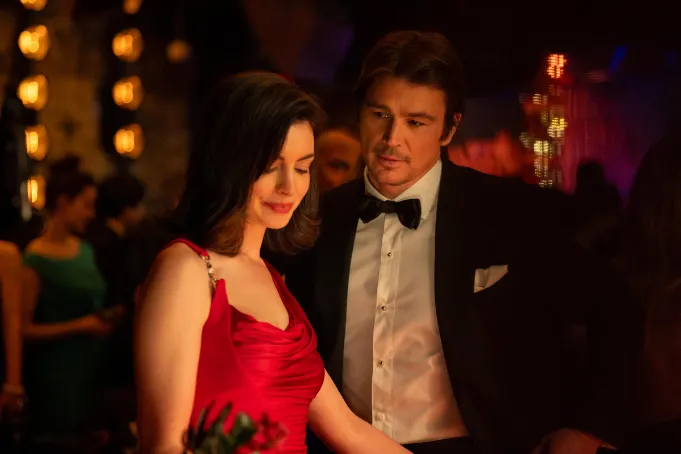
On a standard Hollywood set, directors sit far away from the action in a tent called the “video village,” surrounded by monitors, executives, and comfortable chairs. Nolan completely abolishes this concept, enforcing a strict focus boundary, or perimeter, around the camera lens. Instead of hiding behind a screen, Nolan stands right next to the camera, and he famously bans chairs within this immediate shooting area. Collaborators like Anne Hathaway have pointed out that Nolan’s strict no-chair policy keeps energy high and people on their feet. If you are within the perimeter, you are working, observing and fully engaged. This rule prevents massive trailer cities from forming miles away, ensuring actors stay close to the set and remain locked into the gravity of the scene.
Hand-Written Notes and Physical Script Deliveries
In a world dominated by cloud-sharing and secure digital PDFs, Nolan deals exclusively in the physical world. He writes his scripts on a computer completely disconnected from the internet, but his revision notes are often jotted down by hand. Furthermore, he refuses to email a script to an actor under any circumstances. When casting massive epics like “Oppenheimer” or “Interstellar”,” Nolan flew to the actors’ homes across the globe and physically handed them the script printed on watermarked, secure red paper. He then waited outside or in a nearby room while they read it. This process keeps his ideas secure from cyber-leaks while injecting an old-school, personal weight into the collaboration, signaling to the actor that the project is a major event.
The Monastic Schedule
To maximize every single second of daylight and budget, Nolan runs a hyper-disciplined set where even natural human breaks are synchronized. His collaborators, including Robert Downey Jr. and Cillian Murphy, have hilariously noted that Nolan runs on a highly structured timeline that leaves very little room for unstructured downtime. Restroom breaks are widely known to be consolidated into specific windows, usually around 11 am and 6 pm, rather than being taken at random intervals. Nolan views any pause in production as an unnecessary leak of creative momentum, and this rigidity forces the entire crew into a rhythmic, highly efficient sprint that often wraps filming ahead of schedule.
The Daily Tailored Suit
Nolan treats the set like a high-stakes boardroom. Be it the freezing mud of “Dunkirk” or the sweltering heat of the New Mexico desert for “Oppenheimer”, Nolan shows up to work every single day wearing a tailored dark suit jacket, a collared dress shirt and sensible dress shoes. For Nolan, dressing professionally establishes an atmosphere of absolute professionalism, sending a clear message that he isn’t there to relax, but to conduct an orchestra.
It is easy to view these eccentricities as self-indulgent or old-fashioned. But the box office numbers and critical acclaim speak for themselves. By stripping away smartphones, chairs, emails and casual wear, Nolan creates an environment of total artistic immersion. He proves that to make movies that defy the ordinary, a director must first refuse to live like everyone else.













Comments are moderated. They may be edited for clarity and reprinting in whole or in part in Variety publications.