



Aug 14, 2026 2:02pm IST
‘Batwara 1947’ Review: Sunny Deol And Shabana Azmi Lead A Partition Drama That Lacks Emotional Depth And Balance
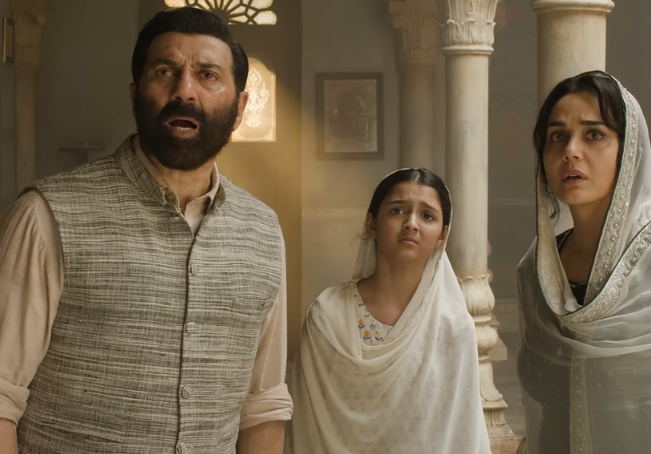
Any movie about Partition is meant to be handled with utmost respect for the countless victims, demanding immense sensitivity in its execution. While attempting to strike that delicate balance, the absolute core ingredient of depicting such a tragic event and its devastating aftermath is emotion. If that is missing on camera, whether in the scenes, the dialogues or the performances, everything else simply falls flat no matter how hard you try.
Cinema is all about making the audience feel. When it comes to a tragedy we have seen depicted countless times before, making us care should be at the very top of the list. That is “Batwara 1947’s” biggest shortcoming. Adapted from Asghar Wajahat play “Jis Lahore Nai Dekhya O Jamyai Nai”, the film follows Sikander Mirza (Sunny Deol) as he migrates with his family from Lucknow to a Lahore haveli, only to find an elderly Hindu woman named Mai (Shabana Azmi) refusing to leave.
Related Stories

Unfortunately, much of the narrative operates at a surface level, with far too many crucial elements brushed under the carpet. Scenes that desperately require intensity lack energy, while minor moments are treated like they matter immensely. Emotional continuity is similarly jarring; a family that wants Mai out one second is suddenly ready to cook for her the very next, without any real connective tissue. Even when Javed is separated from his family, the surrounding language and body language completely fail to match the weight of the moment. There is urgency, sure, but no lingering trauma, which is precisely why you do not feel a thing when he finally reunites with them in Lahore.
The performances across the board are a mixed bag. Preity Zinta is given very little to do beyond reacting to the events unfolding around her. Karan Deol clearly shows this is only his second film, swinging wildly between 0 and 100 on the emotional scale while struggling with enunciation and dialogue delivery. Meanwhile, Abhimanyu Singh is saddled with a stereotypical ‘Bad Muslim Man’ character whose dialogues are spoken in a confusing, unidentifiable dialect that is neither Hindi, Punjabi nor Urdu.
On the flip side, it is refreshing to see Sunny Deol tone down his usual macho persona for a change. He is happy, sad and angry in just the right doses. But the real star of the film is Shabana Azmi. She brings the much needed realism, sincerity and raw feeling that the story so badly deserves, single handedly lifting the movie every single time it dips.
In the end, the film does manage to show that good and bad existed on both sides of the border, reminding us that an eye for an eye will only leave the whole world blind. It is just a shame that a story with this much potential loses its heart along the way.







Comments are moderated. They may be edited for clarity and reprinting in whole or in part in Variety publications.