



Oct 18, 2026 12:30pm IST
From ‘Street Fighter’ To ‘Mortal Kombat,’ ‘Super Mario’ And ‘The Last of Us’: Why Video Games Are Taking Over Hollywood
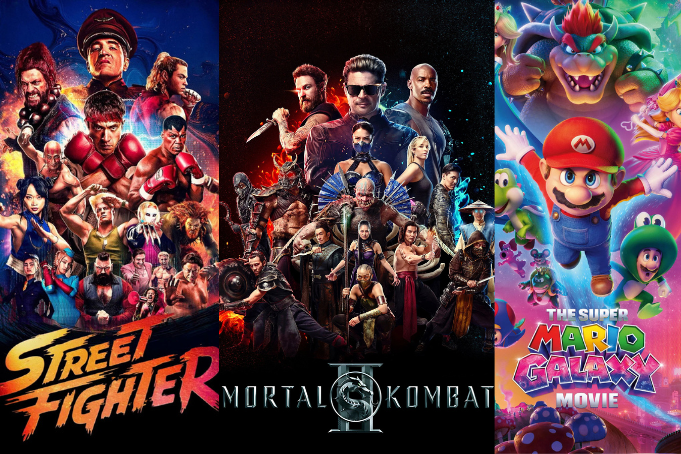
Remember spending hours trying to beat an opponent in “Street Fighter,” pulling off a finishing move in “Mortal Kombat” or guiding Mario through a seemingly endless series of obstacles? Now imagine seeing those characters, battles and familiar worlds recreated on a giant cinema screen. That is the appeal of video game adaptations. Characters once confined to consoles and computer screens are now headlining Hollywood productions, giving longtime players a chance to revisit their favourites and moviegoers an opportunity to discover what makes these gaming universes so popular.
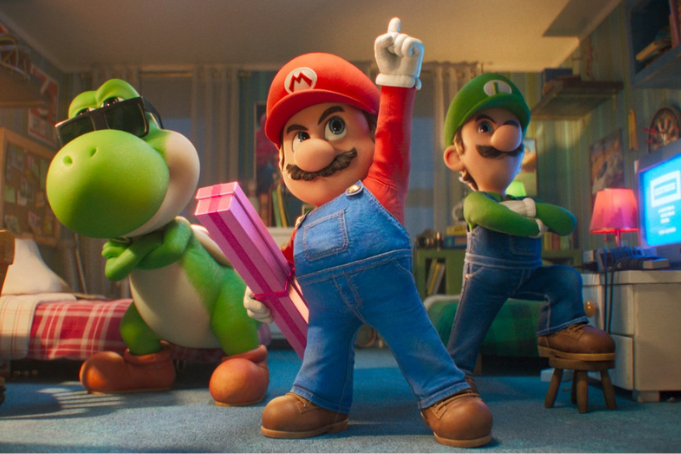
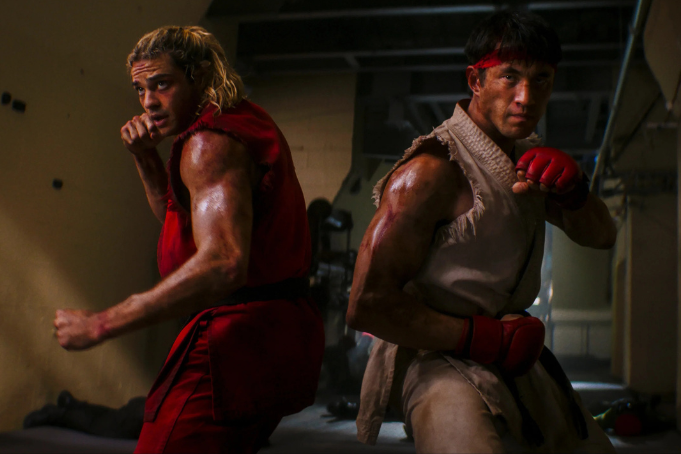
In 2026, the trend has taken several forms. “The Super Mario Galaxy Movie” crossed $1 billion worldwide, the new “Resident Evil” film has brought the horror franchise back to cinemas and “Street Fighter” has just released. Meanwhile, HBO's “The Last of Us” has demonstrated how a video game can become a compelling television drama.
The question is no longer whether games can be adapted for the screen. It is what makes some adaptations resonate with audiences while others struggle to translate their gaming appeal into entertainment.
Related Stories
Why Hollywood is betting on video games
One reason is simple: these characters already have fans. Unlike an entirely original film, an adaptation of a popular game arrives with an established identity, a built-in audience and years of stories, rivalries and adventures to draw from.
For longtime players, the excitement is personal. These are characters they have spent hours controlling, opponents they have struggled to defeat and worlds they have returned to repeatedly. Seeing them brought to life offers a new way to experience something they already love.
For those who have never picked up a controller, the attraction can be just as straightforward. Colourful worlds, larger-than-life heroes, spectacular battles and gripping survival stories can make for entertaining cinema or television without requiring any knowledge of the original games.
Nostalgia plays a major role, too. People who grew up playing “Super Mario,” “StreetFighter” and “Mortal Kombat” are now adults revisiting childhood favourites. Younger audiences continue to discover these franchises through modern gaming.
For studios, the appeal extends beyond ticket sales. A successful adaptation can introduce a franchise to new audiences, revive interest in its games and create opportunities for sequels, merchandise and further adaptations.
Verdict already delivered
The numbers explain why studios are willing to make these bets. “The Super Mario Bros. Movie” (2023) earned approximately $1.36 billion worldwide, while “A Minecraft Movie” (2025) collected around $961 million. In 2026, “The Super Mario Galaxy Movie:” joined the billion-dollar club, becoming the first film released this year to cross that milestone.
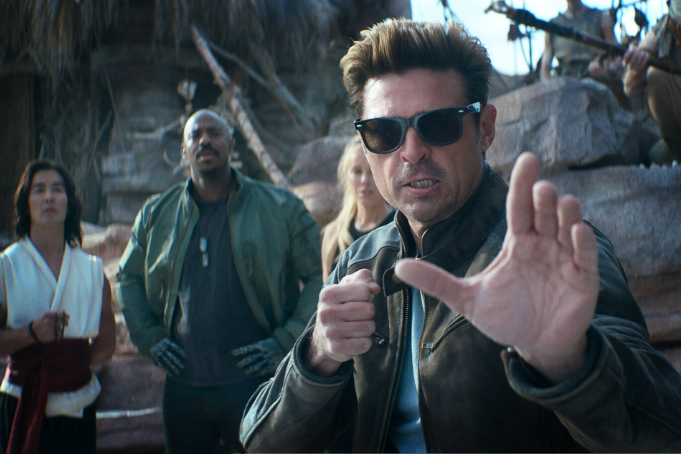
But the picture is more complicated than a string of hits. The 2021 “Mortal Kombat” film earned approximately $84.4 million worldwide, while the new “Resident Evil” reboot has generated around $320 million globally, according to recent box-office reporting. The latter's performance suggests that horror adaptations can attract audiences beyond the gaming community, particularly when they offer an effective cinematic experience in their own right.
These figures show that a familiar name can create curiosity, but the genre does not guarantee success. The challenge is turning that initial interest into a film people actually want to watch.
Different games, different audiences
Not every successful adaptation follows the same formula. “Super Mario” draws audiences through colourful animation, humour, adventure and nostalgia. “Street Fighter” and “Mortal Kombat” promise spectacular combat and recognisable fighting styles, while “Resident Evil” taps into survival horror, monsters and the tension of being trapped in a dangerous world.
“The Last of Us” offers a different approach. Rather than relying primarily on action or familiar gameplay moments, the HBO series places its characters and their relationships at the centre of a post-apocalyptic story. Its emotional stakes make the experience accessible even to viewers who have never played the games.
A video game adaptation does not have to reproduce the experience of playing to succeed. It must understand what made the original compelling and find the right way to translate that appeal into a different medium. For fans, that might mean seeing a beloved character faithfully recreated. For newcomers, it could be the suspense of a horror film, the emotional pull of a drama or the sheer spectacle of an animated adventure.
Nostalgia isn’t enough
The biggest challenge for filmmakers is balancing fan expectations with the needs of a wider audience. Fans want recognisable costumes, signature moves, familiar settings and references to memorable moments. But a movie cannot simply string together Easter eggs and action sequences and expect audiences to remain invested. A television series has more room to explore character histories, while a film often has to establish its world and deliver a satisfying story within a couple of hours.
The strongest adaptations understand what makes their source material special without feeling obliged to reproduce every level, character or plot point. They respect the original while creating an experience that works on its own.
There’s plenty of evidence that gaming properties remain a major draw. The real test is whether Hollywood can keep turning familiar characters into compelling screen stories rather than relying on nostalgia alone.














Comments are moderated. They may be edited for clarity and reprinting in whole or in part in Variety publications.