



Oct 17, 2026 3:00pm IST
From Temples to Ticketed Arenas: Why Devotional Music is India’s Hottest Live Entertainment Trend
India has always been a spiritual civilization. For centuries, bhajans, kirtans, qawwalis, abhangs, Gurbani and Vedic chants have echoed through temples, dargahs, gurudwaras, homes and public gatherings. They have formed one of the world’s oldest continuous traditions of communal music. Today, those devotional songs are finding a new audience inside ticketed auditoriums, convention centres and arena-scale productions complete with immersive LED visuals, theatrical lighting and world-class sound design.
Hence, the rise of India’s devotional concert economy is more a repackaging of something familiar. As the country’s live entertainment business diversifies beyond Hindi concerts and international touring acts, devotional music is emerging as one of its fastest-growing categories.
A legacy built long before streaming
India’s relationship with devotional music predates every modern entertainment format. Long before playlists and algorithms, bhajans travelled through oral traditions and spiritual gatherings.
Related Stories
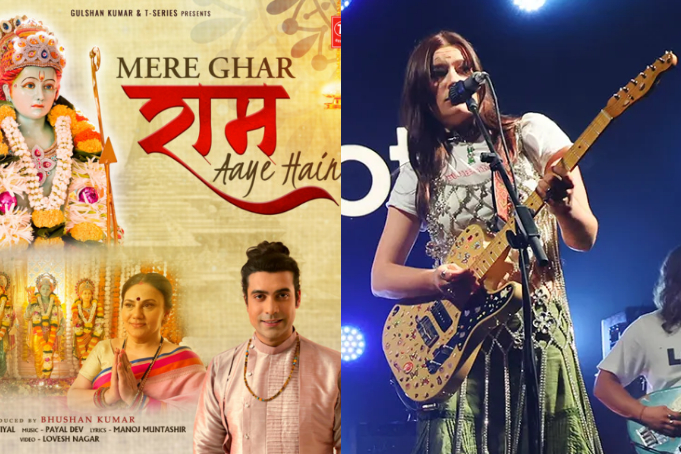
The cassette revolution of the 1980s and 1990s transformed devotional music into one of India’s earliest mass-market audio businesses. Artistes, including Anup Jalota, Hari Om Sharan, Narendra Chanchal, Lata Mangeshkar, M. S. Subbulakshmi and Jagjit Singh, became household names whose recordings were played every morning across millions of homes. Veteran singer and musician Anup Jalota says, “I made devotional singing easier by composing them in ragas and making them semi-classical. I have been singing bhajans for the last 50 years but Pandit Bhimsen Joshi to D. V. Paluskar, Omkarnath Thakur, Pandit Jasraj and Kishori Amonkar, always finished their concerts with devotional tunes. The trend stems from them.”
Music labels built vast devotional catalogues that often rivalled and sometimes outperformed, film music in sales. T-Series’ “Hanuman Chalisa,” at 5.5 billion streams on YouTube, is the most viewed devotional song of the platform. Morning television programming and radio broadcasts have further cemented devotional playlists as part of everyday Indian life. Bhushan Kumar, Managing Director of T-Series, says, “As live devotional experiences grow, they are no longer just performances - they are moments of collective faith, spiritual connection, culture and community, bringing people together in a way that is both deeply personal and profoundly shared.”
Kumar believes this growing engagement reflects a larger shift in audience behaviour, “Devotional music has always had a deep emotional connection with people in India, but what has changed today is the way audiences are choosing to experience it. We are seeing younger listeners embrace bhajans, kirtans and other devotional music across digital platforms as well as live events, creating a much wider and more diverse audience than ever before. For us at T-Series, devotional music is not just a genre - it is part of our identity and legacy. My father, Shri Gulshan Kumar ji, devoted himself to making spiritual music accessible to every household, and his presence in the ‘Hanuman Chalisa’ video continues to hold immense emotional value for millions. Seeing generations continue that tradition is deeply humbling and a reminder that faith transcends time.”
Today’s sold-out devotional concerts are simply building upon decades of collective musical memory.
Devotion finds a new stage
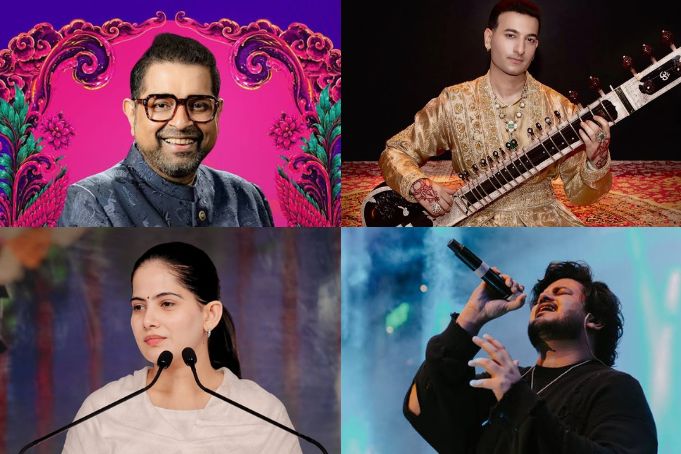
If the songs remain familiar, the presentation has changed dramatically. Amongst the clearest examples is “ANANDAM - The Symphony of Devotion,” where Shankar Mahadevan combines orchestral arrangements, storytelling and audience participation to transform traditional bhajans into a theatrical live experience.
For Mahadevan, however, the essence remains in one of India’s oldest musical traditions, “Naam Sankirtan is a very simple form of music where you sing a line and the listener, the audience repeats it. This is the simplest but the most joyful experience.”
He believes devotional music doesn’t belong to a single format, “It all depends on how you present it. You may be sitting with a tanpura in a meditative mood, but you can be out of tune and the experience can be terrible. Or you can play a modern synthesizer, but you are so pristine that you give that meditative experience. I don’t believe there is only one way to listen to music.” His philosophy reflects on devotional music increasingly embracing contemporary production values without abandoning its spiritual core.
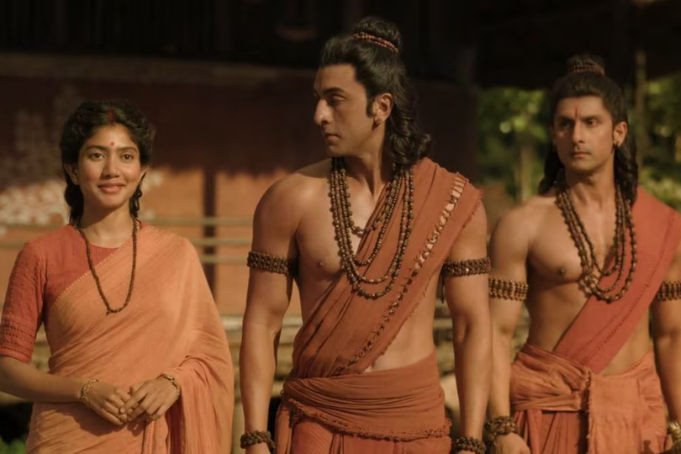
One of the biggest examples of devotional music entering mainstream entertainment is Nitesh Tiwari’s upcoming epic “Ramayana.” Critically acclaimed sitar virtuoso Rishab Rikhiram Sharma has joined Academy Award-winning composers Hans Zimmer and A.R. Rahman to shape the film’s musical landscape, marking his first major Hindi film scoring credit. At the first trailer launch in New Delhi, Sharma captivated audiences with a live performance on his custom-engineered electronic sitar, SITARA, presenting the bhajan “Rama Rama” alongside original compositions including “Tilak Kamod,” “Chanakya,” “Kautilya” and “Tandavam.” His work also features on the trailer’s title track and key passages throughout the film. The collaboration signals how devotional and Indian classical music are becoming integral to contemporary blockbuster storytelling too.
Rise of devotional concerts
Singer Kavita Paudwal opinionates that the rise of devotional concerts come from the search for peace, purpose and emotional balance, “Life has become very fast, and while people are connected through technology, they are looking for a deeper connection. Devotional music allows people to pause, surrender and experience faith through sound. That is why devotional concerts are witnessing such a powerful resurgence today. People are no longer looking only for entertainment. They want music that heals, uplifts and gives them hope. Audiences are rediscovering the joy of experiencing faith collectively,” she adds.
Shaan believes the youth today are much more spiritually inclined than his generation, “Compared to my own generation growing up, I actually find the youth today far more devotional, religious and spiritually inclined. There is a visible resurgence of cultural pride, traditions and bhajan singing. With concepts like ‘bhajan clubbing’ becoming trendy, devotional music has certainly become much more accessible and culturally cool. The younger generation is actively engaging with their roots and traditions.”
Paudwal also shares, “The response to these concerts has been deeply moving and humbling. When people tell me that a bhajan helped them through a difficult phase, brought peace into their home or strengthened their faith, it means far more to me than applause.”
Gen-Z meets bhakti
Qawwalis at dargahs, church choirs and gospel music and devotional gatherings at temples have draw people of all ages. In India, however, spiritual music was often marketed as something meant primarily for older audiences. The new generation is reclaiming devotional music and giving it a contemporary identity without losing its spiritual core.
The evolution is visible in the rapid rise of “bhajan clubbing.” At first glance, these gatherings resemble electronic music festivals. Dynamic lighting, powerful live bands, rock instrumentation and energetic audiences singing in unison create an atmosphere that feels closer to a contemporary concert than a traditional satsang. The lyrics, however, are inspired by centuries-old devotional poetry. Collectives such as Keshavam Devotional Rock Band have helped popularise the format across cities including Delhi, Mumbai and Lucknow, positioning these events as alcohol-free, community-led alternatives to conventional nightlife.
Jalota believes, “Today’s generation has a lot of stress. The simple chanting and dancing in bhajan clubbing helps them relieve that. As a devotional music enthusiast, I think it is a beautiful thing.”
Scale demands sustenance
While traditional bhajan singers spent decades building loyal audiences through temple performances, satsangs and religious gatherings, today’s devotional concerts increasingly mirror mainstream live entertainment. Spiritual orator and singer Jaya Kishori has been at the forefront of this shift. She presents large-scale devotional events that combine storytelling, bhajans and concert-style production, attracting audiences across generations.
Jaya Kishori reflects on the use of scale in serving devotional congregations, noting, “Bringing these transformative experiences to life at a grand scale requires real resources. The artists, musicians and crew who dedicate themselves to this work have families to support, and creating high-quality, sacred spaces naturally demands a budget. Big, uplifting movements require an ecosystem to sustain them. Ultimately, it’s just about mindfulness and being conscious of supporting whatever brings genuine light, healing and peace into your life.
Playback stars get spiritual
The growing appetite for devotional concerts has encouraged established playback artistes to deepen their presence in the genre.
Several of India’s most celebrated playback and classical singers have established a strong devotional repertoire alongside their film music careers. Jalota, often called the Bhajan Samrat, popularised bhajans for television and concert audiences, while artists such as Shankar Mahadevan, Kailash Kher, Shubha Mudgal, K. S. Chithra, Suresh Wadkar, Sadhana Sargam and Kavita Krishnamurthy consistently lent their voices to devotional albums, aartis and stutis.
Among them, Narendra Chanchal whose powerful renditions of Mata bhajans and his became a cultural phenomenon, especially during Navratri, turning community devotional gatherings into musical events that brought together devotees across generations. His songs, including “Chalo Bulawa Aaya Hai” and numerous Devi bhajans, continue to be staples at religious celebrations across India.
Several playback singers have also built extensive devotional discographies. K. S. Chithra has recorded popular albums such as “Hare Rama Hare Krishna” and numerous Krishna, Ayyappa and Devi devotional collections in multiple Indian languages. Suresh Wadkar has been the voice behind albums including “Shree Ganesh Stuti,” “Shiv Mahimna Stotra” and “Om Namah Shivaya,” while Sadhana Sargam has featured on collections such as “Shree Hanuman Chalisa,” Vaishno Devi Bhajans and several Sai Baba devotional albums. Kavita Krishnamurthy has contributed to albums dedicated to Durga, Krishna and Vishnu, besides recording aartis that remain popular during festive celebrations.
Playback stars have further blurred the boundaries between commercial and devotional music. Sonu Nigam has recorded acclaimed devotional albums such as “Maha Ganesha” and “Hare Krishna Mahamantra,” while Shreya Ghoshal has lent her voice to devotional tracks including “Achyutam Keshavam” and several Krishna and Durga bhajans released across digital platforms. B Praak, known primarily for his film and independent music, has found success with his spiritual track “Sounds Of Hari,” introducing spiritual music to younger streaming audiences.
At the same time, contemporary musicians have increasingly experimented with devotional fusion. Shiva chants, Vedic mantras and Sanskrit verses have been reimagined through jazz, blues, folk, electronic music, ambient soundscapes and Sufi rock, creating a genre that resonates with listeners seeking spirituality and modern musical expression. Artistes and bands create compositions while in formats that feel equally at home in concert halls, music festivals and streaming playlists, helping devotional music reach audiences far beyond traditional religious settings.
Classical fusion musician Anupam Shobhakar says, “Through my performances across India, North America, Europe and Asia, I have realised that spirituality is truly a universal language. You don’t have to understand every word of a bhajan or a Sufi composition to be deeply moved by it. Music communicates directly with the heart, beyond language, nationality or religion. I also believe my generation of musicians has a responsibility to present Indian classical music in ways that remain completely authentic while making it accessible to new audiences. My own journey, combining the discipline of the Maihar Gharana with years of studying jazz harmony, composition and improvisation under Santiago Leibson, has shown me that great musical traditions don’t lose their identity when they meet; they enrich one another.”
Social media has also transformed devotional music into highly shareable short-form content. One must remember popular singer SZA chanting, “Can I get a Shiv Shambhu?” at an Isha Foundation event. Instagram Reels and YouTube Shorts regularly propel bhajans and kirtans to millions of viewers, often introducing younger audiences to songs they may never have encountered through traditional religious settings.
“I have performed a series of Kirtan Klub concerts in Canada, where the response was extraordinary and am now preparing to take this journey to the United States. Audiences across cultures are embracing the idea that spirituality can be experienced through music, rhythm and collective celebration,” Paudwal adds.
The business of bhakti
Beyond faith, devotional concerts are rapidly evolving into a viable entertainment business. Like mainstream touring productions, today’s devotional events generate revenue through ticket sales, sponsorships, streaming rights, YouTube monetisation, merchandise, festival partnerships and premium audience experiences. Shobhakar thinks it takes a village to bring devotional concerts to life. He sheds light, “Live devotional concerts create something that simply cannot be recreated through a screen. There is a collective energy that develops when musicians, technicians and audiences share the same space with a common intention. Audiences today are looking for experiences that inspire, uplift, and bring people together.”
Production values increasingly rival commercial concerts, incorporating cinematic visuals, live orchestras, elaborate stage design, synchronised lighting and carefully curated thematic narratives centred around Krishna, Shiva and Rama and other highly-worshipped gods.
One of the artists who has witnessed this changing landscape firsthand is Vishal Mishra, whose devotional songs have reached audiences far beyond traditional music platforms. His rendition of the famous devotional track, “Ram Aayenge” is at 154 million on YouTube. “The song has reached people e who do not listen to music on Spotify or other platforms. These people listen to music on WhatsApp and transfer music through Bluetooth. ‘Ram Aayenge’ is an essential part of people’s prayers. I think Ram ji himself chose me for this song. It is more famous than any of my film songs. I believe everything is God’s creation and I am only a vessel. I have done around eight to nine devotional songs. It has reached people in unexplainable ways. It can only happen through divine intervention. Devotional music is what keeps you connected to your roots. I believe that is precisely the reason why all major artistes have started putting out the word of God. They have begun spreading peace, prayer and love. This is not very genre or artiste specific as well. People’s discovery of spiritualism is also due to too much chaos. People are looking for peace and reaching out to God.”
A tradition reimagined
Long before devotional concerts became arena spectacles in India, Sufi music had already demonstrated that spiritual music could transcend religious and geographical boundaries. Legendary artistes such as Abida Parveen, the Wadali Brothers and the late Nusrat Fateh Ali Khan transformed qawwali and Sufi poetry into global concert experiences. They proved that music about devotion could resonate just as deeply with secular audiences as with devotees.
Popular on Variety
Their influence continues to shape a new generation of listeners. Coke Studio Pakistan’s rendition of “Tajdar-e-Haram,” performed by Atif Aslam as a tribute to the Sabri Brothers, has amassed well over 646 million views and 5.2 million likes on YouTube, making it one of the most-watched devotional performances in the digital era.
Nusrat Fateh Ali Khan’s vast body of devotional work, from Hamd and Naat to qawwalis celebrating divine love, helped introduce millions across the world to the emotional depth of Sufi music. His recordings continue to inspire contemporary artistes who blend devotion with modern production. Meanwhile, groups such as Nizami Bandhu continue to preserve the authentic dargah tradition, performing centuries-old qawwalis at shrines while also bringing the form to concert stages and international audiences.
The resurgence of devotional music, therefore, is not merely about religion. It is about changing audience behavior, evolving entertainment formats and a growing appetite for experiences that include community, culture and meaning. The bhajans once heard in temple courtyards, the qawwalis that echoed through dargahs and the hymns sung in places of worship are now filling sold-out auditoriums, concert arenas and digital platforms. Ancient melodies are being introduced to new generations through contemporary production, without losing the spiritual essence that has sustained them for centuries.













Comments are moderated. They may be edited for clarity and reprinting in whole or in part in Variety publications.