



Jul 02, 2026 2:43pm IST
Slow Burn At The Box Office: How Imtiaz Ali’s ‘Main Vaapas Aaunga’ Let The Audience Do The Talking (EXCLUSIVE)
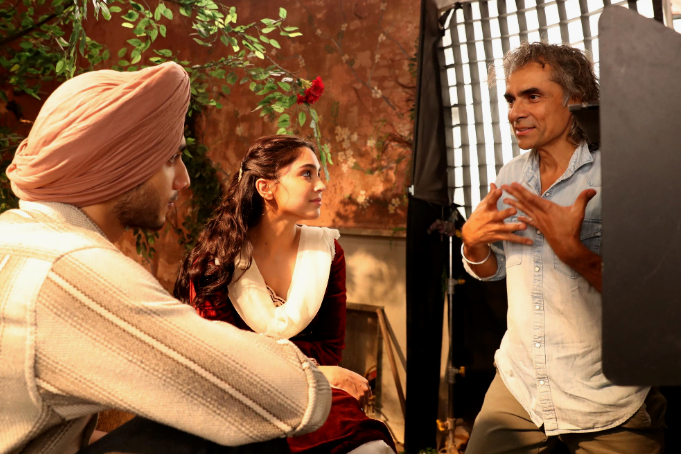
For most of the last decade, Hindi cinema has trained itself to believe that a film’s fate is decided by Sunday night. Opening day numbers have become headlines. Films are routinely declared hits or flops before audiences have even had the time to discover them. But Imtiaz Ali’s “Main Vaapas Aaunga” proved to be different.
Starring Diljit Dosanjh, Sharvari, Vedang Raina, and Naseeruddin Shah, the Partition drama arrived with strong reviews but modest box-office expectations. Its opening weekend was subdued, and many trade watchers had already moved on to newer releases. Yet instead of collapsing after release, the film began doing something increasingly rare in modern theatrical business: it grew. Word of mouth strengthened. Collections climbed through the second week. The film had transformed from a quiet release into one of the most talked-about theatrical stories of the summer.
More importantly, it reignited a conversation Bollywood has largely forgotten: what happens when audiences, rather than marketing campaigns, decide a film’s destiny?
When the Audience Becomes the Campaign
One of the most unusual aspects of “Main Vaapas Aaunga” has not been its box office trajectory but the behavior of its director. Instead of moving on after the release, Imtiaz Ali repeatedly visited theatres across cities, interacting with audiences and sharing those moments online. In an industry where most promotional campaigns end on Friday, Ali appeared determined to stay with the film as audiences discovered it.
He rejects the notion that it was a designed strategy. Ali said, “I still don’t know whether it’s a marketing strategy. I don’t know whether there is a great deal of advantage in this for the sale of tickets or not. I am just going there because I want to. This is a unique opportunity that I am getting in my life, and I don’t want to miss.”
Related Stories
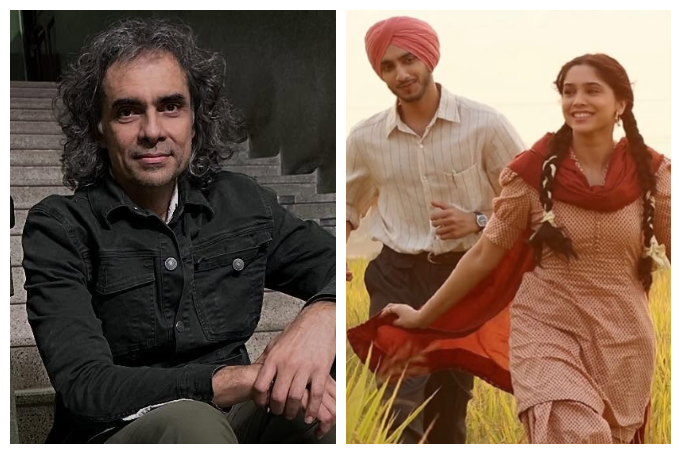
What Imtiaz Ali describes is less a marketing exercise and more a filmmaker’s curiosity. “I think it is feeding my subconscious. It is all getting stored, like the human memory remembers everything but not consciously. I am sure that when I go to write my next film, I am not going to say that, ‘Oh, you know what, that person in Pune said this, so therefore I want to make this film different’.But subconsciously I will be informed about it,” he added.
The biggest lesson, however, came from the viewers themselves. “The confidence and the absolute happiness at the fact that the audience can understand anything. Just do it well, make it well, the audience can understand anything. They are very smart,” he elaborated.
The Rare Second Weekend Surge
For exhibitors, the explanation was straightforward. Vishek Chauhan, CEO of Roopbani Cinema, believes the audience did the heavy lifting. “Initially, the film looked understated and the filmmaker’s recent box office track record was inconsistent. So for many people the question was: should I watch this film or not?”
The answer emerged organically. “But then the word of mouth started coming in, and it was fantastic. Especially in the high-end multiplexes in bigger cities, the response was phenomenal. People began recommending the film in their WhatsApp groups, family circles, social media groups and among friends. That’s what happened with this film.”
For Chauhan, this is how theatrical success has always worked. “The real player here is word of mouth. That’s how an organic hit starts. It opens slowly, then keeps growing. It’s heartening to see a film like this find its audience.”
And once that process begins, marketing can only do so much. “If the audience doesn’t connect with a film, no amount of marketing can sustain it. But when a film genuinely connects, people recommend it to friends, family and colleagues. That’s what happened here.”
Bollywood’s Forgotten Tradition
The truth is that “Main Vaapas Aaunga” is not inventing a new model. It is reminding the industry of an old one. Indian cinema’s history has many films that became phenomena because audiences discovered them gradually.
The most famous example remains Ramesh Sippy’s “Sholay.” Its legendary run was built over weeks and months rather than a record opening weekend. Similarly, Sooraj Barjatya’s “Hum Aapke Hain Koun..!” expanded through recommendations and repeat viewing. More recently, films such as Vikas Bahl’s “Queen,” Vidhu Vinod Chopra’s “12th Fail” and Vivek Agnihotri’s “The Kashmir Files” all benefited from audience-driven momentum that extended well beyond the opening weekend.
The phenomenon is not restricted to Hindi cinema. Films such as Rishab Shetty’s “Kantara” and Chandoo Mondeti’s “Karthikeya 2” demonstrated how strong audience advocacy can transform relatively modest openings into nationwide successes. What unites these films is not genre, scale or star power. It is the fact that audiences became active participants in their success.
Why Word of Mouth Still Matters
Trade analyst Taran Adarsh believes it all comes down to something simple. “Time and again, we see that it’s always emotion that drives an audience. If a film touches your heart and resonates on screen, it will work. These aren’t front-loaded blockbusters like ‘Pushpa’ or ‘Jawan’ that shatter the box office on day one. They might lack immediate face value or a hit song, but they grow gradually.”
Popular on Variety
In today’s world, recommendations simply travel through different channels. “Today, word of mouth is crucial; it spreads through texts, WhatsApp statuses, and reels. It can boomerang badly on day one, but when it works, it performs miracles on subsequent days.” Akkshhay Rathie echoes the sentiment. “Word of mouth and reception to the film for its entertainment values, always, always the top driver for a film’s business. There are enough examples of this. Nothing matters more than entertainment, engagement value and the word of mouth that it really drives.”
A Lesson for an Industry Obsessed With Openings
Few people have been more vocal about the film’s theatrical journey than filmmaker Anurag Kashyap. Watching Ali move from screening to screening left a lasting impression on him. “It’s incredible to see him travel from city to city, show to show and thanking and connecting with the audience relentlessly. There is a lesson there for all filmmakers.”
What excites him is how naturally the film has traveled. “That’s why it’s important for films to be sustained in theatres long enough for word of mouth to travel. Word-of-mouth films are what sustain cinema. That’s how it used to work. Today, everything is judged by the opening. ‘Main Vaapas Aaunga’ proving the trade wrong, proving that opening numbers aren’t the only story, is healthy for filmmaking and for cinema culture. What’s even more exciting is that it’s bringing an entirely new audience into theatres, people who otherwise don’t go to the movies very often.”
Anurag Kashyap believes the industry’s fixation on immediate results has obscured how cinema culture historically functioned. He says there is something for every filmmaker to learn from how Imtiaz Ali made sure he stepped out and stood at ground zero to meet the audience and form a bond.
For years, filmmakers, exhibitors and distributors have worried that audiences no longer have patience. That films either explode immediately or disappear. That theatrical culture has become too dependent on opening-day hype. In an age of instant verdicts, “Main Vaapas Aaunga” has become a reminder that some films are not meant to peak on Friday. They are meant to grow, travel and linger. Just like the stories we remember most.
(With inputs from Adit Ganguly)












Comments are moderated. They may be edited for clarity and reprinting in whole or in part in Variety publications.