



Aug 04, 2026 1:06pm IST
Christopher Nolan’s ‘The Odyssey’: How A 2800-Year-Old Poem Went On To Become 2026’s Biggest Blockbuster
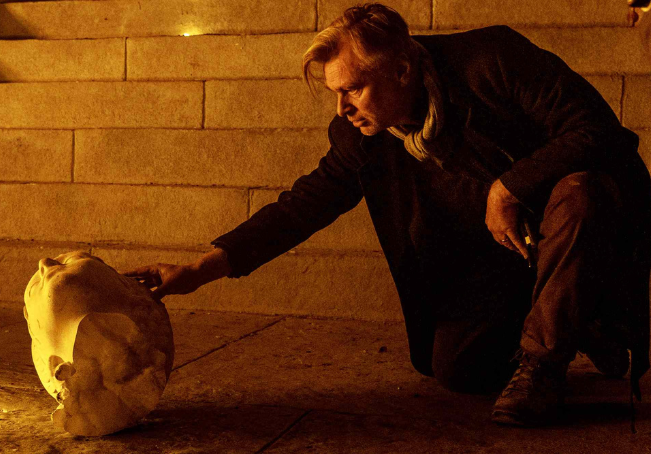
The biggest cinematic phenomenon of 2026 did not come from a multi-billion dollar studio acquisition, a comic book multiverse, or a toy line reboot. Instead, it originated from a story composed roughly 2,800 years ago by a legendary Greek poet whose very existence remains a matter of scholarly debate. Christopher Nolan’s adaptation of Homer’s ancient epic, “The Odyssey”, has obliterated modern box office expectations while costing Universal Pictures exactly zero dollars in licensing fees.
In less than two weeks, the historical epic sped past $330 million domestically and surged past $700 million globally, outstripping the entire domestic run of Nolan’s Oscar-winning “Oppenheimer” in a fraction of the time. The numbers show a stark dynamic. While Warner Bros saw its initial slate of releases this year (Wuthering Heights, The Bride!, They Will Kill You, The Mummy, Mortal Kombat II, Supergirl, and Evil Dead Burn) generate a combined $622.6 million, a single director with an unencumbered ancient story handily outperformed an entire major studio's lineup.
Related Stories
Mythic Lore and 2,800 Years of Free Pre-Awareness
Long before Hollywood executives coined terms like pre-awareness and IP valuation, ancient Greeks gathered around fires to hear the tale of Odysseus. Homer’s epic narrative follows the cunning king of Ithaca on his agonizing ten-year journey home after the fall of Troy. Beset by wrathful gods, sea monsters, seductive nymphs and terrifying mythical beasts, Odysseus relies on pure human grit and strategy to reunite with his wife Penelope and son Telemachus.
For over a decade, giant studios spent astronomical sums securing intellectual property. Disney famously shelled out $4 billion for Lucasfilm and another $4 billion for Marvel to de-risk their movie slates through instant audience recognition. Yet Homer offers something far grander than a superhero universe. Millions of high school and university students are assigned “The Odyssey” every single year across the globe. That gives the tale nearly three millennia of built-in culture, brand identity and worldwide recognition. Nolan recognized that the deepest narrative moat in entertainment history was sitting right in the public domain, entirely free for the taking.
What Marvel and Disney Got Wrong That Nolan Got Right
For the past fifteen years, major studios operated under the belief that continuous cinematic universes, post-credit teases and endless nostalgia call-backs were essential for box office success. However, audience fatigue set in when storytelling took a back seat to franchise maintenance. Modern cinematic universes often feel like serialized television delivered in two-hour theatrical installments, where individual movies serve merely as setup for the next project.
Nolan flipped this corporate philosophy on its head. He understood that moviegoers do not want endless setups; they want self-contained, high-stakes cinematic events with actual emotional weight and grand artistic vision. Rather than watering down the narrative to build a cinematic universe, Nolan treated Homer's text with grand respect. He focused on singular directorial vision, narrative urgency and genuine scale. While corporate Hollywood spent years trying to manufacture artificial lore, Nolan tapped into foundational mythic storytelling that has already stood the test of time.
The IMAX Scarcity Engine
Beyond securing a timeless narrative, Nolan solved another massive crisis plaguing modern cinema: the loss of the theatrical window. As studios spent half a decade training audiences to wait a few weeks until movies landed on streaming platforms, cinema attendance suffered. Nolan countered this trend by building an experience that viewers physically cannot replicate in their living rooms.
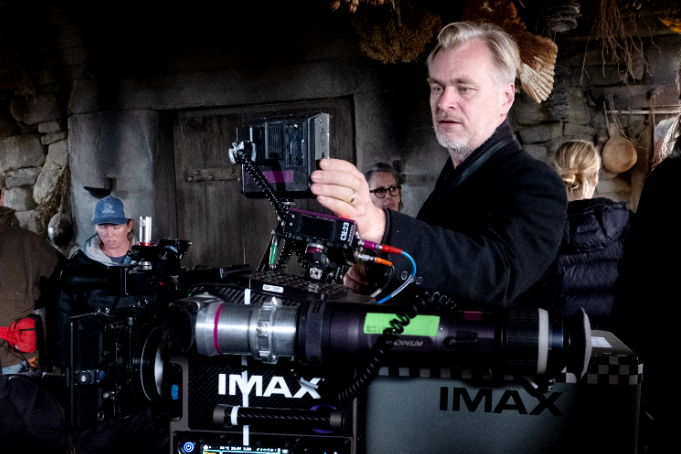
Continuing his lifelong obsession with the format, Nolan shot “The Odyssey” entirely on 15-perforation 70mm IMAX cameras. He treats the gigantic camera apparatus not as a gimmick, but as the ultimate medium for immersion, scale and raw dynamic range. From the churning, violent waves of Poseidon's ocean to intimate, sweat-stained character close-ups, every frame demands a screen four stories high. By monopolizing premium large-format screens and creating a genuine fear of missing out, Nolan turned going to the theater into an essential cultural event. IMAX showtimes remain sold out months in advance, proving that when a director offers an unmissable theatrical event, audiences will line up around the block.
The Dawn of a New Blockbuster Era
Ultimately, the unprecedented success of “The Odyssey” signals a profound turning point for the future of filmmaking. By proving that an ancient narrative free of licensing costs can outperform bloated multi-billion-dollar franchises, Christopher Nolan has exposed the limits of corporate Hollywood's reliance on manufactured IP. Audiences do not need infinite sequels or interconnected universes; they crave original artistic ambition, authentic visual craftsmanship and stories that resonate across generations. As studios re-evaluate their costly playbooks in the wake of this historic run, Nolan’s triumph proves that the most powerful box office force is not corporate synergy, but the timeless magic of true cinematic grandeur.








Comments are moderated. They may be edited for clarity and reprinting in whole or in part in Variety publications.