



Jun 21, 2026 2:00pm IST
A.R. Rahman On Asha Bhosle’s Timeless Legacy, AI, And The Songs That Outlive Trends (EXCLUSIVE)
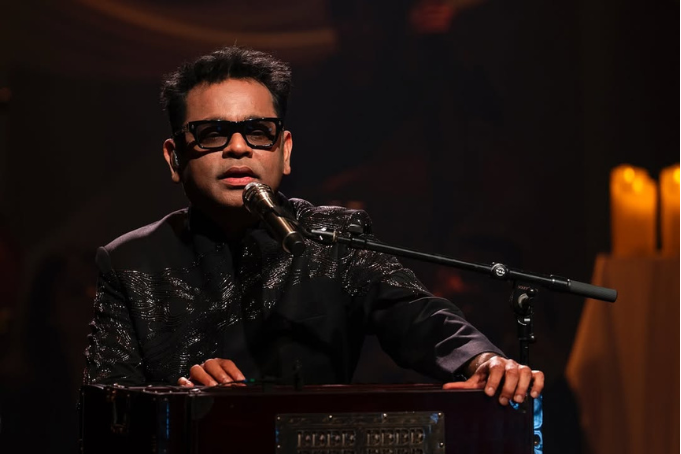
For over three decades, A.R. Rahman has existed at the intersection of memory and reinvention. He is the composer who changed the sound of Indian cinema with “Roja,” the artist who carried Indian music to the global stage with Academy Awards and international collaborations, and a musician who continues to search for new sounds without losing sight of the emotion at the heart of every melody.
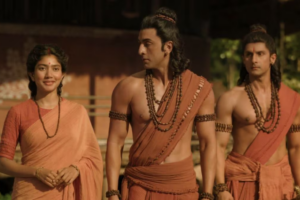
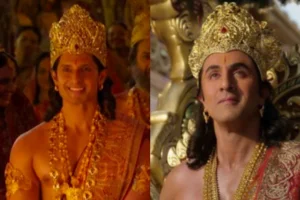
Even today, Rahman’s canvas remains as expansive as ever. Alongside projects such as “Main Vaapas Aaunga” and “Batwara 1947,” he is also composing the music for Nitesh Tiwari’s ambitious adaptation of “Ramayana,” where he is collaborating with Academy Award-winning composer Hans Zimmer. Yet, for an artist whose music has often been defined by innovation, one of his latest creative moments is also a tribute to legacy.
His recent collaboration with the legendary late Asha Bhosle is a celebration of a voice that has travelled across generations and continues to remain inseparable from the emotional memory of Indian music. Rahman who is set to release an independent track he collaborated with Bhosle on, talks to Variety India exclusively about the same. What is probably the iconic singer's last song, Rahman calls her the guiding force.
“Asha ji’s voice has been one of the greatest gifts to Indian and global music. She has been a major influence and guiding force to me, so when we were collaborating on the song, we wanted to make it about her remarkable legacy and a celebration of her voice. She was certain that the song had to be fun and energetic, and we would keep trying different things.
“I feel fortunate that we were able to create this together. Even when we were recording this, the energy and warmth she brought to it was amazing. That’s the spirit that makes her truly timeless. Some voices never leave us, and Asha ji’s will continue to live in our hearts forever.”
On the occasion of World Music Day, he also spoke about the changing relationship between audiences and music, the human emotions behind historical stories, the importance of nurturing fresh voices, the role of silence in composition and why technology can never replace the soul of creativity.
Related Stories
The Way To Heart
The way audiences engage with music has transformed dramatically from the era of cassettes and CDs to an age of streaming platforms and infinite choice. But for Rahman, the essence of a timeless song remains unchanged.
“If a song has the emotion it will always find place in the heart. Human emotions have not changed. A person today can still hear a song at the right moment in life and carry it forever.
“Today music has faster access and more songs are released than before, but if the song carries honesty and truth, it will survive beyond just being a trend.”
The Same Curiosity That Began With “Roja”
When Mani Ratnam’s “Roja” arrived in 1992, it did not simply introduce a new composer; it marked a shift in the sonic language of Indian cinema. More than three decades later, Rahman says the curiosity that drove him then remains untouched.
“For me every new film and project feels fresh. Unless I am not happy with a song myself, I don’t release it or share it, because if I am not satisfied with my work then I cannot expect others to like it.
“I approach each of my work with the same curiosity be it Roja or Main Vaapas Aaunga or my international projects, each of them deserve the same time and heart. Sometimes people connect with a song or score instantly and there are times when years later they discover the song and connect with it then, but the emotion behind it has been the same.”
Giving Music To Memories Of Partition
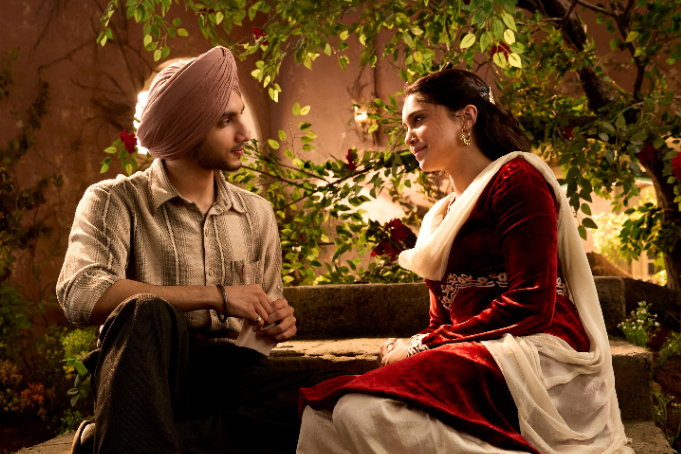
With “Main Vaapas Aaunga” and “Batwara 1947,” Rahman returns to stories shaped by the Partition of India, a chapter marked by unimaginable loss but also memories of love, friendship and belonging that endured beyond borders.
For Rahman, the task is not to compose for history itself, but for the people who lived through it.
“I am fortunate to work with filmmakers who explain and create the world the way they are seeing it. A lot comes from the directors vision, what they see in the story and the emotions they want the audience to carry become the backbone of what the music then has to communicate.
“So when I approach a story like this, I don’t try to compose for the historical event itself, I compose for the human emotions within it. A mother’s longing, a friend’s separation, a shared memory of home. Those feelings are timeless. If the music can capture that humanity, it allows us to remember not only what was broken, but also what survived.”
Making The Way
From introducing unfamiliar voices to redefining what a film soundtrack could sound like, Rahman has repeatedly placed faith in emerging talent. “Main Vaapas Aaunga” itself features several new voices, continuing a philosophy shaped by his own beginnings.
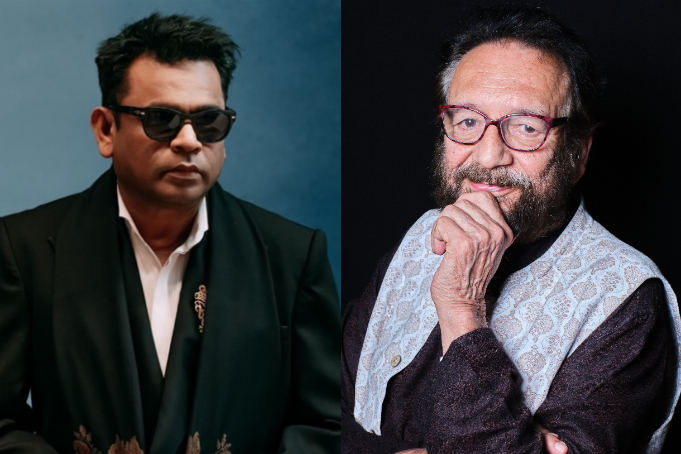
“I think each generation has the responsibility to create space for the next one. Mani sir trusted me with Roja at a time when I had only done jingles. That kind of faith can change a person’s life.
“So when I hear a fresh voice or discover a young musician with something unique, I remember those opportunities I received. Familiarity becomes boring beyond a point, everyone is looking for what’s new, what’s next and then newer talent brings fresh perspectives, new influences and energy that keeps music evolving. So I try and balance both.”
The Music Between The Notes
Some of Rahman’s most unforgettable compositions are defined as much by silence as they are by sound. For him, pauses are not empty spaces but moments where music breathes.
“Silence in music is equally powerful. Before every moment or music piece there is a moment of listening and moment of silence. It is about breathing, feeling, restraint and anticipation.
“There’s so much happening all around, it is important to just be able to be still for sometime and take note of the world around you.”
“It Is Not Humans Versus Technology”
Few composers have embraced technology as fearlessly as Rahman, from the digital revolution that transformed Indian film music in the 1990s to the possibilities of artificial intelligence today. However, he believes technology must remain a tool, not a replacement for human expression.
“Any form of technology helps us push our creative boundaries, but it cannot replace creativity itself. It learns from the environment we have built, it continues to learn from our shared experiences.
“When synthesizers arrived, people were worried. When digital recording came in again people were concerned. But these tools gave artists new ways to express themselves. I see AI in a similar way. It can help musicians experiment, learn, and work more efficiently, but it cannot replace the heart of it all, the human emotion.
“It is not about humans versus technology, it’s about how the two can work together to create something meaningful.”
Popular on Variety
A Journey Still Guided By Inspiration
After a career that has earned him the highest honours in music, Rahman says his relationship with art is not driven by the idea of finding something missing, but by remaining open to inspiration wherever it may come from.
“I don’t think it is about searching for something. It is about being inspired by something. It could be anything, a story, an idea, a sound, a prayer or like you mentioned silence itself.
“Music has the power to bring people together across geographies, so I am always looking at how the music we create can do that and show the world the power of our music.”
For a composer who has spent more than thirty years proving that music can transcend language, geography and time, perhaps that remains A.R. Rahman’s greatest pursuit: not the search for a new destination, but the willingness to keep listening to the world with the curiosity of a beginner.







Comments are moderated. They may be edited for clarity and reprinting in whole or in part in Variety publications.