



Aug 29, 2026 8:00pm IST
Yash Soni on Breaking His Softboy Image with “Maaran,” Reuniting with Janki Bodiwala and the Changing Face of Gujarati Cinema (EXCLUSIVE)
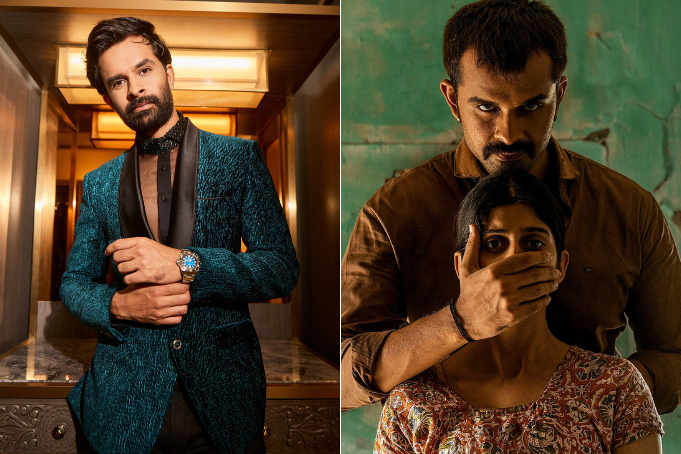
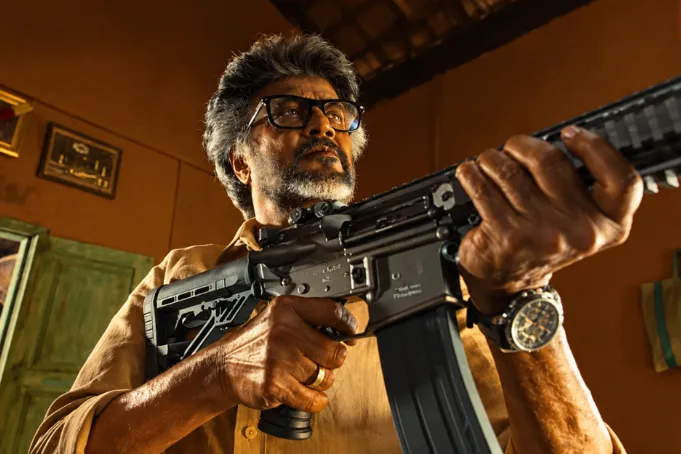
Gujarati cinema is having another moment in the sun with the National Award-winning film “Maaran,” a thriller about gender violence and trafficking, starring Yash Soni and Deeksha Joshi. Despite the genre following in the footsteps of “Vash,” it still comes as a surprise from an industry that favors comedies, romances and family films. In an exclusive chat with Variety India, Soni sheds light on his villainous turn as Ratan in the film, the progress of the Gujarati film industry over the past decade, and his upcoming projects.
Excerpts:
You usually play the soft, romantic lead. How did you tap into Ratan, who is an oppressor and a misogynist, for ‘Maaran’?
We shot “Maaran” four years ago, right after “Fakt Mahilao Maate” (2022), a feminist story. Deeksha [Joshi] and I went from playing romantic leads to a toxic, abusive couple. As an actor, that shift was interesting, considering the roles I’ve done. With “Maaran,” I didn't know anything about the world that Ratan inhabits. I had never researched so deeply before. It was also the kind of script that scares you a little when you read it and makes you wonder, “Will I even be able to do this?” The best compliment for me would be if the audience doesn’t recognize me in a film.
Related Stories
Earlier, Gujarati cinema had male-centric comedies and stories set in villages. Now, more films champion women’s stories and have urban settings. Is this a conscious shift?
The Gujarati film industry is going through a transition period. It is more about telling important stories than those of a particular gender. “Maaran” was born of a question. The director was traveling from Mumbai to Ahmedabad and saw a husband beating his wife in the middle of the road. When he tried to intervene, the woman told him to let her husband go! When he told us the story, we all had questions about why she was still with him even when she had the physical freedom to leave. We wanted to raise those questions and try to find an answer through our film.
Is there a struggle for regional films to get screens today?
It depends on what kind of film it is and its target audience. Some of my films have gotten record-breaking releases for a Gujarati film. At the same time, “Maaran” didn't get as many shows because it is not the kind of film whose first-day collection you can announce on social media. The makers and actors always know what bracket their film falls under and what kind of release it will ultimately get.
Has Gujarati cinema started to get its due?
The upward trend has begun, but there’s a long way to go. “Laalo” did wonders at the box office for us. We now know there’s an audience we can reach. It’s all about figuring out how to do that. At the same time, we aren’t exploring genres the way we should.
Will we ever get a truly pan-India film from the Gujarati film industry?
There’s a long way to go. But I hope that one day, just like South cinema gets pan-India releases with dubbing, Gujarati films also release across the country. We are working in that direction.
Popular on Variety
What can Gujarati cinema learn from Marathi or other regional industries?
We need to gather the experience that the Marathi and South Indian film industries have. The Gujarati film industry is relatively younger. When “Kevi Rite Jaish” (2012) came, there was no major release until “Bey Yaar” (2014). Then, it was a year or so before a notable Gujarati film like “Gujjubhai The Great” (2015) arrived. Only after “Chhello Divas” (2015) did investors begin consistently betting on Gujarati films, and we started making films that got noticed.
In terms of film promotions and execution, we’re still not quite there yet. It is changing with every film, but it’s all based on a mere decade of consistent industry output. So gaining that experience of making films is very crucial right now. That being said, if just from the past 10 years of experience, we’re making films that are garnering ₹100 crore and are getting remade in Hindi, like “Vash” was remade into “Shaitaan,” then I feel we’re keeping a good pace.
You’re reuniting with your ‘Naadi Dosh’ co-star, Janki Bodiwala, in ‘Goldhana.’ What can fans expect from that and your upcoming projects?
My next film is “Kadak Karyavaahi,” a vigilante thriller from the makers of “Hellaro.” After that is “Goldhana, a romantic comedy. Janki and I are coming together after almost seven years because we had been waiting for a good script. We finally agreed on “Goldhana” because fans love our chemistry and we wanted to make sure we meet their expectations.





Comments are moderated. They may be edited for clarity and reprinting in whole or in part in Variety publications.