



Oct 07, 2026 10:00pm IST
‘Carrie’ Director Mike Flanagan on What Convinced Him and Author Stephen King to Adapt It For A Crueler World
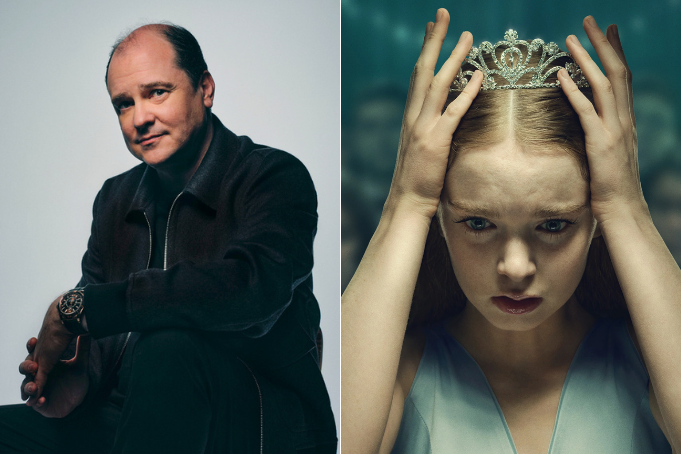
“Carrie,” Stephen King’s 1974 debut, which ushered in a new era of horror writing, has seen its fair share of adaptations, the latest being Prime Video’s eight-episode miniseries. But any question about why another adaptation is needed is dispelled when its creator is Mike Flanagan, ace horror director of “The Haunting of Hill House” and “Midnight Mass,” who puts his own spin on a classic tale about cruelty versus kindness.
Flanagan’s “Carrie” stars Canadian actress Summer H. Howell as the titular teenage girl, Carrie White, who, after never leaving her home for all her life, finally steps out into the world. At high school, she unlocks her telekinesis powers after a horrific incident of bullying. But even as she learns to control her powers, a much bigger humiliation awaits her, which puts not just her peers and teachers, but the entire city that’s unaware of her powers, at risk.
Recalling his own first encounter with “Carrie” in his early teen years, Flanagan reveals, “I remember how struck I was at just how lean the book is. I had started with Stephen King’s larger novels, ‘The Stand’, ‘Salem’s Lot’ and ‘It.’ ‘Carrie’ felt like a fastball. It contained all the seeds of the author that Stephen grows into and becomes as his writing evolves, as this was his first published novel.”
Related Stories
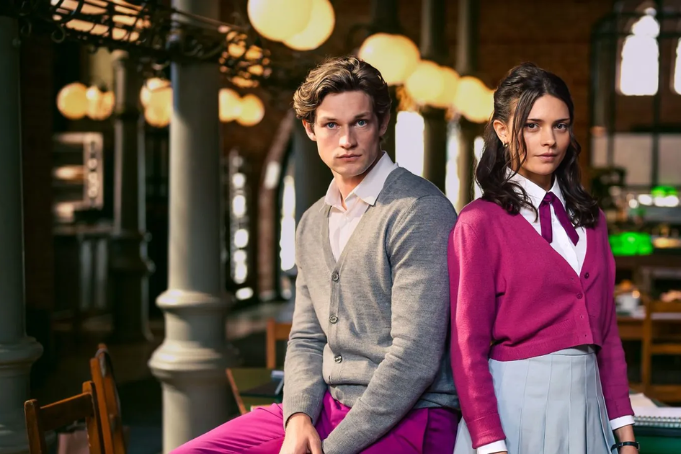
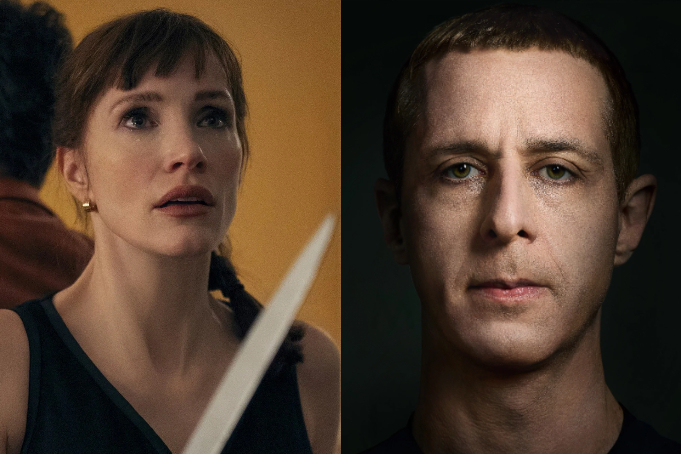
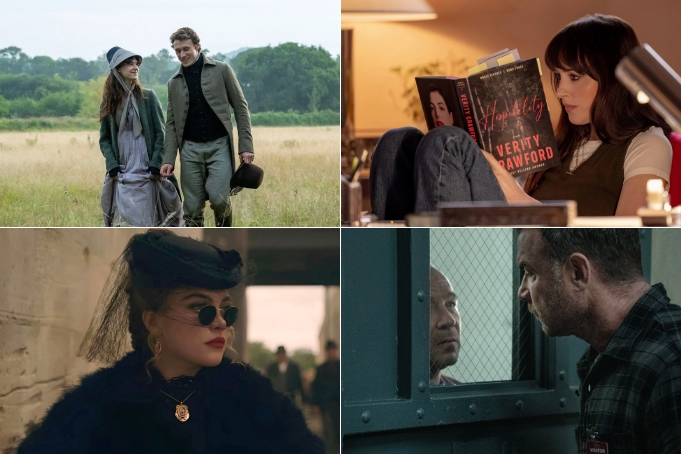
Between being the readers’ introduction to King’s works, multiple film adaptations, a musical and several popular teen dramas like “Riverdale” referencing it, “Carrie” has always seen more love and acceptance in pop culture than its protagonist ever did in her high school years.
Surprisingly, both Flanagan and King weren’t convinced about a new adaptation at first. “When Amazon first approached me, I wasn’t sure there was a reason to revisit this story. I thought it had been adapted beautifully, but there was something that wouldn’t leave me alone; it was really the amazing degree of relevance that so much of the story has in the modern world that Stephen and Brian De Palma couldn’t have contemplated 50 years ago. It felt like an opportunity to do something new in the universe Stephen had created and explore versions of the character that never existed before. I wanted to do a unique adaptation; I was thrilled when Stephen agreed, after I showed him what I was thinking. I’m so glad it did stick with me because of all the projects I’ve been involved in, this has turned into one of my favorites.”
And Flanagan does walk the talk by updating the original story for a generation that is ruled by their phones, a world that lacks empathy and enjoys trolling and a harsh reality where school shootings are the norm and mock drills are mandatory practice. Suddenly, Carrie’s introduction to the outside world feels much more jarring, and her anger at her mother for keeping her in the dark is even more heightened.
“Just doing a period piece adaptation would have felt like re-reading,” Flanagan explains. “This wasn’t about nostalgia and doing something again. It was about speaking to the unique experience of teens today, told through a new version of Stephen’s characters. Today, kids deal with a level of anxiety at school that I couldn’t have contemplated when I was growing up. The horror of being a teen today is so different from 1976; this was a wonderful opportunity to explore that.”
Elaborating on what sets apart his Carrie from previous iterations, Flanagan says, “It was critical to all of us that our Carrie White was a character we hadn’t met before. So often before, she was defined and introduced in a state of trauma and one of intense, clenched fear of being in the world. Our Carrie was the opposite; she was open to the world, earnest, curious and untraumatized; and then we let that heart experience the realities of modern teenagerhood.”
Popular on Variety
What’s more, the eight-episode long format allowed Flanagan to explore not just Carrie but other characters like Carrie’s mother, Margaret, and her schoolmates Chris and Sue with more nuance, while also introducing a few interesting updates to not just the bullying campaign mounted against Carrie by Chris using social media but also to the overall lore behind Carrie’s powers.
“In the source material, Chris exists simply as a tormentor of Carrie. I wasn’t interested in a version of Chris that was a monster. I wanted to know why people are prone to bullying behavior and what circumstances in the lives of today’s youth can lead them down a path where they let go of empathy. Contrasting those experiences is always part of the real fun of the writers’ room. Instead of labelling them from the start. I wanted to give both characters a full and deep arc that led them, inevitably, into the tragic events of the series.”
For fans wondering if Stephen King was on board with this rebuilding of his written world, this isn’t Flanagan’s first rodeo. He clearly enjoys his collaborations with the writer, who is also executive producer on the series. In fact, “Carrie” marks Flanagan’s fourth adaptation of King’s work, after “Gerald’s Game,” “Doctor Sleep,” and “The Life of Chuck,” with two more projects in development — a multi-format franchise with Amazon based on King’s “The Dark Tower” novels and a film adaptation of the novella, “The Mist,” at Warner Bros.
“As a fan of Stephen’s, working with him is always exciting. He is involved in the casting and script, has so many approvals along the way, but he also goes out of his way to give filmmakers freedom when they are adapting. He says the book is the book and the film is the film and he stays out of your way. He wants you to make your version of the story. But one of the great privileges of my career is that he’s trusted me so many times to play in his sandbox, with his toys, and I look forward to much more of that. It’s been my privilege to have worked with him four times, and we have other future things happening together, too.”
Finally, when asked what he hopes the audience takes away from his “Carrie,” the director underlines the core theme of empathy once more. “I feel like we live in a time where the question of empathy vs. cruelty has never been more relevant or more impactful when it comes to shaping the world that we live in. I think we are wrestling with this globally: That we must choose between empathy and cruelty, and those decisions have sweeping and lasting generational consequences. We’ve positioned a story like this in the middle of a conversation that has never been more important as a parent and a citizen of the world. I hope people can see the demonstration of kindness in each other, and the tragedy that is inevitable if we don’t reach each other with empathy and kindness. We have a lot to learn from Carrie White, 50 years later. I’m hoping people come away with this with a renewed interest in being kind,” Flanagan signs off.
"Carrie" is currently streaming on Prime Video.





Comments are moderated. They may be edited for clarity and reprinting in whole or in part in Variety publications.