



Sep 10, 2026 2:21pm IST
‘The Natural State’ Review: Decoding India’s Fiercest Anti-Guru U. G. Krishnamurti
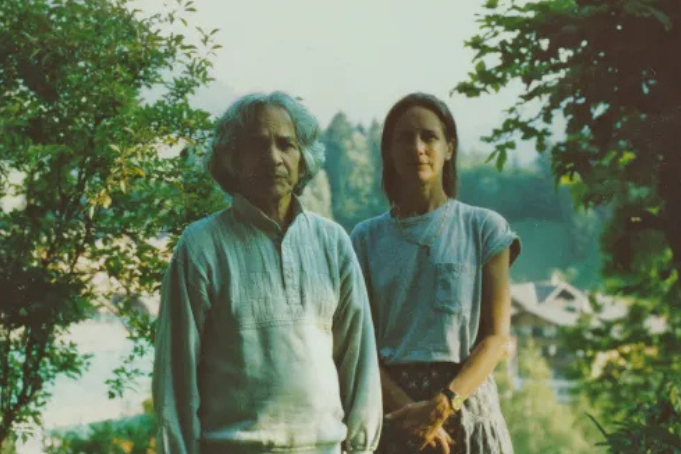
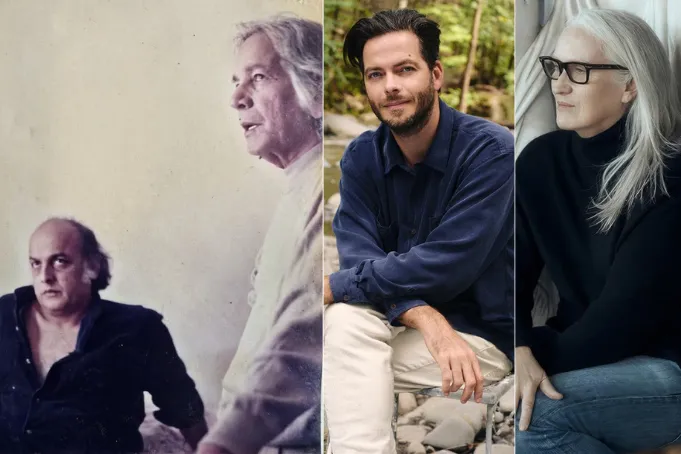
Matthew Dougherty’s Jane Campion and Mahesh Bhatt-produced documentary “The Natural State” offers more than a glimpse into the chaotic life of U.G. Krishnamurti, India’s most radical anti-guru. Fresh off its premiere at the Telluride Film Festival, this electrifying 100-minute ride pulls back the curtain on the godman archetype to show you the good, the bad and the downright ugly. Built from long-lost 1989 footage shot in the Swiss Alps by wealthy New Yorker Julie Thayer, the film captures her spiraling obsession as U.G. systematically dismantles her ego, dragging her from pure ecstasy straight to the brink of psychological ruin.
Related Stories
What makes this study of a so-called godman so utterly magnetic is how raw it dares to be. The viewer instantly understands why seekers flocked to him like a moth to a flame, yet the film refuses to sugarcoat anything. Even through the lens of someone deeply enraptured by him, U. G. emerges in full clarity. Dubbed a cosmic terrorist by his critics, he lived with bizarre minimalism, sleeping in tiny rooms and washing his own clothes while followers crossed oceans chasing spiritual liberation. What they found was a brick wall. U. G. was brutally confrontational. He pulverized their cherished beliefs and blasted their egos into fine dust, promising them absolutely nothing. Yet strangely, his paradoxical aura left disciples experiencing bizarre physical vibrations and lingering tingling sensations for hours.
The film truly soars when dissecting his deeply strange rivalry with Jiddu Krishnamurti. Early in life, U. G. was hopelessly obsessed with J. Krishnamurti, devouring his books and shadowing his lectures. This bred a lifelong narrative shadow war, leaving confused spiritual tourists agonizing over which thinker to follow while both men trailed each other through identical cities and Swiss mountain retreats. But U. G. took a far more radical exit ramp. After a mysterious physical trauma left him with swellings across his skull, his ego dissolved entirely. He completely discarded the myth of the perfect human, championing instead the terrifying beauty of the raw, unconditioned individual.
At its core, the narrative is an uncompromising examination of choices and their collateral damage. U. G.’s path left behind a trail of absolute family turmoil. We watch the lingering ache in his daughters, raised in the shadow of a father who lit a fire to his domestic life and simply walked away, leaving a wife who died shortly after. When he eventually returns to India to see them, the encounter is chillingly one-sided. He sits in eerie tranquility, entirely immune to familial affection. Strangers and daughters were identical to him, yet remarkably, his daughters speak on camera with stunning grace, revealing what made the man tick without harboring bitterness.
Director Matthew Dougherty leans heavily into these razor-sharp psychological dynamics, especially the quiet jealousy brewing between Julie and U. G.’s long-term companion, Valentine. Julie’s desperate search for external validation makes for thrilling viewing. She craves him completely, even while confessing that he does not affirm her reality so much as obliterate it.
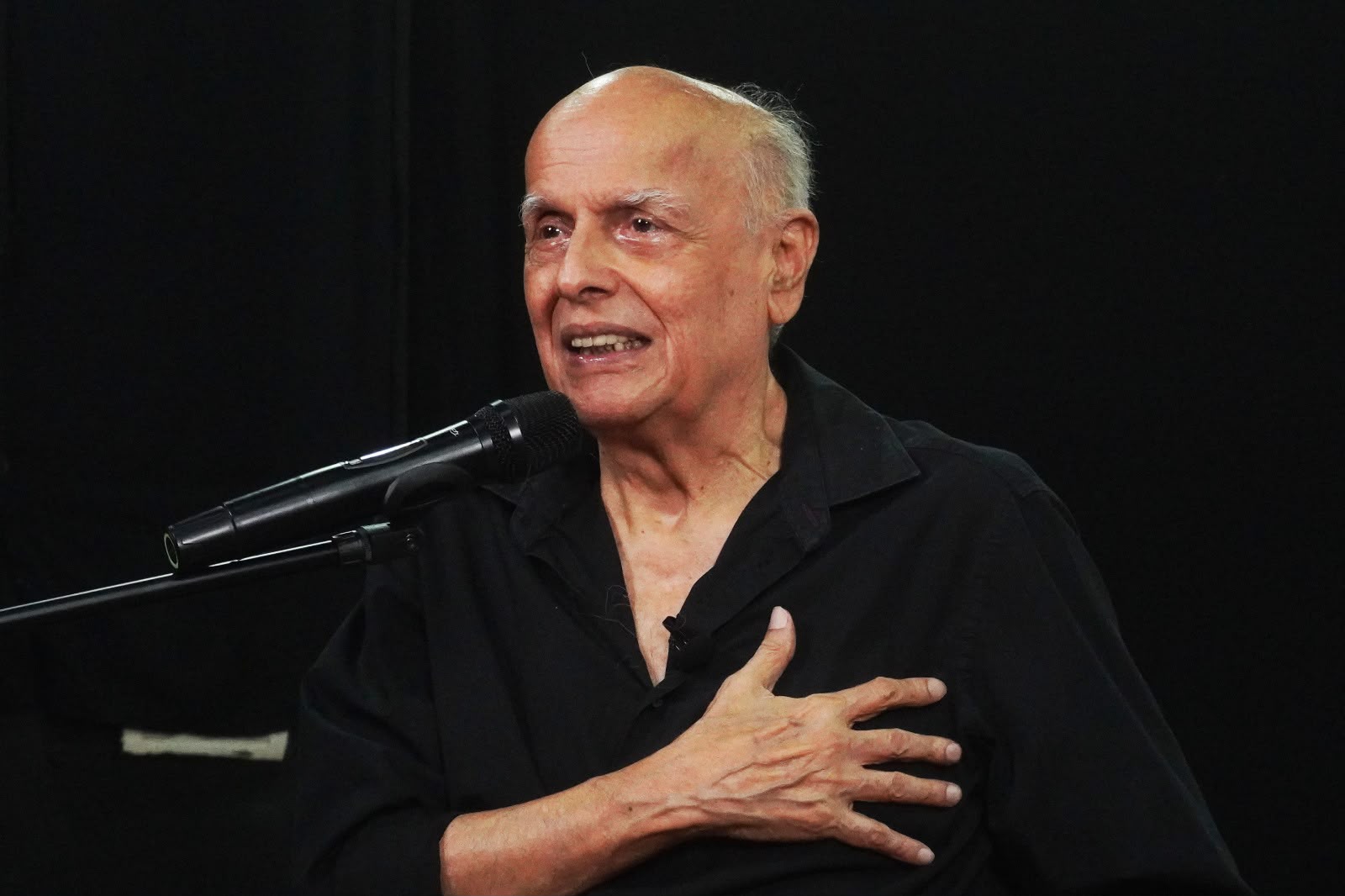
There will be many people amongst the audience who would have absolutely no idea who this person is. So the documentary gets two things right. It tells you what you need to know, and second, which is most important when you do not know anything about a topic, it does not get lengthy and preachy. At around 1 hour 40 minutes, it is well timed. Featuring appearances from personalities like director Mahesh Bhatt, the narrative forces us to confront fundamental questions about fear, ego, and human consciousness. Was he an anti-philosophical cynic or something far deeper? By the time birds gather at his window before his final days, viewers are left to decide for themselves. The film leaves an indelible mark, delivering a brisk, unflinching portrait of a non-guru who tore down every altar in sight.











Comments are moderated. They may be edited for clarity and reprinting in whole or in part in Variety publications.