Oct 24, 2026 6:00pm IST

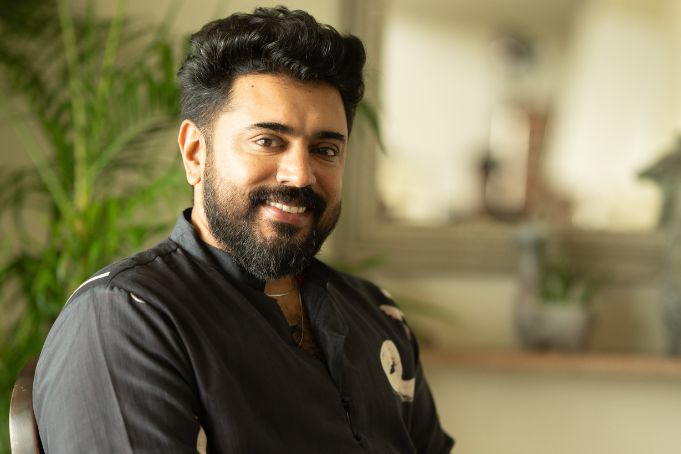
Nivin Pauly on the Mega Success of ‘Bethlehem Kudumba Unit’: ‘This is My Biggest Hit So Far’ (EXCLUSIVE)
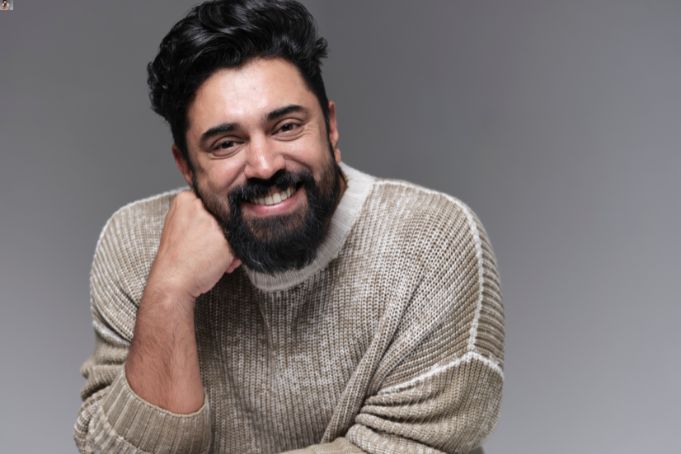
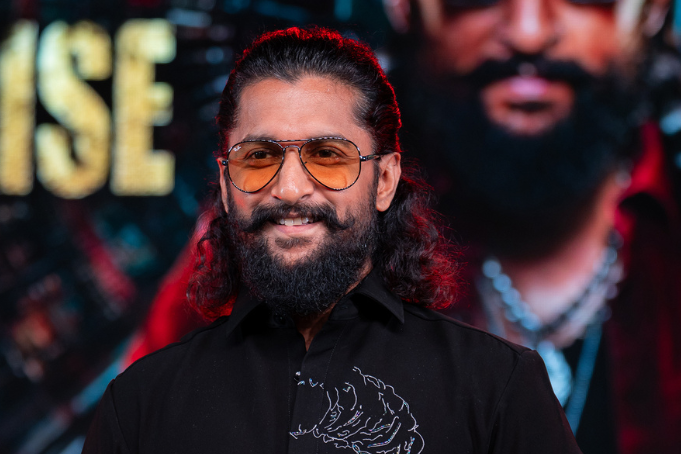
Malayalam actor Nivin Pauly is the star of the moment.  His film, “Bethlehem Kudumba Unit” grossed ₹312.40 crore worldwide making it Malayalam cinema’s biggest box-office hit. The film directed by Girish AD and co-starring Mamitha Baiju is being hailed as the ultimate comfort movie and sensitively explores the age-gap romance between the two stars. Nivin Pauly, who made his acting debut with “Malarvaadi Arts Club” in 2010 quickly become a star with the success of “Thattathin Marayathu” in 2012. The actor who has largely been appreciated for his ‘boy next door’ vibe in films like “Neram” (2013) to “Ohm Shanthi Oshaana” (2014) has also experimented with a political satire like “Sakhavu” (2017) and the epic “Kayamkulam Kochunni” (2018), which grossed ₹100 crore worldwide. He repeated this success again with “Sarvam Maya” which grossed ₹150 crore worldwide in 2025.

Pauly who has seen both the highs and lows in his 16-year- long career, has a more muted reaction to his recent success. In an exclusive interview with Variety India, the actor traces his journey from his early days, highlighting what his failures have taught him and analyzing the popularity of Malayalam cinema and more.

‘Bethlehem Kudumba Unit’ is a huge hit,  crossing over ₹300 crore worldwide. How is that feeling?
It feels great. One of our films has finally done very well at the box-office and broken records, and it’s a wonderful feeling. We knew it was a clean, feel-good film with comedy, romance, relatable characters and a familiar setting, but the response has gone far beyond what we imagined. I see it as a gift from the Malayalam audience to viewers around the world.
When Girish first pitched the script, did you sense that this kind of small-town humor could lead to such a major theatrical resurgence?
No. People often assume that a film needs a huge budget, big sets, foreign locations, and a grand scale to break box-office records. This simple film has done that and I think it surprised everyone, including us. The truth is that when a film connects with people emotionally and is made with sincerity and honesty, audiences respond. They want something they can relate to—something that helps them relax and disconnect from stress for a few hours. The biggest compliment I received was that the film took away people’s stress for three hours.
The film also explores an unconventional age-gap romance. As actors, how did Mamitha and you shape that emotional dynamic?
Mamitha and I have been good friends for years, so we already knew each other well. We used to talk about our dreams, cinema, family, scripts, and career choices. If she had doubts about a script or a film, she would call me and I would share advice from my experience. Because of that friendship, we did not approach the relationship in the film as two people separated by age. We approached it as two close friends working together, and that comfort helped the dynamic feel natural.
Recently, you spoke about film sets being male-dominated and emphasized the need for men to help create a comfortable, safe environment for female colleagues. What do you think the industry needs to improve its workplace culture, especially for women?
Most film sets are also overwhelmingly male—often 95% or more—while female actors, makeup artists, hairstylists, and other women may be few in number. In that environment, especially during a 60- or 70-day shoot, it is essential to ensure they feel comfortable and safe. That means ensuring proper facilities, comfortable rooms, safe travel arrangements, and thoughtful production support—such as having someone from production accompany them during late-night travel. When I produce a film, I make sure these things are taken care of. It comes from the heart; it is not something I do for show.
 
You have firmly refused to perform songs with vulgar lyrics, even earlier in your career. Where does that strength of character and ability to stand up against what feels wrong come from?
I do not know whether it comes from my mother, my wife, or simply the way my mind works. I do not enjoy vulgar songs, and they do not connect with me. If I am asked to do something like that, I refuse clearly. A love story is fine, but I do not want to perform something that feels cheap or unlike me. I have even told makers that they can recast the role, but I will not do it.
 
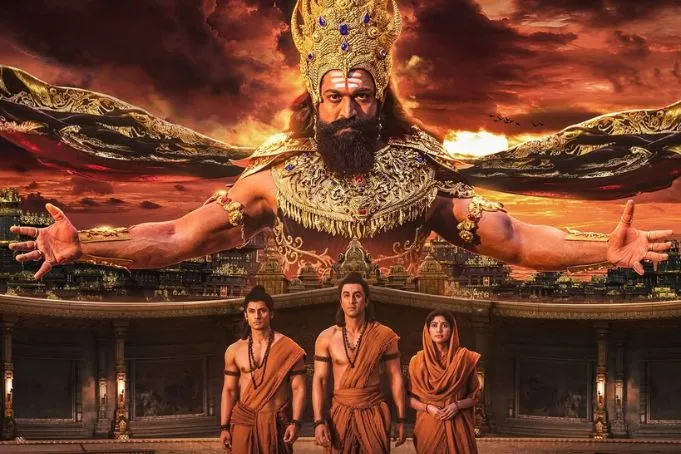
You are now officially part of the Lokesh Cinematic Universe. How does it feel to step into an antagonistic role, when audiences associate you with relaxed romantic characters?
It is always good to surprise the audience. After doing two back-to-back feel-good romantic comedies, it felt like the right time to offer something different. Playing an antagonist will surprise them. The film is big in scale, with large sets and high-quality production, and I hope it does well. Although the villain is dark and cruel, he also has a touch of dark humour, which made the role exciting to explore.
 
You have just welcomed Rukmini Vasanth to the sets of your new romantic comedy, ‘NP51.’ What can fans expect from this pairing?
We have only met for three or four days, so we are still getting to know each other. Then we had the Onam break, and recently one of our colleagues passed away, so we are giving the team the space they need to recover mentally.
 
Your performance in ‘Moothon’ was raw and widely appreciated. What was the most challenging part of getting into Akbar’s headspace?
Geetu Mohandas is one of the most demanding directors I have worked with. She constantly pushed me to stay in character and avoid familiar expressions or easy acting choices. By the end of each day, I felt completely drained, but in a good way. She made me think beyond my limits and approach every scene differently. Every scene in “Moothon” was demanding and emotionally exhausting, but it became one of the best experiences of my career.
 
You have successfully moved from romantic comedies to intense films like ‘Moothon’ and ‘Thuramukham.’ Which space demands more from you emotionally and mentally?
Films like “Moothon” and “Thuramukham” demand more from me. I have to take a step back and prepare differently. Feel-good romantic comedies are much easier; I can walk onto the set, perform comfortably, and return home. I enjoy that space, and I am very comfortable in it.
 
When a big star goes through a dry spell, his era is considered over. But you have now delivered back-to-back hits with ‘Sarvam Maya’ and ‘Bethlehem Kudumba Unit.’ Do you feel vindicated, or are you detached from such reactions?
A difficult phase teaches you many things beyond films. It gives you strength and makes you more resilient, even though it is not easy to go through. It also shows you who your real people are. Many people may leave, but only a few stay, support you, and wish you well. Even after “Sarvam Maya” and “Bethlehem Kudumba Unit” became hits, I was not overly excited or carried away. I felt happy, but in a balanced way. Those experiences have made me more mature.
 
Malayalam cinema is now being celebrated across the country. Why do you think it did not receive the same recognition earlier, and has OTT helped audiences discover it?
Earlier, if people wanted to watch films in other languages, they usually had to see them in theatres, and those films were not always marketed well. With OTT platforms, viewers began watching films from other languages with subtitles. That exposure has helped people discover Malayalam cinema. Word-of-mouth grew organically, and because Malayalam cinema has consistently delivered strong films over the past six or seven years, it is now being widely discussed and celebrated.
 
As an insider, what do you think other industries can learn from Malayalam cinema?
Malayalam films often prove that strong content matters more than glamorous sets, designer costumes, or foreign locations. Every industry has hits and flops, and the success rate is only a small percentage everywhere. But when a Malayalam film works, the word-of- mouth can become very strong. We focus more on content first, and everything else follows. We also shoot more often in real locations, which gives the films authenticity. Malayali audiences value honesty, relatability, and a sense of connection. That may be one reason these films resonate so deeply.
 
You share a strong rapport with co-stars such as Nazriya Nazim and Sai Pallavi. What is your secret to building that comfort?
I think the key is to be yourself. Be real, rather than trying to behave like a star. If you treat people like a normal human being, everything else falls into place.
 
Have you received offers from Hindi makers? Would you consider it? Do you watch Hindi films?
I can manage Hindi. I have received offers before, including “Chhichhore,” which I was supposed to do. There were discussions for other films as well, but they did not happen because I had commitments in Malayalam. If good offers come from Hindi cinema, I would definitely consider them. It is an industry everyone would love to be part of. I recently watched “Dhurandhar” and it was fantastic—a big, phenomenal experience. I would definitely love to work with Aditya Dhar.

How important is success to you after experiencing both highs and lows?

I do not cling too much to success. I believe in trusting the process and moving on. Success will come, but it is not realistic to expect every film to work. There will be hits, flops, and average performers—it is a cycle. It is better to enjoy the process instead of waiting to be happy only when success arrives.

What is one harsh truth aspiring actors should know before joining showbiz?

Success and failure are byoth part of this industry. When failure comes, you must be mentally prepared to handle it. You need the strength to face low phases without breaking down.
Comment Icon 0 Comments

Comments are moderated. They may be edited for clarity and reprinting in whole or in part in Variety publications.

Leave a Reply

Your email address will not be published. Required fields are marked *

varietyindia

variety india