



Oct 24, 2026 4:00pm IST
‘Ramayana’: What Tax-Free Status Means for a Film’s Box Office?

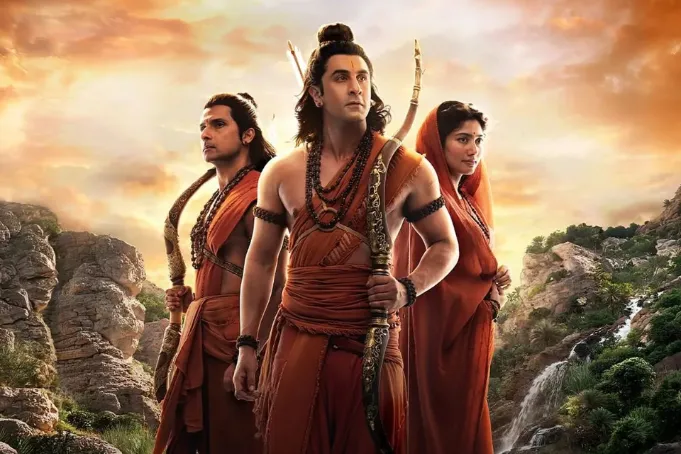
Over the years, state governments have granted tax-free status to several Indian films, with Ranbir Kapoor, Yash and Sai Pallavi’s “Ramayana” the latest example. West Bengal recently declared the mythological epic tax-free.
However, the big question is: What does tax-free status actually mean for a film? Does it boost box-office collections, make tickets more affordable for cinegoers or offer direct financial benefit to producers? And how does the exemption work in practice?
What is a tax-free status?
In India, a film receives tax-free status when a state government waives the entertainment tax on cinema tickets for that film. This is generally done for films that are socially relevant, historical, patriotic, or deal with educational or culturally significant subjects.
However, it should be noted that this is a state-level policy decision and not a special category granted by the CBFC. A film can have a tax exemption in one state but still attract the applicable taxes in another.
Does tax-free status translate into footfalls?
Potentially, yes. If a concession is passed on to consumers, it can make a film more accessible because audiences have to pay less than the original price. Producers don’t automatically receive a tax refund, but it may bring in higher footfall, boosting their film’s collections.
As for the exhibitors, theatres may collect a reduced ticket price and subsequently claim reimbursement from the state for the eligible tax component, depending on state policies.
Related Stories

How Much Can Ticket Prices Drop?
Hypothetically, if the cost of a single ticket for a film is ₹200 (base price) and 18% GST is applied, comprising 9% Central GST and 9% State GST, the final price would be ₹236. If the film is granted tax-free status in Maharashtra, the state would forgo the 9% State GST component, reducing the ticket price by ₹18. The ticket will then be available to audiences for ₹218.
Tax-Free Status Doesn’t Guarantee Box-Office Success
While tax-free status can attract wider audiences due to lower ticket prices, it doesn't guarantee higher profits or box-office collections.


















Comments are moderated. They may be edited for clarity and reprinting in whole or in part in Variety publications.