



Oct 21, 2026 6:00pm IST
Nani: ‘I Don’t Want to Do Films For the Pressure of Global or Pan-Indian Audience’ (EXCLUSIVE)
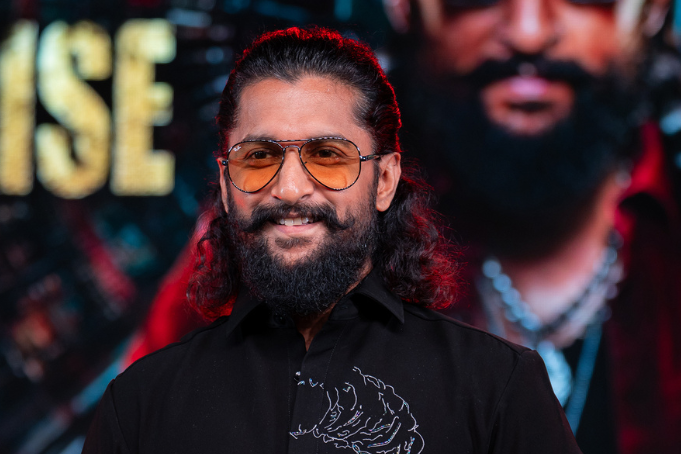
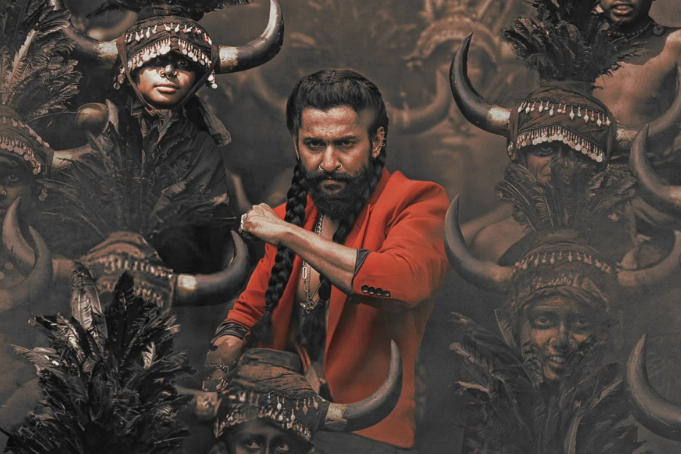
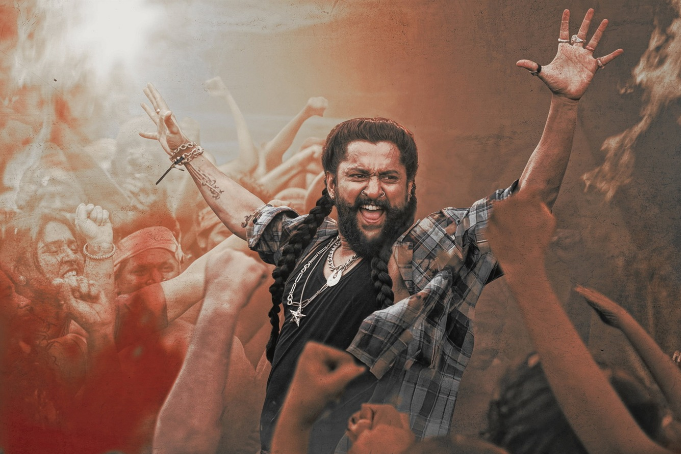
He is called the ‘Natural Star’ of Telugu cinema. Actor and producer Ghanta Naveen Babu, professionally known as Nani, is one of Telugu cinema’s most successful actors. He made a successful debut with “Astha Chamma” in 2008 and followed it up with another successful film, “Ala Modalindi” in 2011. Nani continued to climb the ladder of success and consolidated his position as a critically appreciated and commercially successful star with films like ‘Eega” (2012), “Bhale Bhale Magadivoy” (2015), “Jersey” (2019) and ‘Hi Nanna” (2023). He is back with his latest film, “The Paradise” helmed by Srikanth Odela, the director his 2023 office hit, “Dasara.” In an in-depth chat with Variety India, Nani discusses his instinct for working with debutant directors, balancing boy-next-door roles with massy action films, making it big as an outsider in the Telugu industry and what continues to drive him as an actor today.
How do you balance your signature everyday charm with high-stakes commercial mass roles like ‘Dasara?’
I don’t really think about balancing it, I just do what I really like. For example, now after “The Paradise,” I’m doing “Bloody Romeo.” I know I will get tired of doing action roles. I know the only thing which will excite me next will be something very heartwarming and simple. And once I’m done with that, I might get tempted to do an action film again. I’m just going with my instinct. When we work on a film, we are focused on it for the next six to nine months or maybe even a year.
So, I want to be excited about it. I don’t want to calculate and work on any film keeping the Friday results in mind. I want to enjoy the process first. And I genuinely believe if I enjoy the process, the results will come along.
You have an exceptional track record for picking debutant directors like Nag Ashwin for ‘Yevade Subramanyam,’ Shauryav for ‘Hi Nanna’ and Srikanth Odela for ‘Dasara.’ What qualities do you look for when a first-time filmmaker pitches a story to you?
First of all, I don’t overthink. I don’t really try to think whether a debutant director can do it, what experience does he have, what films did he work in, and all of that. I try to see if the boy is passionate. Is there really a love for cinema? Is he wanting to make a film because it’s a cool thing to be a director? Or is he very passionate about wanting to tell a story? That’s the first thing I look for. And I feel even if a debutant is not experienced, if he’s passionate, he’ll figure it out. So, half the grace marks will happen then itself when I can see that the guy is honest and he really wants to work on a good film; then the project is on.
As an actor-producer, how do you view the global expansion of Telugu cinema and the shift towards pan Indian appeal?
It is our audience’s love for cinema, which is letting us think big and dream big. Because we are confident that they will support us. When we do an exciting project, we’re confident that the footfalls will be strong. And that kind of confidence comes from the audience and also, I think, especially the Telugu filmmakers are audacious and are willing to take risks. I think we like that scale and enjoy creating larger-than-life kind of films. For example, Tamil cinema is all about reality and Malayalam deals with very unique concepts. I’m glad that we all stand uniquely in our respective industries. I think Telugu cinema going global is largely because of how we look at cinema. The entertainment we offer is not too serious or heartbreaking or sad. We want something dramatic and massy happening like “Bahubali.” We love that kind of stuff.
Related Stories
You don’t come from a film family, and yet you are one of the most successful actors in the industry. What do you attribute your success to?
I feel that compared to any other industry; the odds to be successful here, are lesser. So, if an outsider is just looking for money or fame, they should seek it elsewhere. Unless you’re really passionate, the journey or the process won’t be easy. In my case, I’m able to be here or create the kind of films is because I am not in a race nor am I trying to be more and more successful each Friday. I am just trying to do what I love, and things have fallen in place, and I am thankful for that.
In films like ‘Yevade Subramanyam’, your character starts out as very flawed before he finally finds redemption. What draws you to characters who aren’t perfect heroes from the very first frame?
I feel there should be a character arc in whatever film I am working on. I might not be like the character in “Yevade Subramanyam” but there should be a character arc. As audience, I should wait for some element of growth in the character, right? If everything is picture- perfect from the start, as in if the character is a great guy and can fight and do everything right, what is the audience looking for? The situations in the movie must lead to some kind of a transformation in the character to make him a better person. So, I kind of end up picking films which I think I’ll enjoy in a theater.
You once mentioned that after a string of early failures, you had signed films just to chase a hit, but then you shifted back to chasing honest stories. In today’s environment, how do you keep yourself from falling back into the trap of playing it safe?
Initially, I was picking whatever I was getting, I had very little choices. And then I wanted to do something, which is a minimum guarantee for success, and so I could continue my career and look for more scripts. But now I think I have a choice. I’m not in that place anymore where I need to do safe things like that. I am very comfortable in the place I am in right now; I’m not at all worried about my career as I have a bond with the audience now. And I think they understand what I’m really looking for. I think somewhere I got this comfort and thus the shift happened. I’m now extremely happy. Sometimes, the scale of the films becoming bigger, scares me. I just want to be in the place where I am. I don’t want to go above this also. Because it comes with a lot of baggage. I don’t want to do films for the pressure of global or pan-India audience. I want to do something I genuinely love, and I genuinely believe the movie-going audience will love. My films remain rooted in Telugu culture because I am a Telugu boy.
I choose whatever I choose from
my heart.
Do you see yourself taking the plunge into a full-length Malayalam film or a Hindi film where you have to dub for yourself?
I am very comfortable with Hindi, and I have already acted in and dubbed for a couple of Tamil films like “Veppam” (2011) and “Aaha Kalyanam.” I can learn my dialogues and say it. I can also get the accent or slang right when I dub. I have that kind of understanding of the language. But the moment you put me on a stage and give me a mic and say, speak in Tamil, I go blank.
Popular on Variety
You’ve also acted in films like ‘Jersey’ or ‘Hi Nanna,’ which demanded a massive emotional vulnerability. How do you get over an emotionally taxing role?
It has only happened a couple of times with me. In general, once I leave my set, I can somehow manage to do that. “Jersey” and even “The Paradise” for that matter were physically draining and sometimes one heads back home with low energy. The character I played in “Jersey” drained me out because it was an emotionally intense film. Even my friends would complain that I’m not talking much, or I used to just be silent, listening to them. It was like that for a few days. But otherwise, I think I am quite good with shaking the characters off once the shoot is done.
How much does changing your physical appearance help you mentally to step into a character’s shoes?
It definitely helps a lot because it’s not just physical appearance; even a costume you wear that has been designed to help you get into the skin of the character can remind you who you are playing. That is also why when we are on stage during events and the audience asks us to say a dialogue from a movie, it never turns out the way you see it in a film. The reason is because in the movie, you’re on the set, you’re in that costume and you can create it. The next level of that is the physical transformation. When you do transform your physical appearance, then your body language, your confidence, and how you look at that character also changes.
Do you see yourself stepping into the director’s shoes on a full-time basis?
I’m enjoying what I currently do so much. Being a part of so many people’s stories is so exciting. Initially I had this feeling that someday I will direct, but not now. I’m having too much fun being an actor. So, I’m not really looking at it, but one should never say never.
Is there any specific role played by other actors that you wish you would’ve done?
There are a few roles. Ever since I was a kid I always had, I always wanted to be a part of a film like “The Gladiator.” It has always been a childhood dream. And then after that, there are few films like “The Pursuit of Happyness.” But I think I have my own “Jersey,” so I am fine.
What’s the one misconception about the Telugu film industry that you wish the rest of the world would look past?
I think that a lot of people assume that Telugu cinema is all about songs, dance and a lot of fights. They assume that our films are too commercial but there are so many wonderful movies also coming out of the Telugu industry and nobody talks about. But I feel that is changing. So, I think that misconception is going to go away very, very soon.








Comments are moderated. They may be edited for clarity and reprinting in whole or in part in Variety publications.