



Oct 19, 2026 1:19pm IST
Sohum Shah on Why He’s Excited for ‘Varanasi’ and ‘Ramayana,’ And Why Writers Matter More Than Directors in the AI Era (EXCLUSIVE)
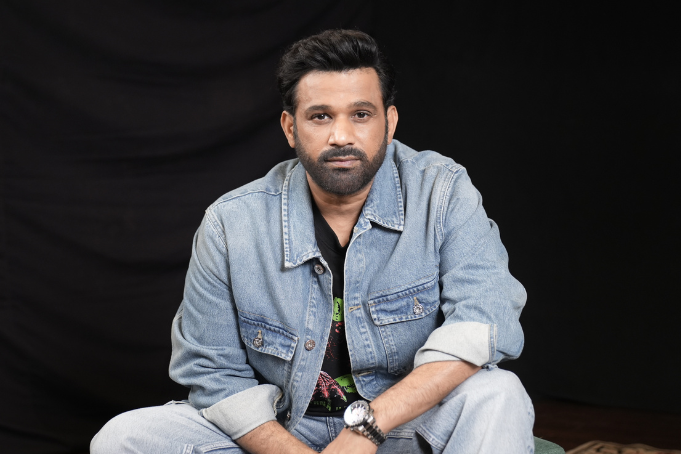
Sohum Shah is particularly excited about the possibilities of Indian cinema at a time when filmmakers are pushing the boundaries of scale, visual effects and technology. But for the actor-producer, who is returning to the world of “Tumbbad” with its much-anticipated sequel, the fundamentals of filmmaking remain unchanged: a compelling story comes first.
In an exclusive conversation with Variety India, Shah spoke about his anticipation for S.S. Rajamouli’s “Varanasi” and Nitesh Tiwari’s “Ramayana,” while offering a considered perspective on the growing use of artificial intelligence (AI) in filmmaking. For someone who has championed an immersive, folklore-inspired cinematic universe with “Tumbbad,” his approach to technology is rooted in the belief that the medium matters less than the story being told.
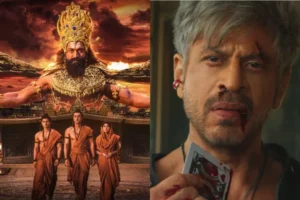
“I am excited about ‘Varanasi’ because I really like Rajamouli sir as a filmmaker. I am excited about ‘Ramayana’ as well, but I already know the story of ‘Ramayana.’ I have watched it and read it,” Shah says. What particularly intrigues him about “Varanasi,” however, is the promise of discovering an unfamiliar world and an unpredictable narrative. “I don’t know what ‘Varanasi’ is about, what the surprises will be or what kind of new world he is going to show us,’” he adds.
Related Stories

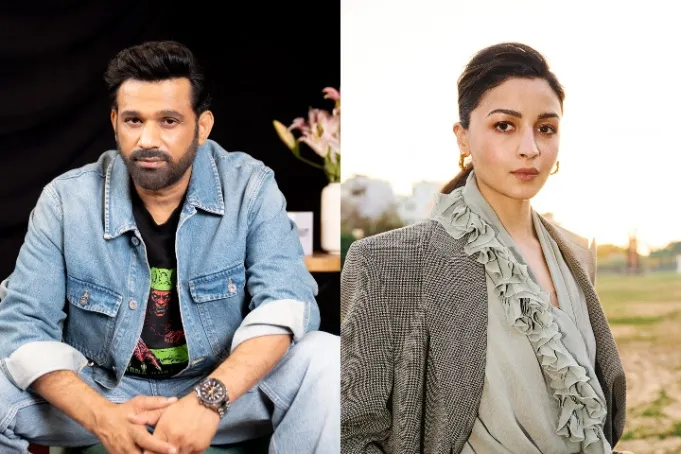
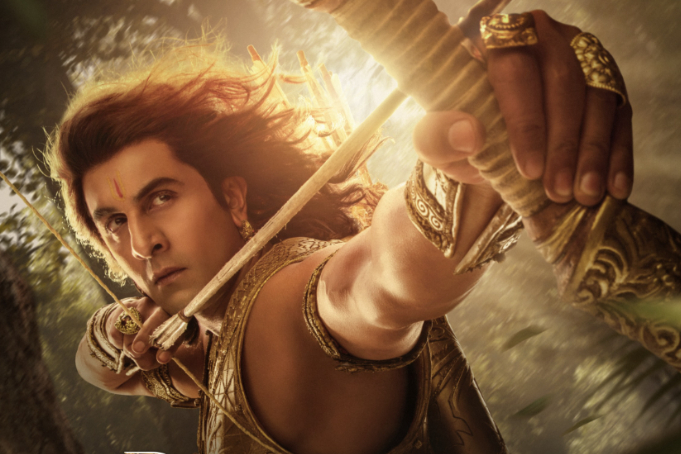
Shah is equally looking forward to “Ramayana.” “I am excited about ‘Ramayana’ because I really like Ranbir’s work, and he is playing Lord Ram in the film. We will have to see how everything turns out, but they have made the film on a very large scale. I think they want to take it to the whole world,” he reasons.
As AI increasingly finds its way into filmmaking, Shah believes it is important to look beyond the technology itself and consider the opportunities it creates for storytellers. Rather than viewing AI as a threat to cinema, he sees it as another means of bringing stories to audiences, particularly for filmmakers who may not otherwise have access to the resources needed to make a film.
“I guess it depends on your perspective. For someone who isn’t getting an opportunity to make a film but has a story to tell, AI can be a great thing. They can make their film using AI and put it on YouTube. It gives them a way to reach people,” Shah notes.
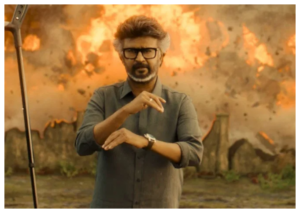
Shah’s own filmmaking philosophy leans towards practical sets and real locations, with computer-generated imagery (CGI) and visual effects used only when necessary. Recalling the making of the first “Tumbbad,” he said the production relied extensively on constructed sets, real locations and prosthetics to bring its unsettling world to life.
Popular on Variety
The experience has shaped his approach to the sequel, for which he intends to retain that balance rather than rely heavily on digital techniques. “Definitely, in ‘Tumbbad 2,’ we will use VFX or CGI only where it is required. Otherwise, we have shot at real locations or built sets,” he says.
As a producer and actor, Shah believes practical environments can influence performances in ways that are difficult to quantify. Working on a physical set allows actors to respond to their surroundings, while directors can better understand how the space affects the drama, nuances and dynamics of a scene. “As an actor, your performance changes. As a director, you understand a lot more about how the drama changes and how the nuances change. There are intangible benefits that you cannot really measure. I would like to make my films this way as much as possible,” he shares.
Shah’s position is not a rejection of technological innovation. He acknowledges that different filmmakers have different creative approaches and that there is no single correct way to make a film. For him, the question is whether the chosen tools help bring the story to life. “The medium can be anything. You can tell a story through AI, through VFX, by building sets or by going to real locations. You should use whatever works for you,” he opines.
As Indian cinema embraces increasingly ambitious worlds and new technological possibilities, Shah’s perspective offers a reminder that spectacle alone cannot sustain a film. Whether a story unfolds through an epic mythological spectacle, an expansive cinematic universe or the eerie folklore of “Tumbbad,” the technology may change, but the creative impulse remains the same: finding a story worth telling.













Comments are moderated. They may be edited for clarity and reprinting in whole or in part in Variety publications.