



Sep 07, 2026 2:48pm IST
Mahesh Bhatt On Matthew Dougherty’s ‘The Natural State’: ‘The film has been born, the director has been born, UG Krishnamurti has escaped’
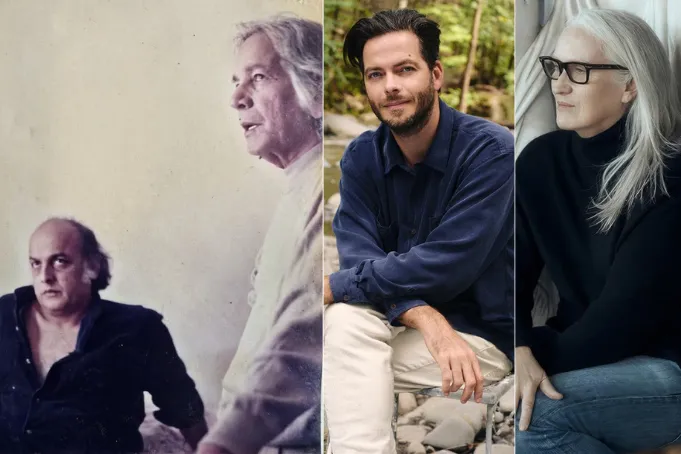
“The Natural State,” a captivating new documentary directed by Matthew Dougherty, has officially made its world premiere at the Telluride Film Festival. Co-executive produced by Oscar-winner Jane Campion and legendary Indian filmmaker Mahesh Bhatt — both of whom knew the radical "anti-guru" personally — the project was nearly 17 years in the making. The film is constructed from hundreds of hours of long-lost archival footage captured in 1989 by Julie Thayer, a wealthy New York mother who traveled to the Swiss Alps to document her intense psychological encounters with U.G. Krishnamurti.
Executive producer Jane Campion previously modelled Holly Hunter’s mysterious mystic character, GJ, in the series Top Of The Lake after Krishnamurti. Meanwhile, Mahesh Bhatt spent decades by U.G.'s side and has authored multiple books detailing their profound relationship. “The Natural State” dives deep into U.G.'s fierce, iconoclastic philosophy, where he completely rejected the traditional concept of spiritual enlightenment, stripping away the illusions of the human ego.
Here Bhatt talks about Krishnamurti, “The Natural State,” his three books and the film that carried the fire forward….
On the director
“For 16 years, this brave young man had carried an almost impossible film inside him. His challenge was not merely to document the life of U.G. Krishnamurti. It was to give the audience a sense — a taste of what it was like to encounter this extraordinary, infuriating and unclassifiable human being. U.G. was not a guru in the conventional sense. He rejected gurus, enlightenment, spiritual systems and every promise of inner transformation. He offered no method and no consolation. Where others gave seekers a path, U.G. pulled the ground from beneath their feet. In 2008, Matthew printed a copy of my book ‘A Taste of Death’ in the basement office where he worked. He carried the pages to a gym and read them while walking on a treadmill — a young man moving furiously without going anywhere, reading about a man who said there was nowhere to go and nothing to attain. That night, the film began inside him.”
On his relationship with UG
“My relationship with him lasted more than 30 years. I was not his disciple and he refused to be my master. Ours was a collision — intimate, brutal and transformative. I went to him asking for light. He gave me fire.”
Related Stories
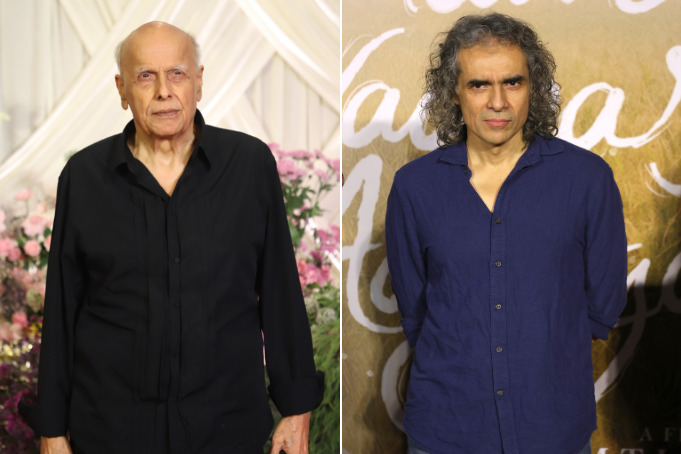
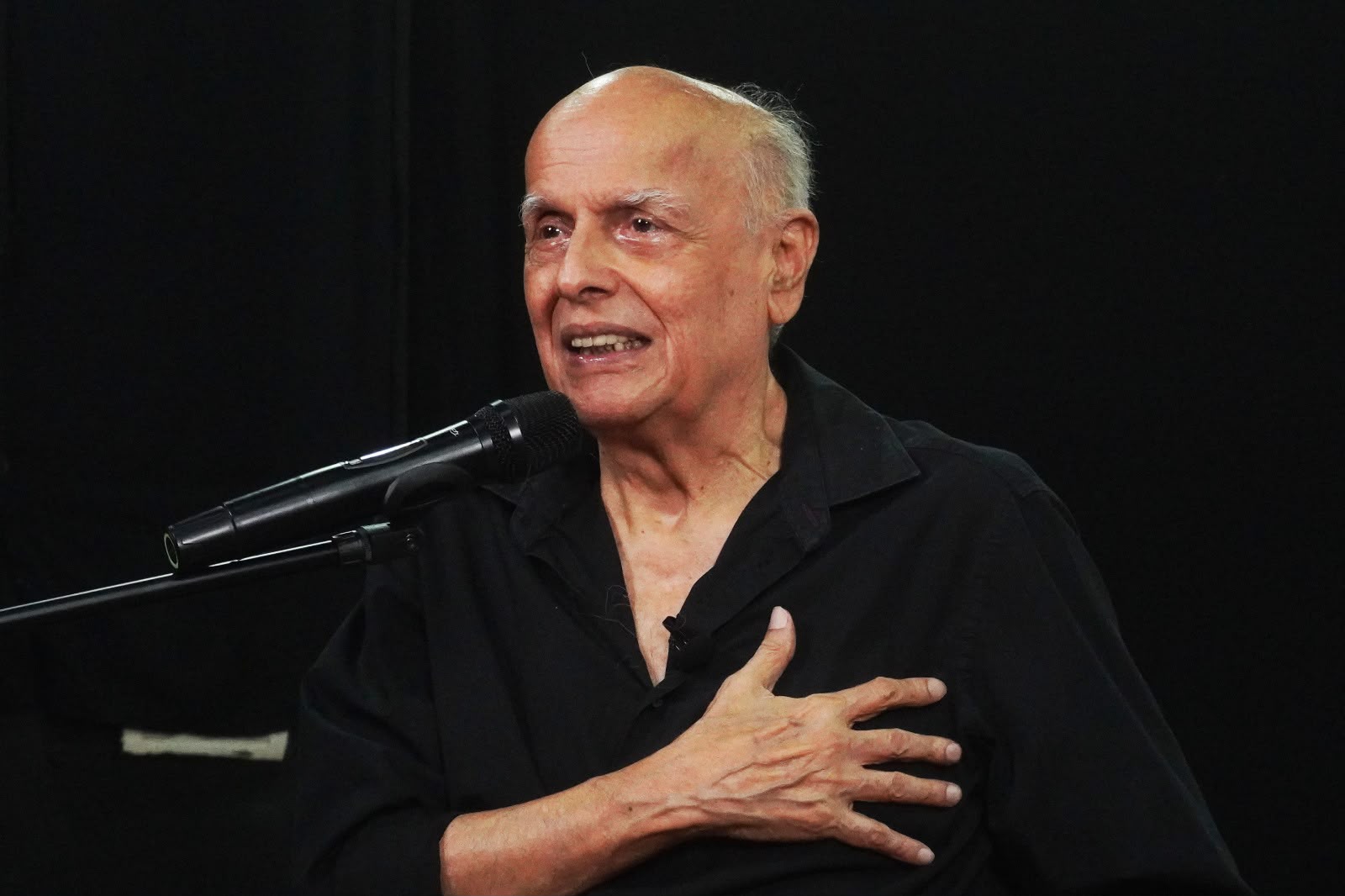
On His Books
“My three books mark three stages of that encounter. ‘U.G. Krishnamurti: A Life,’ first published in 1992, was my attempt to introduce the living man to the world. How do you write the life of someone who insists that he has no message, no teaching and no story worth preserving? A later edition included ‘A Taste of Death,’ the journal of the 30 days I spent with U.G. in Gstaad in 1995. Death was then something we spoke about, approached and tasted from a distance.That section would unexpectedly ignite another journey.
“My second book, ‘A Taste of Life,’ published in 2009, remains the most naked of the three. It records the final days I spent beside U.G. in Vallecrosia in March 2007. U.G. refused hospitalization, ritual, prayer and every attempt to turn his death into a spiritual spectacle. He allowed the body to complete its movement. That is why I called the book ‘A Taste of Life,’ not ‘A Taste of Death.’ In watching him die without hope, fear or theatre, I tasted life stripped of postponement. When tomorrow is no longer available, what remains is not philosophy. It is this breath. This body. This moment.
“My third book was ‘The Ashes Are Warm.’ This is not the younger man attempting to explain U.G. Nor is it merely the grieving friend keeping vigil beside his dying body. It is the older man, approaching seventy-eight, returning to the scattered jottings of an entire lifetime and asking: What survived that fire? The answer is not enlightenment. It is not peace or certainty. It is perhaps only a greater willingness to stand alone—without demanding that life provide a purpose, a destination or a final answer. The ashes are warm because the encounter is not over. U.G. is absent, but the disturbance he created in me remains alive. Matthew entered this story through another door.”
Matthew's Take on U.G.
“His first response to U.G. was not reverence, but repulsion. He saw an angry, arrogant man demolishing everything others considered sacred. But the offence would not leave him alone. Beneath the icon-breaker, Matthew sensed something dangerous and alive. He searched out every book, interview and fragment of footage. He entered the extraordinary archive created by Julie Thayer, who had followed U.G. across countries and continents with her camera.”
Meeting Matthew
“Over the years, Matthew and I met repeatedly. We travelled through India: to Varanasi and the human ocean of the Kumbh Mela and later through Rome and the Vatican. Wherever Matthew went, the film went with him. It flowed silently through his life like blood. ‘The Natural State’ does not ask the audience to worship U.G. or condemn him. It does not manufacture another halo. It allows us to see the animal beneath the halo — the human being who breathed, laughed, wounded, suffered, aged and died, and the people who came close enough to be warmed, scorched or altered by him. Jane Campion and I are privileged to stand beside Matthew as executive producers. But the wager is his. He gave the most vital years of his adult life to the belief that this disturbance deserved to become cinema. This morning, as the audience gathered in the mountains of Colorado, I did not feel triumph. U.G. would have mocked triumph. I felt gratitude. I wrote three books trying to preserve the wound of my encounter with U.G. Matthew spent 16 years turning that wound into a film. My first book lit a match in a young stranger. Now that stranger has carried the fire to Telluride. ”
On the Telluride screening
“One hundred and two minutes later, the screening ended. I allowed a little time to pass. Then the phone rang. It was Matthew. He sounded different. Matthew had been born. A person may spend years shooting and editing a film. But a director is born only when his work enters a darkened room filled with strangers and submits itself to the scrutiny of the public gaze. Until then, it is a private obsession. After that, it becomes cinema. Matthew was happy.
“The audience did not consist mainly of intellectuals, scholars or professional seekers. They were ordinary Americans, many of them middle-aged people who had probably never heard of U.G. Krishnamurti. Yet the film had reached them. They told Matthew that it had done something to them. Perhaps they could not explain exactly what. That was enough.
“I said to him, ‘Now uncork the champagne. Sit with Robin—your wife and the editor of this film—and celebrate. You have carried this burden for 16 years. Tonight, it has begun a life of its own.’ The film is out now. It belongs to the world. What people make of U.G. through this film is for them to discover. I knew the man intimately for more than thirty years, and I could not figure him out. I still cannot. U.G. remains like life itself: a real enigma. Not because he was hiding something, but because he was too alive to be captured by an explanation. I could write a hundred books about him. A hundred filmmakers could make a hundred documentaries. Each might capture a gesture, a contradiction, a flash of cruelty, laughter or tenderness. None could sum him up. He was that rarest of beings: an extraordinary ordinary man. Matthew’s film does not solve the riddle. It releases it into the world. The film has been born. The director has been born. And U.G., as always, has escaped.”







Comments are moderated. They may be edited for clarity and reprinting in whole or in part in Variety publications.