



Jul 06, 2026 5:30pm IST
Mahesh Bhatt on Producing A New Play: ‘The Older I Get, the Less Interested I Am in Spectacle’ (EXCLUSIVE)
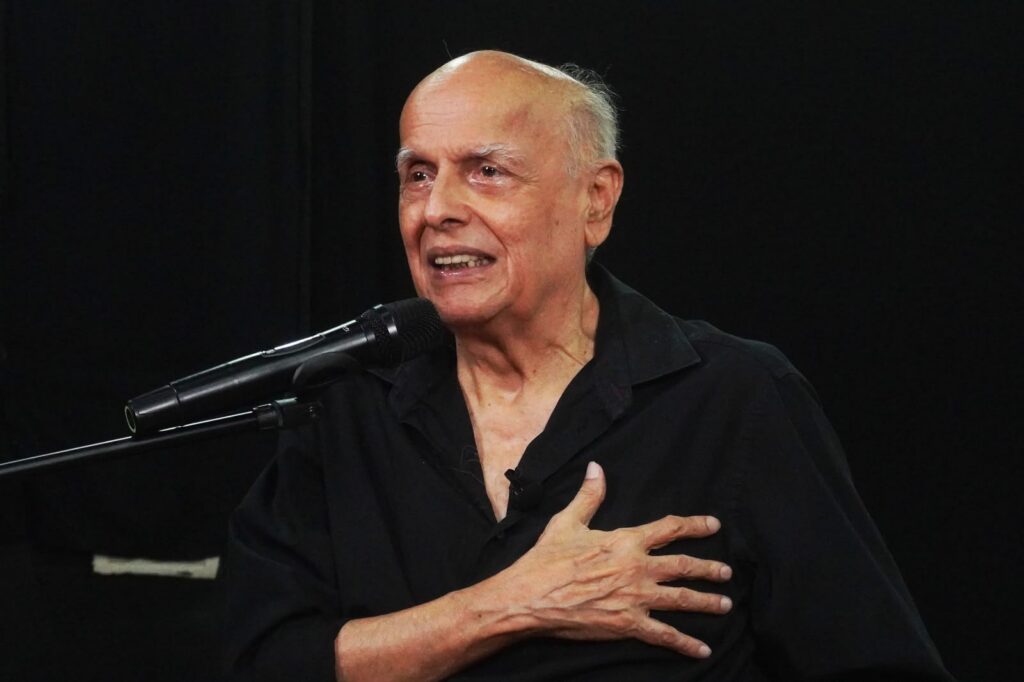
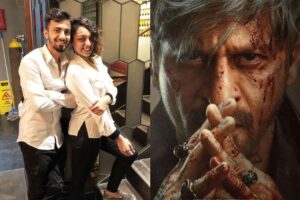
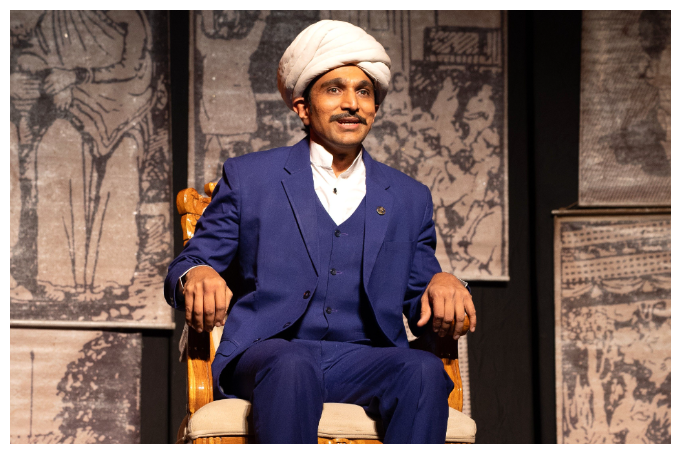
Filmmaker Mahesh Bhatt returns to the theater with the new stage production “Wo Subah Hum Hi Se Aayegi.” The play, directed by Tariquee Hameed and written by Dinesh Gautam, features Imran Zahid and Namitaa Sachdeva. Anu Malik has scored the music for Bhatt’s latest association with live theatre. For the filmmaker, the play is more than a creative collaboration. It is an affirmation of storytelling rooted in human presence at a time when technology increasingly shapes how audiences discover and consume stories.
Speaking exclusively to Variety India, Bhatt says he does not see technology as a threat to storytelling. Instead, he believes the greater challenge lies in allowing algorithms to dictate human curiosity. “I do not see technology as the enemy. Every age creates new tools. Cinema itself was once regarded as a technological intrusion into storytelling. The real question is whether the human being remains at the center.”
He adds, “What concerns me about algorithms is not technology itself but the tendency to reduce human curiosity into predictable patterns. Great storytelling has always done the opposite. It has taken us somewhere we did not know we needed to go.” Bhatt has previously backed plays, including The Last Salute and The Trial of Errors, as well as stage adaptations of his films Arth and Daddy.
Related Stories
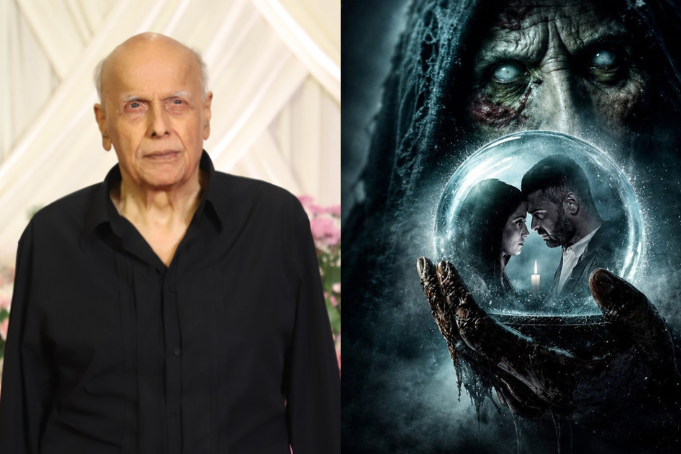
For Bhatt, that is precisely where theatre continues to distinguish itself. “This is not a commercial enterprise. It emerges from an amateur theatre movement driven by passion rather than profit,” he says of “Wo Subah Hum Hi Se Aayegi.” “There are stories today that cinema halls, television channels and streaming platforms may not touch because they do not fit established formulas. Yet some of those stories are vital to the moral and emotional conversation of our times.”
Through the production, Bhatt hopes to support emerging artists and stories that may otherwise struggle to find space within mainstream entertainment. “What moved me was the intent behind the production. My protégé Imran Zahid and his team are attempting to create space for subjects that may not be lucrative but are necessary. I have always believed that talent should not exist merely to enlarge its own reputation. It should also be used to empower other talent.”
He adds that this philosophy has become increasingly important at this stage of his life. “How much more money can one make? How many more applause lines can one collect? At some point, the question changes. It becomes: can your experience, your craft and your visibility help create opportunities for voices that might otherwise go unheard?”
Bhatt says growing older has fundamentally changed the kind of stories that attract him. “As you grow older, the appetite to impress begins to fade, and the appetite to understand begins to deepen.” He adds, “When I was younger, I was driven by ambition, hunger, restlessness. Cinema gave me a magnificent canvas on which to project those energies. But age has a way of stripping away illusions. Friends disappear, parents disappear, teachers disappear. One day you look in the mirror and realize that you too are disappearing.”
Those reflections made “Wo Subah Hum Hi Se Aayegi” feel especially personal. “This play arrived at a time when I was thinking deeply about what remains when so much has been lost.”
Popular on Variety
The veteran filmmaker believes theatre demands an honesty unlike any other storytelling medium because it leaves no room for concealment. “Theatre demands a nakedness that I find increasingly attractive. There is very little machinery between the performer and the audience. You cannot hide behind technique for long. Sooner or later, truth—or the absence of it—reveals itself.”
That immediacy, he says, explains why live performance continues to matter in an era increasingly mediated by screens. “The older I get, the less interested I am in spectacle and the more interested I become in presence.”
“Before there was cinema, before there were streaming platforms, before there were algorithms, there was a human being sitting across from another human being saying, ‘Listen, something happened to me.’ That remains the beginning of all storytelling.”
For Bhatt, theatre remains the purest expression of that idea. “There is nowhere to hide. No retakes, no visual effects, no algorithm deciding what comes next. A living human being stands before another living human being and something unpredictable happens.”
Recalling the work of legendary British theatre director Peter Brook, Bhatt says his own understanding of live performance has evolved over time. “Peter Brook spent a lifetime searching for what he called the living moment. I have come to think of it as a moment of truth in an age of performance. Perhaps that is what draws me back to theatre. Not nostalgia. Not resistance to technology. A longing for that fragile encounter where two human beings share the same breath, the same silence and the same uncertainty. In a world increasingly mediated by screens, that feels almost radical.”








Comments are moderated. They may be edited for clarity and reprinting in whole or in part in Variety publications.