



Sep 16, 2026 4:30pm IST
‘The Uprising’ Review: Andrew Garfield’s Gritty Peasant Revolt Ends on a Wobbly Note
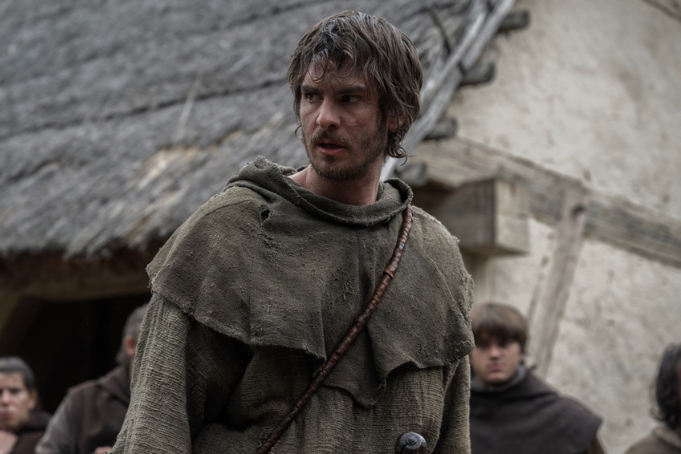
Late 14th-century England was clearly an absolute nightmare. The sky stays slate grey forever. Everyone wears itchy scratchy brown rags. Hygiene is non-existent. Worst of all, a selfish teenage king and his greedy advisors are squeezing the poor dry. The Black Death wiped out half the country, which means tax revenues plummeted. Naturally, the royal council decides to tax struggling peasants instead of wealthy church officials or rich merchants.
Enter our reluctant hero known only as the Ploughman. Played by a very serious Andrew Garfield, this grieving farmer has lost his wife and children to the plague. He has zero interest in politics until local tax collectors cross a massive line. They begin invasive physical checks on young women to verify their taxable age. The Ploughman snaps, flips a table and sparks a full-scale peasant riot.
From there, he joins real historical figures of the 1381 Peasants' Revolt. Jamie Bell plays the radical priest John Ball. Cosmo Jarvis plays the battle-hardened rebel leader Wat Tyler. Thomasin McKenzie plays Alyce, an abused former nun looking for justice. Together, this ragtag band marches toward London to confront young King Richard II (Woody Norman). They want to restore basic fairness to the land.
Related Stories

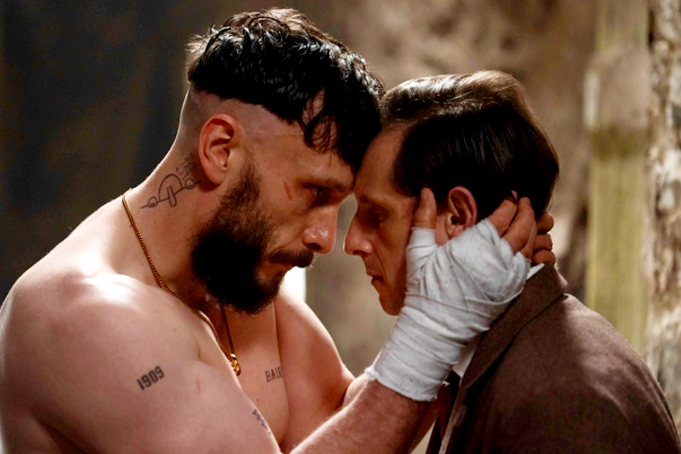
There is plenty to admire about the film, especially in its first two acts. Andrew Garfield delivers a fierce and deeply committed performance. He brings raw emotional weight to a character who is otherwise written as a generic everyman. He grunts, scowls and radiates pure anger. However, Jamie Bell and Cosmo Jarvis steal almost every scene they are in. They look like they actually belong in the Middle Ages. They bring natural grit, charisma and grounded realism to the screen.
Director Paul Greengrass brings his signature documentary energy to the medieval combat. The mob riots feel genuinely dangerous, unpredictable and heavy. The mud feels real, the clash of metal feels brutal and the anger feels totally justified. The film tackles class struggle and systemic abuse in ways that feel surprisingly relevant today. Standout supporting turns from Katherine Waterston as the cold queen mother and Tom Hollander as a slimy royal advisor add great dramatic tension. There is even a delightfully gory third-act moment that will shock horror fans.
Unfortunately, the technical choices severely undermine the storytelling. Greengrass relies heavily on his classic handheld shaky-cam aesthetic. Cinematographer Pål Ulvik Rokseth moves the camera right inside the crowd to create instant chaos. You get sudden whip-zooms, abrupt digital pushes and constant wobbling. While this chaotic style works great for modern thriller movies, it feels completely jarring inside 14th-century Kent. Audiences on Reddit and critics alike have complained about motion sickness. The camera shakes violently even when two people are just having a simple conversation while walking down a road. The visual gimmick quickly turns exhausting.
The biggest disaster arrives in the bloated final act. After hours of tense buildup, the climax collapses into a rushed, clumsy mess. The pacing halts completely for endless political debates inside Windsor Castle. We watch Garfield endlessly sharpen his scythe in dark rooms. The film suddenly throws in an awkward dream sequence that feels cheap and amateurish. Sentimental melodrama replaces genuine narrative payoff, draining all the hard-earned tension built up over the first two hours.
The marketing team really shot themselves in the foot with the Robin Hood angle. Distributors desperately tried to market this historical drama as a secret Robin Hood origin story. The actual Peasants' Revolt happened in 1381, long before the famous folklore tales were set. Yet the film forces unnatural heroic tropes into a gritty historical event. It drops heavy-handed hints and forced symbolism to tease a famous outlaw legacy. By forcing a legendary myth onto real history, the narrative completely loses its identity. The forced Robin Hood bow is drawn tight, but the final arrow completely misses the target.
Despite a brilliant cast and some kinetic action sequences, the clunky ending and dizzying camera work ruin the fun. History buffs might appreciate the raw atmosphere, but casual viewers will likely leave feeling disappointed and motion-sick.









Comments are moderated. They may be edited for clarity and reprinting in whole or in part in Variety publications.