



Aug 07, 2026 4:22pm IST
‘Sterling Point’ Review: The YA Genre Comes of Age in this Refreshing, Slow Burn Drama Series
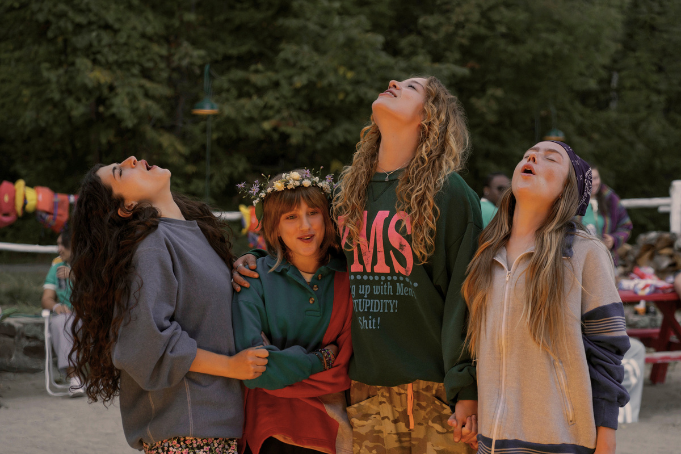
There’s something refreshing about Prime Video’s latest YA (Young Adult) offering, “Sterling Point.” For a change, the series is not a book adaptation, but an original. It is created by Megan Park, who is also a showrunner alongside Josh Schwartz and Stephanie Savage, creators of “The O.C.” and “Gossip Girl.” “Sterling Point” sets itself apart from other YA titles with its mature treatment, its focus on family, friendship and coming-of-age over just romance and dialogue that effortlessly captures how Gen Z communicates.
17-year-old Annie Jacobson (Ella Rubin) lives with her fraternal twin brother, Connor (Keen Ruffalo) and father, Steven (Jay Duplass), in New York. When their estranged maternal grandfather dies, Annie and Connor inherit an island called Sterling Point in Canada, where their mother (who died when the twins were little) grew up. After failing to get into a summer program at Wharton business school, Annie decides to rebel against her father’s wishes and visit Sterling Point to learn more about Gordon and her mother’s lives. It turns out to be quite the adventure as she uncovers family secrets, makes friends, falls in love and discovers why her mother came back to the peaceful island life.
“Sterling Point” is languid at first and it can be a struggle initially to get invested in the lives of Annie and her new island friends, Ellis (Jacob Whiteduck-Lavoie), Oona (Bo Bragason) and the mysterious Ramona (Amélie Hoeferle), who is also living at Annie’s grandfather’s cottage. But if you can keep faith until the third episode, it comes into its own, like an introvert that's finally feeling comfortable to show their clever, funny and endearing side to the party. It’s a testament to how much YA as a genre has been relegated to certain visual and thematic tropes that you go in reflexively expecting the usual sibling friction, romantic conflict and irrational, impulsive decisions from its young characters. However, “Sterling Point” is subversive, offering character arcs with more development in one season than most shows have in their entire runs.
Related Stories

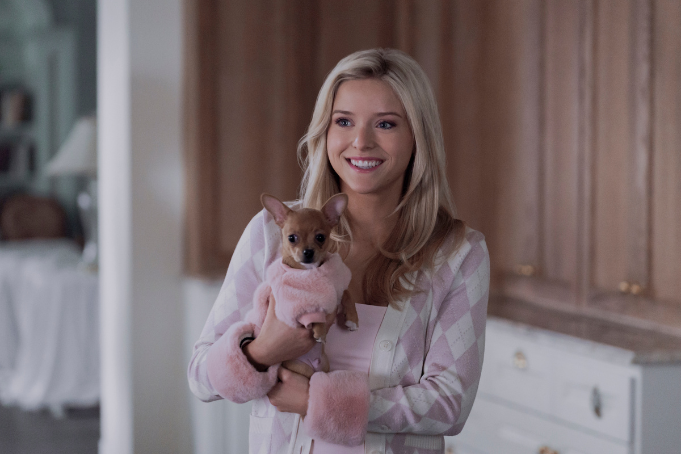
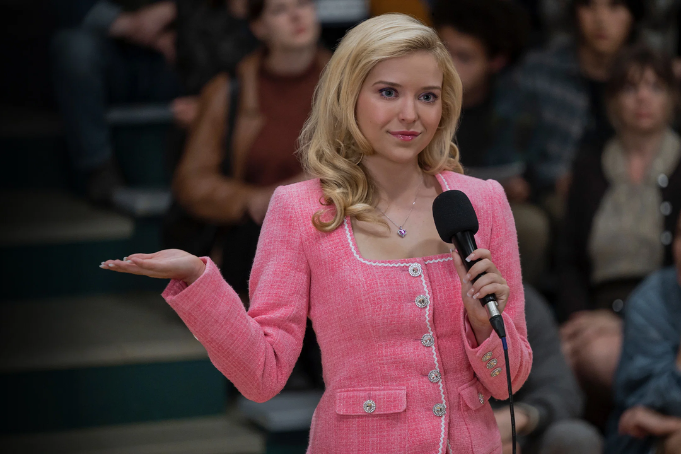
The show is visually lush and cozy, with a vibe that is more “Every Year After” than “The Summer I Turned Pretty.” Yet, despite its idyllic island setting where internet is sparse and teenagers are rarely seen using a smartphone, there's something refreshingly real and updated about the way its young characters articulate. The awkward, incomplete thoughts, monosyllabic sentences and Gen Z lingo (like calling one’s crush ‘wifey’) feel too real. “Dracula” by Jennie and Tame Impala plays over a club scene. The coming-of-age angle is beautifully integrated as characters stumble upon new life experiences like first love, heartbreak, losing their virginity and discovering their parents aren’t perfect people. But there's an unhurried, soothing, almost cathartic quality to this journey, which is so quintessentially Gen Z.
These textures give the feeling of watching something very real unfold instead of fiction. Take, for example, Maple (Mabel Strachan), Oona’s 12-year-old sister and one of the best secondary characters on the series. She knows Stephen Sondheim songs, champions long-form journalism by reading "The New Yorker," and is wise beyond her years while still missing their mother, who has left her behind to go soul-searching in India. Maple represents the “dialed in” teen without making it look pretentious or caricaturish. In one memorable scene, Oona, Annie and Ramona celebrate Maple getting her first period in a fantastic ode to girlhood and sisterhood that's bound to make you smile.
Perhaps the most surprising element of "Sterling Point" is just how much it elevates the YA genre beyond its usual fixings. The amount of rational thinking integrated into the characters’ actions is a positively fresh take on a younger generation often portrayed as impulsive. It lets its young make mistakes but doesn’t weaponize them into end-of-the-world consequences. Everything feels grounded, like people may say or do something in the heat of the moment, but they get to go touch some grass or sleep on it before actually taking the next step.
Popular on Variety
A love triangle between Annie, Ellis and Rory (Daniel Quinn-Toye) is handled deftly without making it the centerpiece of every conflict. Ramona and Oona’s relationship struggles stem from their fears of attachment and abandonment. The sisterhood between Annie and Ramona undergoes an almost alchemical journey and grows into one of the best things about the series. Even Connor's defensive humor throughout the season serves a purpose, highlighting his detachment from his sisters and the island.
The younger cast truly pulls their weight here, with engaging performances by all. In a heartbreaking scene, when Rubin’s Annie pictures what could've been her entire life as a girl whose mother was alive, it unleashes the waterworks. The adults, played by Jay Duplass, Missi Pyle (Rory’s mother, Denise) and Jeffrey Dean Morgan (Ellis’ father, Joe), have little to do here, but it's great that these characters’ flaws and errors in judgment come with regrets and consequences.
Ultimately, "Sterling Point" isn't an instant coffee hit, but a slow brew, collected drip by drip. It lets its characters come of age without resorting to the same old tricks we've seen in every other offering in the YA genre. And that's saying something.

















Comments are moderated. They may be edited for clarity and reprinting in whole or in part in Variety publications.