



Jun 29, 2026 10:00pm IST
‘Elle’ Review: A Mostly Cute ‘Legally Blonde’ Prequel That’s Too Mature for Its Own Good
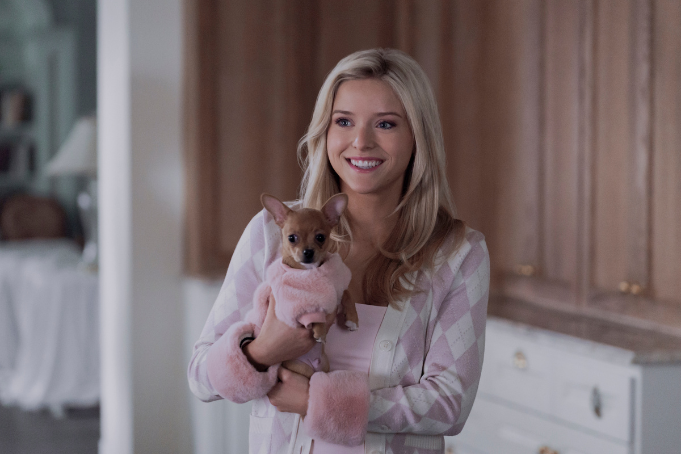
At first glance, Prime Video’s new series, “Elle: From the world of Legally Blonde”, starring Lexi Minetree, feels like yet another pop-culture nostalgia bait from the early aughts. But the more you watch it, the more it feels like a modern update on the feminist themes championed by the 2001 film starring Reese Witherspoon as Elle Woods.
“Elle”’s existence creates a Grandfather Paradox of sorts. In “Legally Blonde,” Witherspoon’s blonde bombshell, Elle Woods, gets into Harvard Law (What? Like, it’s hard?) and proves everyone who undermines her because of her femininity wrong. But the Lexi Minetree starrer prequel, which delves into Elle’s formative high-school years, offers so much character development in one season that it would render its source material moot.
The series begins in sunny California, exactly as the film began, with someone carrying a bedazzled greeting card for Elle on her special day. Elle’s life is pink and perfect, with parents and friends who love her, a crush who clearly likes her back and a career in fashion she'd ace. But catastrophe strikes, and her family of three is forced to move to rainy Seattle. Elle’s pop of pink, not just in her outfits and accessories (which are so on point) but also in her cheerful, girly pop spirit and posh LA attitude, feels out of place in a town that loves to dress in fifty shades of grey plaid, blast Nirvana during a pool party with no water in the pool and rage after hours at a local carpet store.
The eight-episode season, then, is about Elle initially resisting her Seattle sentence and dying to get back to LA, before something bends and snaps into place and she starts fitting right in.
Related Stories
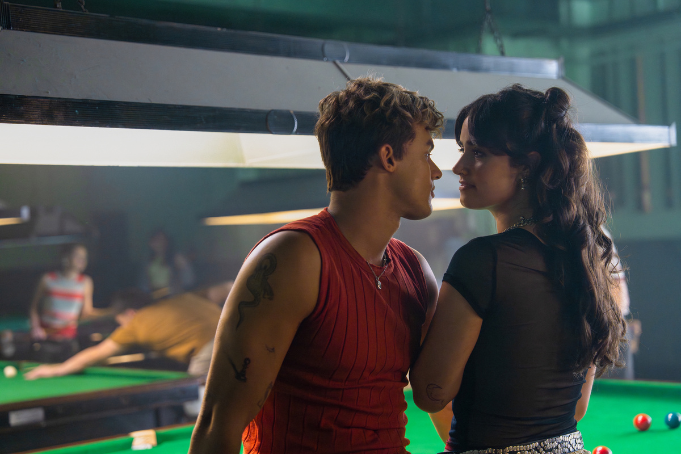
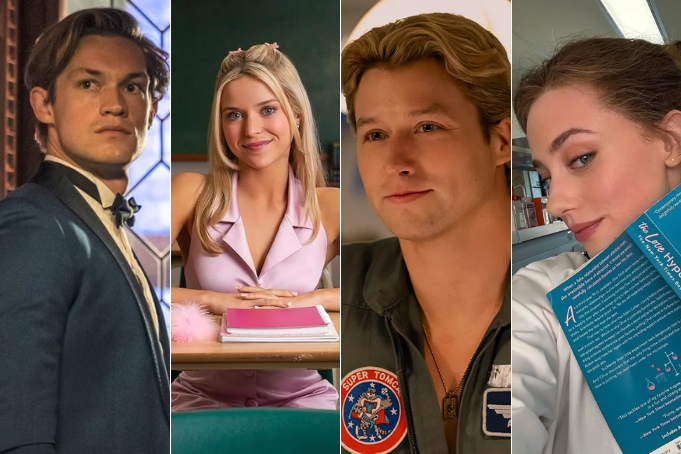
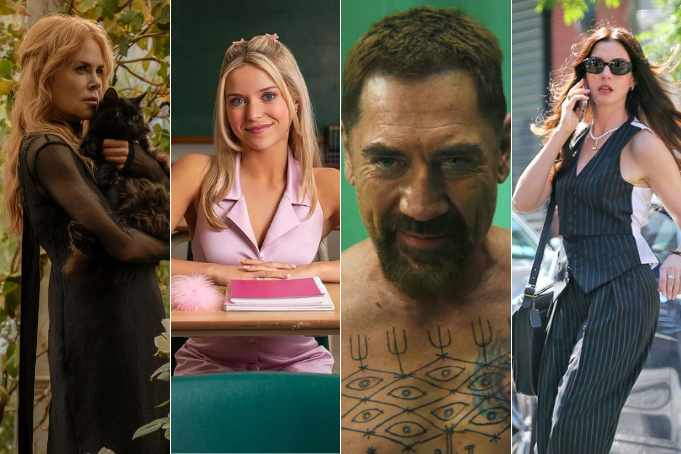
The world of “Elle” is engaging, with its production design, some pretty great needle drops in the score and the themes it wants to explore, especially women’s often complicated relationships with other women and how men practically ruin every good thing, leaving the women to clean up after them. Any obvious callbacks to “Legally Blonde” (like the one time Elle says “I object!” when talking to a lawyer) are surprisingly kept to a minimum; it’s all more subtle and cleverly woven in. Instead, the writing offers several nods to the era it is set in, from “The Breakfast Club” parallels to pop culture moments and casting a 90s heartthrob, James Van Der Beek (RIP!).
Parallels to the film are in spirit. Elle’s new Seattle tribe shapes up to be a motley crew in which every high-school clique is represented — a jock, a weirdo, a resident ice princess and a friend. They even come together to solve a central mystery, a grave injustice that needs to be righted, ultimately giving Elle her ‘gotcha moment’, and subconsciously setting our heroine on the path where she realises she has a thing for the law.
The prequel idea does have merit. For the 90s and early aught generations, “Legally Blonde” remains a beloved “chick-flick”. And Witherspoon’s Elle is a feminist icon who championed confidence, sunny optimism, a never-say-die attitude and comfort in one’s femininity even when the world tries to pit women against women. Her genesis would make for an interesting story, especially when the series fleshes out Elle’s family life: The influence her father, Wyatt Woods (Tom Everett Scott), and her mother Eva (June Diane Raphael) have on who she is, since they barely got any screen time in the film. Add to that a casting choice like Lexi Minetree, who uncannily and sometimes eerily walks, talks and acts like Witherspoon’s Elle, without making her feel like a caricature, and you've got a great foundation.
Popular on Variety
But this is where the big picture gets a bit tricky. Even though the series is set in the past, Minetree’s Elle and her world already seem way more evolved than Witherspoon’s Elle from the future, and therefore, a little less fun. The characters in the show may perceive Elle as a “blonde LA Barbie,” but there are very few, superficial things that merit a transformative arc, not just for Elle but for people's attitude toward her. Minetree’s Elle, by virtue of being written today, is simply “too woke” and already very sorted for her era. Any internal conflicts that arise resolve themselves, and Elle barely has any personal growth to achieve. She’s merely delaying it for the plot.
Barring Minetree’s effortless Elle, Raphael’s Eva Woods is a total scene stealer, and their mother-daughter relationship is the best part of the series. The cliffhanger at the end feels a bit forced, but for the sake of YA drama, we’ll allow it. Any objections to “Elle” getting a second season? Not really. But it needs to let its heroine have some fun and be a bit more silly, unexpectedly sassy and less grown-up.
“Elle” Season 1 arrives on Prime Video on July 1, 2026.









Comments are moderated. They may be edited for clarity and reprinting in whole or in part in Variety publications.