



Aug 11, 2026 8:30pm IST
‘House of the Dragon’ Season 3 Review: ‘What Worked, What Didn’t and Why It’s Better than Season 2
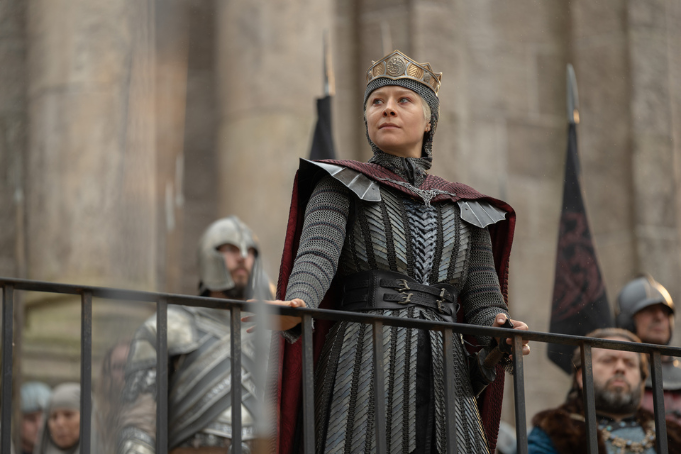
The existence of “A Knight of the Seven Kingdoms” and its magnificent House Targaryen armor keeps “House of the Dragon” Season 3 from taking the throne as the best “Game of Thrones” spinoff of 2026. But the latest season comes pretty close to reviving the aura of “House of the Dragon” Season 1 and making up for the abrupt, sauceless ending of Season 2. Yet, there’s something about Ryan Condal’s adaptation of George R.R. Martin’s “Fire & Blood” that holds it back from being truly great television.
As “House of the Dragon”’s penultimate season comes to a close, here’s a breakdown of what worked in Season 3, what didn’t and what could be improved upon in the final season, slated to arrive in the middle of 2028.
“House of the Dragon” Season 3: What Worked?
The writing this season had momentum
With Season 3, it looks like “House of the Dragon” finally woke up and chose to remember that it can wield fire and blood, and that House Targaryen has a relentless capacity for megalomaniac self-sabotage. Season 2 felt static because it kept key House of the Dragon characters sequestered at their respective locations (King’s Landing, Dragonstone, and Harrenhal). Season 3 is more dynamic in both location and character arcs. It moves storylines and people around, weaves in major character deaths and adds some fun new players into the mix for texture.
Related Stories
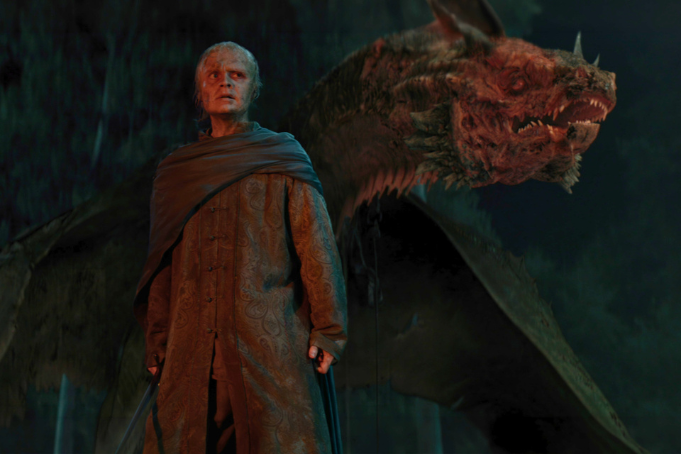
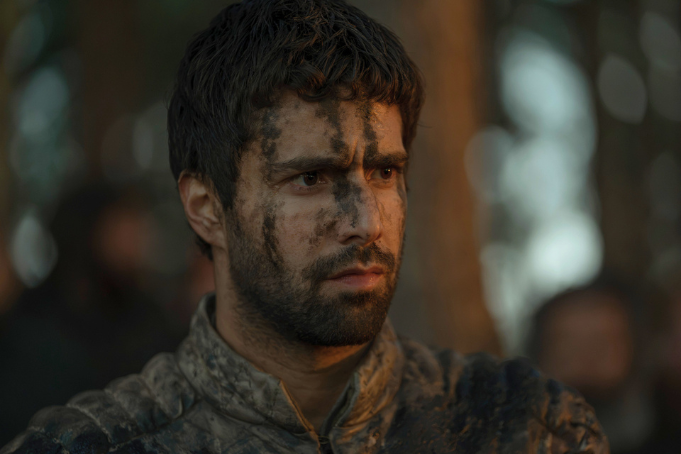
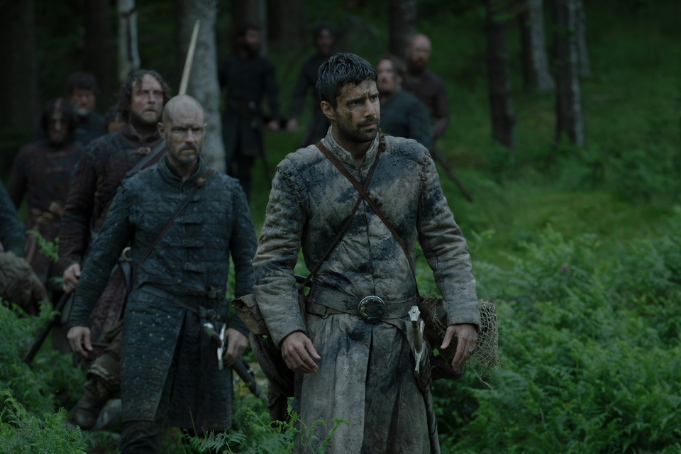
Season 2’s loss became Season 3’s gain with The Battle of the Gullet, which should’ve ended Season 2 with Prince Jacaerys tragic death, becoming an explosive starting point for Season 3, and the Battle of Tumbleton and the death of Helaena bookending it on an equally powerful note. This setup handled Rhaenyra’s descent into cruelty much more judiciously than “Game of Thrones” handled Daenerys’ descent into madness, incorporating actual costs of running a kingdom and waging a war into the toll on her psyche.
The writing also fleshes out how prophecy and power caused generational damage within House Targaryen that led to its downfall as rulers of the Seven Kingdoms. It all began with their failure as a family. The season drew interesting parallels between the relationships within the house of the Dragon: Rhaenyra and Daemon as wife and husband and queen and consort; Rhaenyra and Daemon as parents to their children; Alicent as a mother to Aegon, Helaena and Aemond Targaryen; Ormund Hightower and Gwayne Hightower as uncles to Daeron Targaryen and Corlys Velaryon as father to Alyn and Addam of Hull.
Performances and casting choices
Elevating Ormund Hightower to chief bad guy of the season and casting James Norton to play him as a cocky, classist snob paid off. Other notable casting choices were Tommy Flanagan as Roddy the Ruin, leader of the Winter Wolves, and Dan Fogler as Torrhen Manderly, Master of Coin, because they added some punch in the most unexpected places.
“House of the Dragon” has never had issues with performances; every cog in its wheel, including younger actors and the CGI-ed dragons, are on their A game. But notable mentions are Emma D’Arcy (she’s coming for that Emmy), Matt Smith (his Episode 8 battle pep talk was one for the books!), Tom Glynn-Carney (his “I’m alive!” will be everyone’s new vocal stim) and James Norton (Ormund Hightower was cocky in life and in death). Big props to Harry Collett for serving face in his last moments as Jace.
Popular on Variety
Dragons and lore
“House of the Dragon” continues to do a fantastic job of embedding details about dragons, their nature and the bond they share with riders. It’s different for each dragon — Daemon’s bond with Caraxes is the strongest, while Sheepstealer and Vhagar don’t always “Lykiri” and “Rybas” their riders. There are some spectacular scenes of dragons doing the most basic pet things, like Caraxes drinking water from the lake or when Syrax and Caraxes or Vermithor and Silverwing show affection as mates. The season also drops some interesting lore about Harrenhal in the final episode that might change how we think about the Children of the Forest and the Ice and Fire prophecy.
“House of the Dragon” Season 3: What didn’t work?
The biggest shortcoming of “House of the Dragon” continues to be its deviation from canon because it just complicates plotlines for no reason. It’s a vicious cycle of changing things up for shock value, which causes gaping holes in the story, which then leads to more shocking changes that are required to plug those holes.
The biggest examples are Rhaena Targaryen, who gets a totally different arc than the book; Aegon II Targaryen, who resurrects his dragon somehow; Alicent Hightower, who gets to be a part of a ridiculous assassination plot; and Heleana Targaryen, whose death loses some gravitas. These arcs, in turn, change the motivations for several interconnected characters, who then need newer conflicts to bring them to the same point as in the books. Meanwhile, characters like Otto and Gwayne Hightower, Baela, Rhaena, Helaena, Mysaria and the dragonseeds feel underutilized.
There’s also the matter of the series' need to prolong the Daemon vs Aemond showdown it has been building up to for two seasons now. Book readers know what’s coming, and Season 3 should’ve ended with the Battle over God's Eye; instead, it is now saved for the final season.
With one season to go, “House of the Dragon” Season 4 is bound to pack multiple punches and major character deaths in every other episode. Here's hoping it doesn't lose steam and alter canon for the sake of it.
















Comments are moderated. They may be edited for clarity and reprinting in whole or in part in Variety publications.