

Aug 23, 2026 2:00pm IST
‘Ramayana’ Actor Suhail Nayyar On The Future Of Acting In The AI Era: ‘AI Should Expand What Artists Can Do, Not Make Them Dispensable’ (EXCLUSIVE)
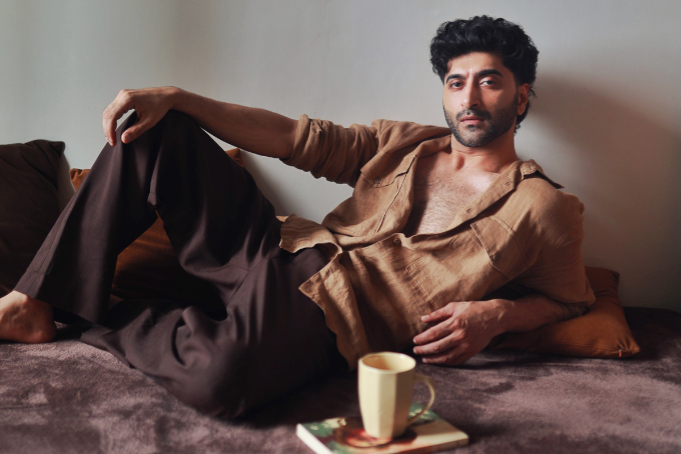
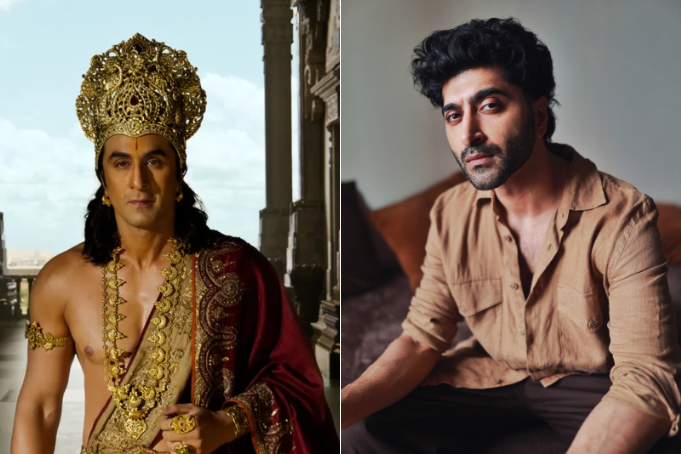
For Suhail Nayyar, his decade-long outing as an actor has finally led him to some of the coveted gigs in town. He’s playing Vanar Raj Sugriva in Nitesh Tiwari’s “Ramayana: Part Two,” a role he landed with help from casting director Mukesh Chhabra, after Tiwari noticed his work in the Netflix series, “Saare Jahan Se Achha.” He is also working in the Vir Das directorial “Baara Number.” In an exclusive chat with Variety India, the “Udta Punjab” actor talks about his career trajectory, what it takes to make it today in the streaming and film industries and whether he’d ever let AI use his likeness and voice to do his job for him. Excerpts:
You’ve had a decade in the industry and worked across mediums. How do you look at your journey so far?
I’ve been around for 10 years, and have done work I’m proud of. I’ve worked with people I never imagined I’d get to work with when I started. The more I work, the more I realize how much more there is to do. I still get excited by a great scene, a great director, a character that scares me a little. I know myself much better as an actor today. I trust my instincts more. I know what I can do as an actor. I know what I haven’t been given the opportunity to do yet. I feel like I’m in the middle of it, and I’m really enjoying where it’s going.
Related Stories
Is the casting process biased toward talent with a larger social media following?
It definitely enters the conversation now, especially when two actors are being considered for the same part, and one comes with a much larger audience. I understand the business of it. Producers are putting a lot of money into projects, and everyone is looking for an additional advantage. What I find questionable is when social media following starts being treated as a measure of an actor’s actual audience pull. They’re not necessarily the same thing. At the end of the day, investing in good writing and casting the right actors for the parts is what will eventually make the film better. A better film is ultimately the best business decision.
Do you feel that OTT is a saturated medium now, with streamers not taking risks and greenlighting the same formulaic stuff?
There are still great roles coming out of OTT, but I do miss the unpredictability of its early years. What made streaming exciting at first was that nobody really knew the formula. So people took chances. It still happens, but rarely. Now there’s more data, more pressure to deliver numbers, and naturally more attempts to repeat what has already worked. That happens to every medium once it becomes a big business. But you can never predict what works.
The shows that really break through are often the ones that weren’t trying to fit an existing template in the first place. So maybe it’s less about figuring out what the audience wants and more about making something good enough that they didn’t know they wanted it.
In “Dhurandhar,” Ranveer Singh’s Jassi/Hamza had a very similar vibe to your character Sukhbir/Rafiq from the series “Saare Jahan Se Achha.” How do you look at it? Do you feel your performance got its due?
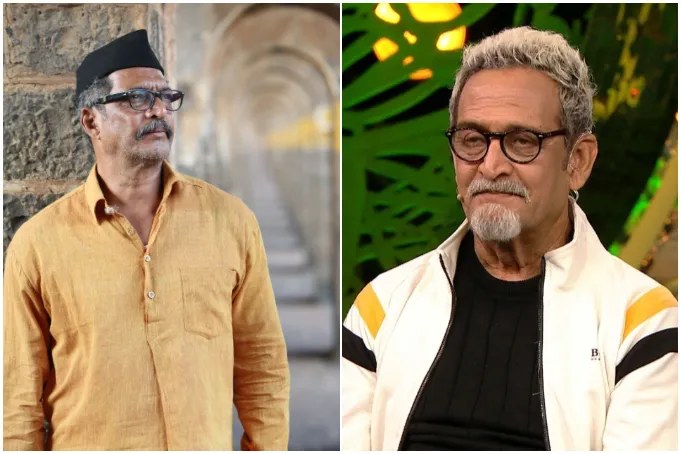
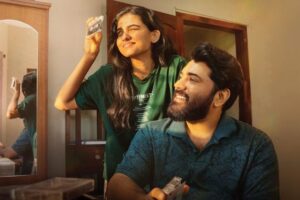
I could see why people made the comparison. Both characters are living under assumed identities, constantly performing one life while protecting another underneath. But they’re very different characters, and I thought Ranveer was fantastic. As for whether my performance got its due, I think it did. Manoj Bajpayee sir spoke about my performance in an interview, and that is something I’ll always hold very close. Of course I would’ve loved for the character to reach an even wider audience. But the work was noticed and it changed the way some people saw me as an actor. I couldn’t ask for more.
What’s next from you?
There’s “Udta Teer,” “Single Papa” Season 2, “Ramayana: Part Two”, and “Baara Number,” which I’m currently shooting. I’ve always wanted to move between different worlds rather than be confined to one kind of part. It feels like a very exciting phase for me as an actor.
As an actor, where do you stand on the whole AI debate in the industry? Would you ever license your likeness or voice for AI use?
I find AI fascinating, and I think resisting it altogether is pointless. It’s going to become a part of filmmaking, just like every major technological shift before it. The important conversation is about where we draw the line. For me, AI should expand what artists can do, not make the artist dispensable. Acting is deeply human. So much of a performance comes from instinct, lived experience, imperfections and choices that you can’t reduce to someone’s face or voice. Would I license my likeness or voice? Potentially, yes, but only with very clear consent, context and control over how it’s being used. I’d be far more interested in using AI to do something I physically couldn’t do than using it to create a performance I never gave.
Comments are moderated. They may be edited for clarity and reprinting in whole or in part in Variety publications.