



Sep 14, 2026 4:00pm IST
Raga on ‘India’s Got Latent’ Giving Young Artistes a Platform: ‘That’s the Gen Z Way of Making It Big’ (EXCLUSIVE)
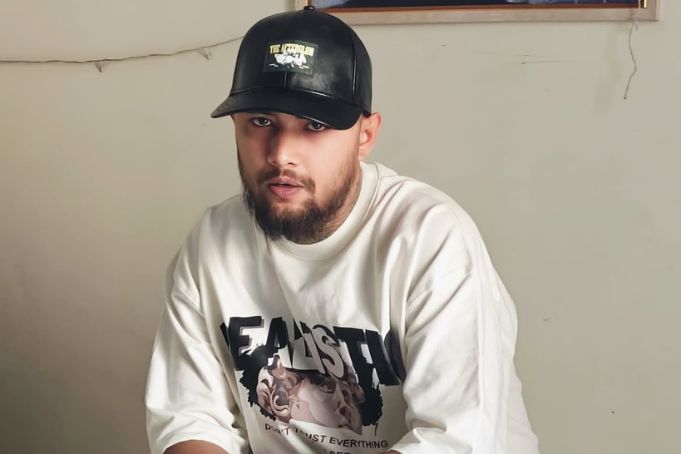
Raga is stepping away from the formula that first defined him with his new 21-track mixtape, “No Formula.” From Delhi’s underground hip-hop scene to collaborations with Seedhe Maut, Ikka, Panther and more, the rapper opens up about building his sound, staying true to his writing and why shows like “India’s Got Latent” are changing the way young artistes find an audience.
“No Formula” is a departure from the hardcore sound you’re known for. What made you want to break away from that with this mixtape?
The vibe is not hip-hop centric this time. That’s the main reason behind the title as well. It has “no formula.” Raga had this one formula - ‘wo aayega, kaano mein bhadkega aur chala jayega’ (He will come, explode in your ears and leave.) But that won’t happen in this one.
Related Stories
As this project has 21 tracks, why are you calling it a mixtape and not a full-fledged album?
I am not calling it an album because it's not concept-centric. Albums go in a sequence. A mixtape has tracks picked up from anywhere. It’s the ‘Raga shuffle.’
The song “Sab Set Hai” marked your collaboration with Panther. How did that happen?
It happened the same way “Galat Karam” happened. I got a sample and we went back and forth with it. The hook was solid but Panther wanted to change the drums. Then UZIII changed the drums and Panther dropped the verse. I did not make this track with the intent that it will go into the mixtape. Even with the other collaborations, the mixtape is very Delhi-centric.
Why did you want the mixtape to be Delhi-centric?
It has my kind of sound. This mixtape represents the sound that is in hardcore hip-hop tracks. Not the melodious ones.
What does a Delhi sound comprise, according to you?
The way we say things makes a difference. Youngsta has that vibe. The way he says things is very Delhi-centric. But Sambata has a different way of rapping. I love Mumbai slang, and I would love to do a different project with the rappers in Mumbai. But I was a little biased in this tape.
Your song “Police Brutality” came at a time when India was going through a chain of protests. What kind of headspace were you in when you created the track?
I had stopped creating tracks like these in the middle. People from two different sides are listening to you. So, either you take full responsibility and take a stand or you don’t. And that's what those protests did to me. I wrote the verse before visiting the protests.
Has being completely honest with your lyrics ever come at a cost?
Initially, it was difficult. When I started making songs at home, my elder sister would ask, “What kind of rapper are you trying to be?” That’s where the resistance started. But over time, they understood what I was saying and why I was saying it. I wasn’t trying to offend anyone, I was just saying things as they were.
Shows like "India’s Got Latent" are a big part of the youth culture now. Do you think they are giving young people a platform to express themselves?
Yes. I've heard that every talent being shown there is actually managed by a management agency. They get deals right after the show. That’s the Gen Z way of making it big. It was different during the time of the millennials. I am not saying this is the only way to get out there and promote yourself, but it’s helping many artistes.
Ikka recently said that he built his pen game, courtesy to Badshah. Who are your inspirations from the music industry?
I'd certainly say Bohemia. I love Eminem and Big L as well. But Bohemia and also Raftaar's "Thappad” made a lot of difference. That was the revolution. In the desi scene, there’s also Faris Shafi and Ikka. They can play with the language.
How much do music charts matter to you as an artiste?
I'm content as long as I'm creating. Numbers matter to the management and to my bank. I need the numbers to get into better platforms and perform on stages and stadiums. But it’s not my responsibility to think of the numbers right away. My responsibility is to create without expectation, and be true to what I am writing. I need to always feel like the kid who started writing, not the one who made it.
Popular on Variety
What is your take on artistes' voices being replicated through AI?
If it’s with consent and you are signing a deal with an AI company, it’s fine. But when it is without consent and you suddenly discover your voice in an AI website, that's crossing the line. Artists shouldn’t be left behind. Thankfully, it has never happened to me.



Comments are moderated. They may be edited for clarity and reprinting in whole or in part in Variety publications.