



Oct 09, 2026 2:55pm IST
Proposed 567% Tax Hike On Mumbai Screens Triggers Hindi Cinema; Industry Leaders Weigh In

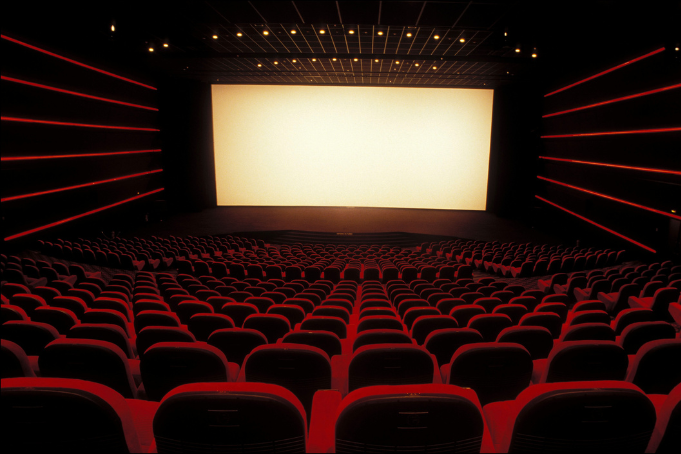
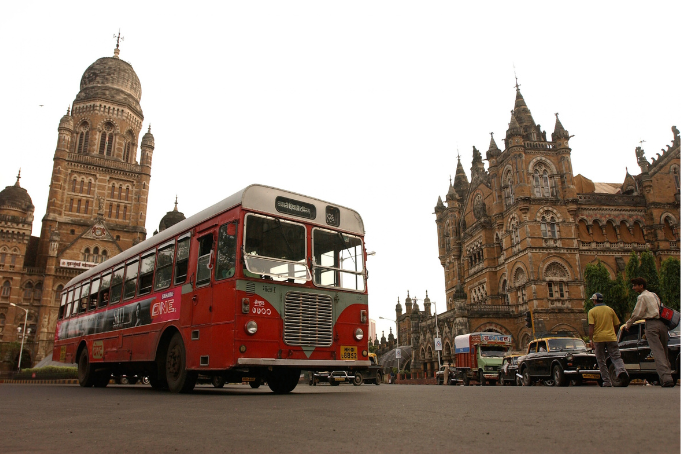
A proposal by the Brihanmumbai Municipal Corporation (BMC) to raise local entertainment tax on air-conditioned cinemas and multiplexes has sent shockwaves through India’s film exhibition sector. The civic body’s proposal to increase the tax levy from ₹60 to ₹400 per show — a massive 567% jump — threatens to burden cinema operators, alter pricing dynamics for moviegoers, and stall expansion plans in the country's entertainment capital.
The timing of the proposal has drawn significant sharp reactions from key industry stakeholders. Because the levy is charged as a fixed fee per screening rather than as a percentage per ticket sold, cinema owners face paying the full tax amount regardless of audience turnout. With Mumbai accounting for roughly 14-15% of national box office revenues and the broader Mumbai territory driving nearly 20- 25%, industry leaders warn that the move could ripple far beyond city limits, creating serious friction across the broader Indian film ecosystem.
Related Stories
‘Wrong example being set’
The Multiplex Association of India (MAI) has voiced strong opposition to the civic body’s plan, emphasizing that the sector is still regaining its footing after severe disruption during the COVID-19 pandemic.
"The jump from about ₹60 to ₹400 per show, that's a huge increase," said Kamal Gianchandani, President of the MAI. "Well, it's definitely a negative development. And it means that the tax goes up even for shows when we have lower occupancy, or even during weekdays when we don't attract a lot of admissions. It will also impact single screens."
Gianchandani pointed out that the steep increase directly contradicts efforts to expand screen density in an under-screened market like India. "Considering that Mumbai and Maharashtra are the hubs of the film business, it's a wrong example being set. Instead of supporting exhibition, this sort of step will have the exact opposite impact, putting brakes on our growth plans within Maharashtra and other states."
He added that pandemic losses remain unrecovered: "Cinemas are recovering from COVID, but losses suffered during the pandemic have not been recovered. At this point, cinemas need support from the government."
Concerns at play
Cinema chains are also raising procedural concerns regarding the tax structure. The imposition of localized show taxes complicates cash flow management, compliance, and distribution arrangements between theatre chains, film distributors, and property developers.
Devang Sampat, Managing Director of Cinépolis, highlighted how the tax conflicts with national policy goals intended to simplify business operations and streamline taxation across sectors.
"The major concern that MAI has is that whenever a tax implication comes in, it defeats the purpose of One Nation, One Tax," Sampat explained. "We are working towards ease of doing business, and this defeats both principles."
Sampat outlines the operational complications: "Operationally, it creates a huge issue to charge the customer and then divide it — paying GST, distributors, and developers. As an exhibitor, we are just a collecting agent distributing funds across. Hence, such a huge increase in show tax is not advisable."
At risk
Because the levy applies uniformly per screening, low-attendance shows — such as morning slots or weekday afternoon screenings — will incur disproportionately high tax burdens relative to ticket earnings. Exhibitors note that if cinema operators choose to pass this expense to consumers, ticket prices could rise by up to ₹10 per ticket. Alternatively, exhibitors absorbing the tax will see their already tight profit margins squeezed further.
"Morning shows and weekdays are currently priced much lower," Sampat noted. "If these shows lack high attendance, we'll have to increase ticket prices disproportionately. This may impact the window for local or small-budget films, except for exempt Gujarati and Marathi films."
The risk to single-screen theatres — a segment already struggling to survive — is particularly acute. Gianchandani warned that single screens "will be impacted heavily. This hike will push them further in the direction of closing." He added that "every little bit of increase in ticket price drops footfalls."
Reconsideration requested
The MAI has submitted official representations to municipal and state government authorities, urging them to halt the proposal before it is finalized and implemented.
"We are requesting the government to reconsider while it is still at a proposal stage," Gianchandani said. "We've requested a meeting. The government's stated policy is to improve the ease of doing business, but this move is the exact opposite."
Industry leaders stress that Maharashtra setting such a precedent could prompt similar civic levies in other regions, harming the broader cinematic landscape.
"There is a ripple effect of one tax being increased, and Mumbai being the hub of Bollywood sets a wrong precedent," Sampat concluded. "The cinema business is still struggling to reach pre-pandemic numbers. This step does not help increase screen density, which in India is already among the lowest in the world."
















Comments are moderated. They may be edited for clarity and reprinting in whole or in part in Variety publications.