



Oct 09, 2026 2:21pm IST
‘The Social Reckoning’ Review: This Aaron Sorkin Film Starts Out Competent, Comes Off As Complacent
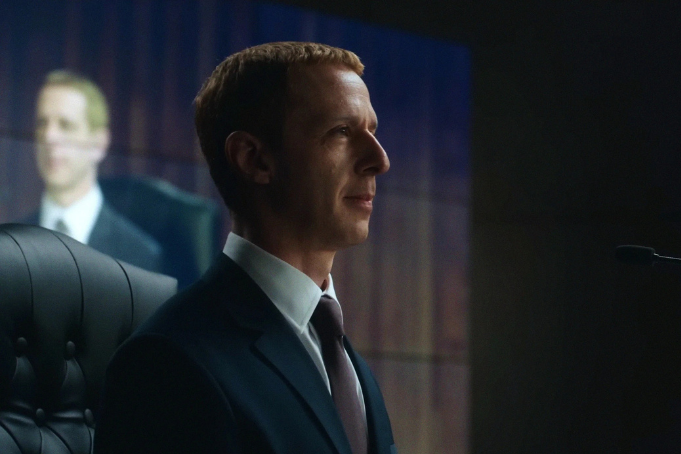
It’s been 16 years since Jesse Eisenberg played the young and socially awkward Mark Zuckerberg in David Fincher’s “The Social Network.” And much has changed since. Facebook became Meta. Eisenberg gave way to Jeremy Strong. And screenwriter of both films, Aaron Sorkin is now “The Social Reckoning”’s director.
And while it continues to remain the biggest social network there is, there have been other constants, too. The parting words of Marilyn Delpy (Rashida Jones) to ‘Zuck’ in “The Social Network”: “You're not an asshole, Mark. You're just trying so hard to be,” still rings true.
The warning signs appear in the film’s self-explanatory opening scene, aptly titled “Prologue - White Girl Wasted” where a radicalized white woman gets up in the face of two deputies making a routine check and an escalation ensues. The video, livestreamed by the woman, makes it to Facebook without appropriate context and commentary ensuring that it makes it to several hate groups on the platform.
Related Stories

The first chapter, “Cassandra” introduces you to Frances Haugen (Mikey Madison), who’s struggling with the moral dilemmas of going along with top management’s calls, instead of calling out what’s quite apparent: hate groups are taking over and mobilising new entrants using the platform she once loved and believed in. She tries getting a word in and never quite manages to.
Enter Jeff Horwitz (Jeremy Allen White), who has just joined the Wall Street Journal and wants to do an investigative piece on irregularities at Facebook. Trouble is, he doesn’t use social media and is pressed upon to sign up. He reaches out to everyone on Facebook’s Civic Integrities team, of which Haugen is a part (on LinkedIn, no less!). She responds and agrees to offer information as an anonymous source, because what’s happening over at her workplace doesn't quite sit right with her.
Between the two, they manage to mount enough pressure on the social giant to at least take cognisance and some level of responsibility for what they’re doing and the fallout thereof. Frances eventually turns whistleblower and that part’s known.
The most obvious question is, because this isn’t a direct continuation of the 2010 film and because the cast is completely different: Are comparisons justified?The straight answer? Yes.
At the same time, the ‘different strokes, different folks’ rule does apply. Sixteen years earlier, we lived in different times and our pressing concerns (privacy, integrity among other things) felt more personal and relatable. Zuckerberg edging out Eduardo Saverin and Sean Parker and blowing off any legal complications from the Winklevoss twins was something we all knew about and were privy to.
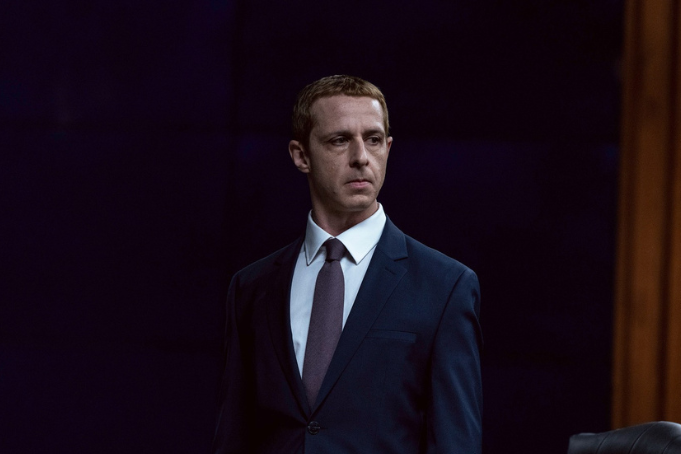
Now, with accountability and radicalisation and political instability at the heart of the conversation, there is a slight hint of indifference and unspoken fear in the air. The biggest tell is Zuckerberg, Horwitz and Haugen are in their own bubbles. The latter two are fighting the good fight the best way they know. Of the principal cast, Jeremy Allen White and Mikey Madison play those awkward, socially inept parts aptly and their banter is one of the film’s highlights. But Jeremy Strong as Zuckerberg comes off quite staid and seemingly dead inside, only coming alive in his scenes with Charlie Garrigan (played by Bill Burr). The sad thing is while he looks the part, his portrayal feels slightly undercooked.
Fincher is missed in this outing as are the Sorkinisms that outlast the films the screenwriter pens for. With Aaron Sorkin serving as writer, producer and director, this should have been a passion project, with the passion showing. But save for a couple standout dialogues, nothing sticks out. This offering is competent and yet, complacent at the same time.
Two observations do. Horwitz telling Haugen: “My bias against tech jobs isn’t that they’re taking jobs in journalism, it’s that you’re doing it so badly.” Even more telling is the realization: “People share what makes them angry.”
What makes you angry, however, is the nonchalance and indifference on display when Garrigan is told, “We don’t do heavy check [political] ads because we don’t need to” or when Billy Magnussen’s Teddy Marks dryly notes, “We’re pretty much government around here.”
Music-wise, Alexandre Desplat feels quite at odds with Trent Reznor and Atticus Ross’s score in “The Social Network.” It has its moments, but never quite wows you.
That’s just how the film, in general, plays out. The gags hit in places, as do some performances, but like Facebook, it’s just there. In your face, making noise, but never taking a stand.

















Comments are moderated. They may be edited for clarity and reprinting in whole or in part in Variety publications.