



Nov 23, 2026 6:00pm IST
Luv Ranjan On Collaboration With Ajay Devgn: ‘He Saw My Ambition To Produce And Took A Chance On Me’ (EXCLUSIVE)
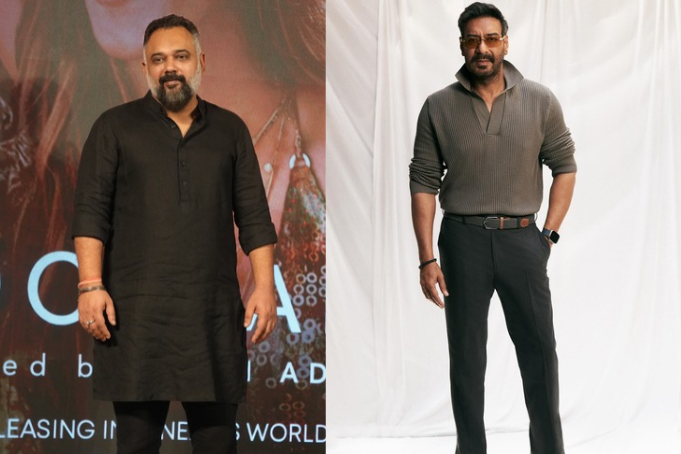
Known for directing hit youth romantic comedies, Luv Ranjan has steadily built an equally ambitious slate as an independent producer—spanning dark thrillers, franchise entertainers, and the upcoming Sourav Ganguly biopic. In an exclusive conversation, Ranjan reveals how a viral rumor led to Vikramaditya Motwane directing “Dada: The Sourav Ganguly Story,” why Rajkummar Rao’s acting chops mattered more than physical resemblance, his ongoing partnership with Ajay Devgn, and the box-office realities of backing passion projects today
Is it difficult for you to step back as a director and play the role of a producer on subjects like ‘Dada: The Sourav Ganguly Story’?
It isn’t difficult at all because I’m very aware of my strengths and weaknesses. Being a huge cricket fan doesn’t automatically make me the right director for a cricket film! A biopic like “Dada” demands a specific technical craft and discipline that I knew I wasn’t suited for.
How did Vikramaditya Motwane come on board to direct the film?
Ironically, it all started with an online rumor! Before we had ever met, an article reported that Vikram was directing the film. Months later, when we bumped into each other at a screening, we laughed about the rumor, which prompted a discussion about the script. Vikram loved the story, wanted to delve deeper into it, and then we officially joined forces. A fine atelier, but filmography doesn’t woo box-office numbers, his craftsmanship, nuance, and sheer quality of work are second to none.
Related Stories
What aspect of Sourav Ganguly’s life makes his story important as a subject?
The off-field dynamics and man-management behind Indian cricket. Ganguly transformed Indian cricket by introducing an aggressive, fearless mindset that redefined the team’s culture. His biopic highlights everything viewers missed behind commercial breaks—the boardroom politics, strategic field decisions, and the immense pressure of leading the nation.
Why was Rajkummar Rao cast to play Sourav Ganguly?
We just wanted a fantastic actor to play Dada. Because performance matters more than physical resemblance. Falling into the trap of only casting actors who naturally look like the subject limits biopics. Rajkummar Rao was chosen purely for his exceptional acting talent, ensuring the film captures the essence of the man rather than just imitating his appearance.
You haven’t directed Ajay Devgn despite producing ‘De De Pyaar De’?
Ajay sir showed immense trust in my journey as a producer at a time when I had only produced films that I directed myself. When I took “De De Pyaar De” (2019) to him with a new director, he saw my ambition to produce and took a chance on me. As a filmmaker at heart, he understands how to support new talent and grow the industry, and he deserves tremendous credit for backing my vision as an independent producer.
At what stage is your joint production starring Ajay Devgn?
The film is currently in post-production because it’s a massive, highly ambitious project with heavy VFX. Luv Films and Devgn Films are jointly producing it, with Jagan Shakti directing. Making a film on this scale requires an actor like Ajay, who respects the creative process and is willing to go the extra mile alongside the producers and director to get it right.
What draws you to produce a film that you wouldn’t necessarily direct yourself?
As a producer, I choose films based on what I like to watch as an audience member, not what I can execute as a director. For instance, I’m a huge Mohit Suri fan, but I don’t have the style to write or direct his kind of cinema. I don’t want my production slate limited by my personal boundaries as a director.
Does your directorial perspective ever clash with the director you’ve hired when you’re producing?
Not unless ego gets in the way. If you hire a director like Mohit Suri for a film like Malang, you step back because he is a master of his genre. A good producer contributes only what is necessary—if a project requires one discussion, you have one; if it requires ten, you have ten. If a film flourishes without your constant involvement, then your absence is your contribution.
How do you handle stepping in as a producer when you feel a film is going off track?
Stepping in requires effective man-management rather than a rigid, one-size-fits-all rule. Some directors respond well to direct critique, while others need a softer, more cushioned approach. As a first-generation producer, learning is an ongoing process with inevitable missteps. The key is acknowledging your mistakes immediately and moving forward rather than trying to cover them up.
How do you balance artistic passion with financial realities when producing multiple films?
You can’t ignore economics—production costs have doubled since Sonu Ke Titu Ki Sweety, and non-theatrical revenues constantly fluctuate. You have to balance risk across your lineup: out of four films, a couple should be low-risk, one medium-risk, and one a high-risk passion project. You can’t take crazy financial risks on all four under the excuse of passion.
What is the most important lesson the film business has taught you that film school never could?
Change is constant, and your last Friday has no bearing on your next Friday. Success can easily breed complacency if you assume your next film will automatically work, while failure can make people in the industry react differently to you. However, the audience treats every new film on its own merits—you have to work equally hard every single time without relying on past results.










Comments are moderated. They may be edited for clarity and reprinting in whole or in part in Variety publications.