



May 31, 2026 2:00pm IST
Spurred On By Satyajit Ray and Steven Spielberg, Bengali Filmmakers Bank Big On Detective Adventure Films
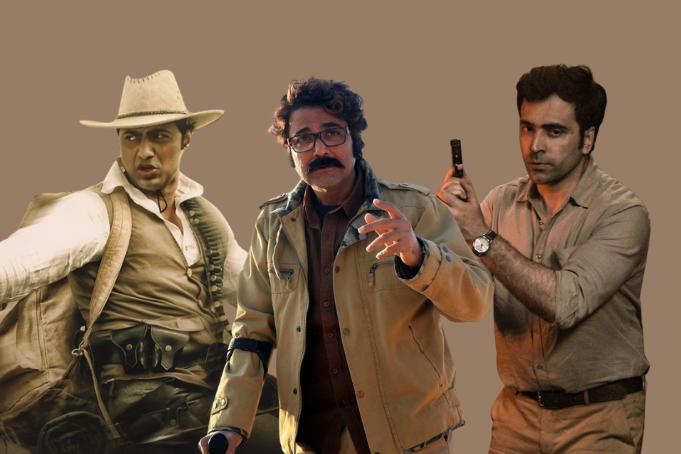
Abir Chatterjee’s latest film “Saptadingar Guptodhon” continues to run to packed houses in West Bengal with collections in excess of ₹7 crore so far and still going strong. The four films of the "Guptodhon" franchise have now made ₹25 crore in total (still running), making it the second most successful franchise in West Bengal film industry (the first being the “Shankar” franchise).
The "Guptodhon" movies, made on modest budgets, rely on the inherent content and fan base of the individual characters. Its success highlights how West Bengal’s film industry is thriving, thanks to franchise films. Compared to the Hindi or South Indian film industry, West Bengal franchise films cater to kids and young teens with stories based on detectives and adventure-seekers.
Filmmakers do not have to look far to seek inspiration to create the hero. From Sharadindu Bandopadhyay's Byomkesh Bakshi, Bibhutibhushan Bandopadhyay's Shankar Rai Choudhari (ShankarDa), Sunil Gangopadhyay's Kakababu series, West Bengal's literary greats have created iconic characters that can be easily imagined in modern cinematic adaptations. Modern directors who grew up simultaneously inspired by these storytellers and Steven Spielberg’s ambitious cinematic canvases are now spearheading some of the most bankable film franchises at the West Bengal box office.
Post 2010, the industry has slowly built IPs centered around detectives and adventure-seekers who also fit the ideals of an intellectual, curious, well-heeled Bengali bhodrolok (gentlemen). From “Guptodhon”’s Sona Da (Abir Chatterjee) to Dev Adhikari’s Shankar Ray Choudhari in “Amazon Obhijaan” and Prosenjit’s Kakababu, almost two generations now have celluloid heroes based on characters written by Bengal’s literary greats.
Related Stories
Legacy Writing Forms The Backbone
Filmmaker Kamaleswar Mukherjee of “Amazon Obhijaan” (2017), the highest grossing-Bengali film, and “Chander Pahar,” (2013), says, “Bengali cinema has a number of detective and Indiana Jones type adventure movies based on the literary works of our writers. There is hardly any homegrown content in this genre for kids or young teens in India. They search for such stories on OTT platforms. Bengalis love good story-telling and it is a generational thing. Considering that kids form a core audience, the release dates are also in the festive period or Christmas. I would like to add that while we do have such franchise films, there is a scope to create more mainstream content for kids.”
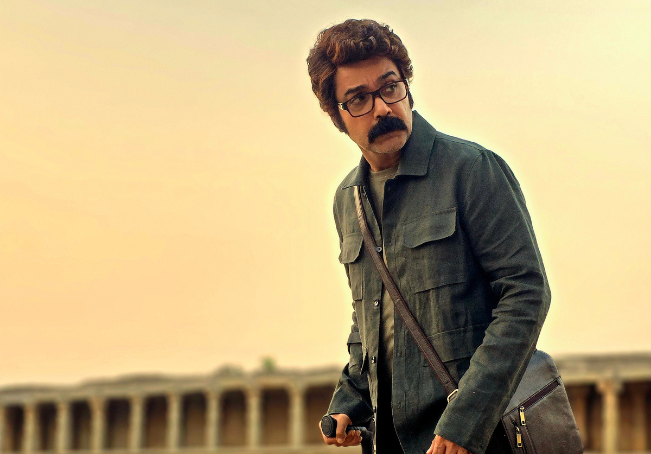
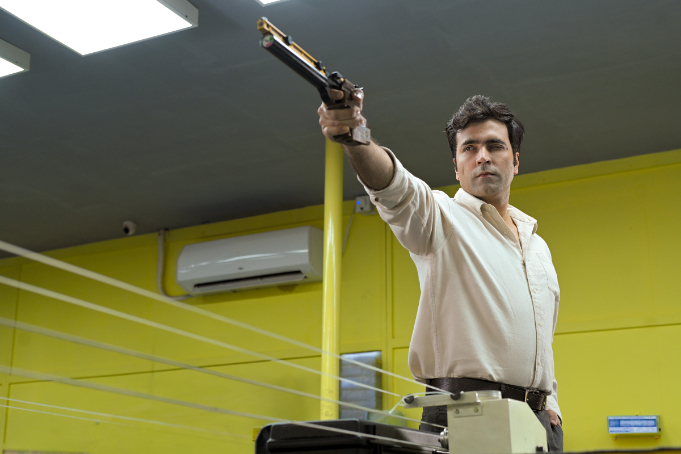
While Sona Da from the “Guptodhon series” is a creation of filmmaker Dhrubo Banerjee, he credits the state’s love for literature for its success. Having spent a large part of his life outside West Bengal, Banerjee reveals he was keen to showcase his roots in his films. He reflects, “We have a 100-year-old history of ‘Kishore Sahitya’ (books written for kids and young teens). However, we did not get a new literary character in the past few decades to capture the minds of kids. So, I made Sona Da, an intellectual adventurer but with the vibe of a friend. I was very certain that West Bengal would be the base of my treasure hunt stories. It was to give impetus to our history, nature and culture. I am a huge fan of the Indiana Jones series but I want my works to be set in my homeland, like Satyajit Ray. He made films around kids way before anyone else in India. You can say that making films for children is a part of our cinematic history.” In an earlier interview to Variety India, Abir Chatterjee describes Prof. Subarna Sen (Sona Da) as a modern version of Satyajit Ray's iconic detective, Feluda. "Sona Da is like what Feluda would be if he was placed in the current milieu," he says.
Budget No Bar
Getting an adventure-based film on the floor can be one of the most expensive expeditions for a producer. SS Rajamouli’s “Varanasi,” is estimated to be close to Rs 1,400 crores. In comparison, Bengali detective and adventure films have a maximum budget of ₹3-4 crore. Reflecting on this, Banerjee adds, “I would say that such constraints push me to refine my aesthetics in the most optimal manner. I knew this [shortage of funds] was something I had to accept when I decided to make these movies in Bengali. If I get a big budget it is fine, but the absence of it does not bother me. Even though Akira Kurosawa made big-budget films, he admired Ray’s works immensely. I take heart from that (chuckles).”
Mukherjee praises technicians whom he feels are the real stars of such projects. “It is their excellence that allows us to dream big. Cinematographers, sound recordists and production designers do their best with allotted resources. With a strong library of stories, we can definitely make pan-India movies but we need the money. We are seeing how South India has expanded because of its grip on technology and access to budgets,” he states. Most of these mystery and adventure films are shot in West Bengal, Assam, Sunderbans or Jharkhand.
Boon For The Box Office
Distributor Satadeep Saha, SSR Cinemas who has 45 screens in West Bengal explains how such franchises buoy the box office. “Around 20-25% of the annual yearly revenue comes from collections of detective or adventure films. The “Guptodhon” and “Byomkesh” franchises always do well. Around 70-80% of businesses for such movies are from Kolkata's theatres. Then, we have places like North Bengal, Durgapur and Asansol driving the business. The industry makes good films but lacks the resources to expand the canvas. Also, there is a shortage of cinemas in the state. This Durga Puja, we have a “Eken Babu” film (another detective franchise), and it is expected to do well,” he discloses.
Navin Choukhani, owner of Kolkata’s Navina Cinema also shares his perspective. “Detective characters like Feluda (Satyajit Ray) and Byomkesh Bakshi (Sharadindu Bandopadhyay) have had fans across generations. Sona Da of “Guptodhon” movies is a well-researched character and has a huge fan base despite a non-literary background. Yes, kids do form a large part of the audience but detective franchises also draw families and adults to theatres. Last year, we had only one film from the “Eken Babu” franchise. It contributed to 10-15% of the annual business. In 2018, Shiboprosad Mukherjee’s “Haami”, which was a kids’ film, did really well. Bengali audiences do support children’s movies if they find a good one,” he says.
Biggest Takeaways
While film-making is a commercial enterprise, actors and filmmakers reiterate that satisfaction from success of kid-friendly movies hits differently. Abir Chatterjee says, “My biggest high from the franchise as an actor and human being is that kids love it. I believe watching a movie together in a cinema hall builds a community. The very experience of laughing and crying together is priceless.”
Directors also highlight how they feel happy knowing such films create awareness around culture and history. “Parents complain that they have to read up as kids ask hundreds of questions after watching the “Guptodhon” movies. Everyone asks when the next movie is coming. While I may have started this treasure hunt genre in 2018, the foundation was laid down by our literary greats,” signs off Banerjee.














Comments are moderated. They may be edited for clarity and reprinting in whole or in part in Variety publications.