



May 14, 2026 7:10pm IST
Abir Chatterjee On Playing A Modern ‘Feluda’ in ‘Saptadingar Guptodhon’ and Popularity of Hyper-Masculine Heroes (EXCLUSIVE)
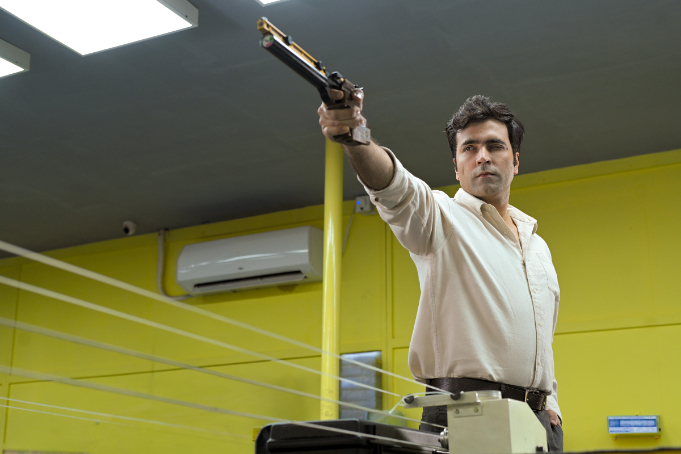
Bengali actor Abir Chatterjee’s release this week, “Saptadingar Guptodhon,” is the fourth film of the Sona Da franchise. In an interview with Variety India, the actor shares his views on franchise movies, the ‘Indiana Jones’ inspiration and why hyper-masculine heroes are not popular in West Bengal. Excerpts from the interview:
You are a part of two successful franchises, the “Guptodhon” and “Byomkesh Bakshi.” What makes such movies a safe bet in West Bengal?
For a franchise, if the first film is a hit, fans become familiar with the character and are curious to know what will happen next. After COVID, Indian viewers got used to watching web series, where there is a continuation of the storyline and characters. So, that style of storytelling is very popular now.
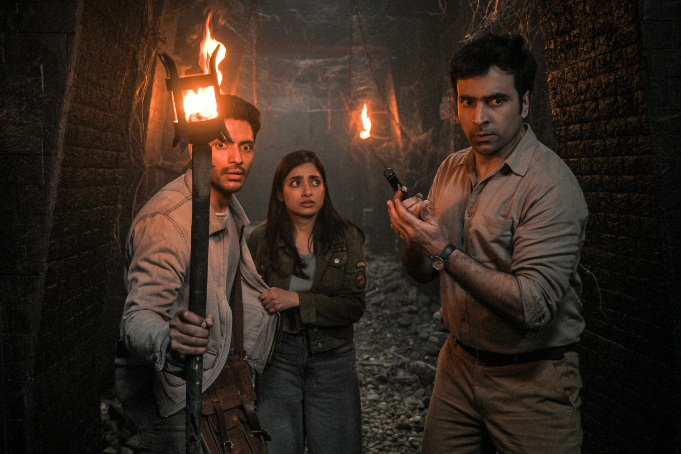
Having a successful blockbuster franchise in your filmography helps, doesn’t it?
There’s this tendency among filmmakers and actors that if a film is a hit, they want to follow it up with a sequel. I’m not very fond of that idea. If the second or third movie flops, you lose the brand value and charm. I feel the industry needs fresh stories. But as an actor, I choose from what is offered to me.
Related Stories
How would you describe the character Sona Da to the non-Bengali audience?
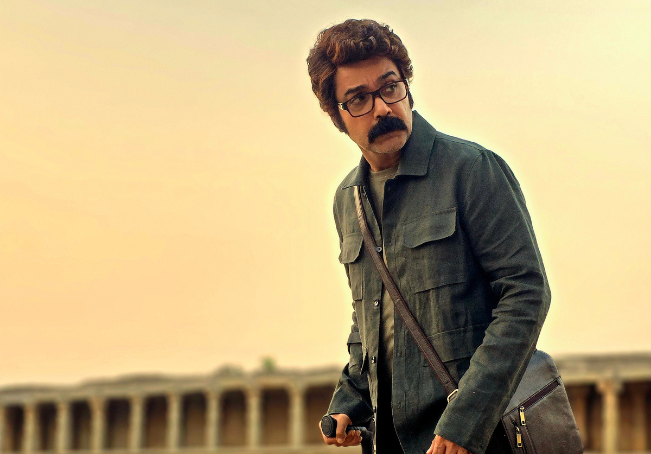
Prof. Subarna Sen, aka Sona Da, my character is a true-blue Bengali at heart. I would describe Sona Da as friendly, rooted and morally upright. Subarna Sen is a history professor, but he doesn’t live in the past. He believes that people can move ahead in life only if they are aware of their roots, heritage and culture. When the team initially wrote the character in 2017 for “Guptodhoner Sondhane” (2018), Dhrubo Banerjee (director/co-writer), Subhendu Dasmunsi (writer), and I envisioned a modern version of Feluda (the fictional detective character created by the late Satyajit Ray). The idea was to make a character that felt like a modern spiritual successor to 'Feluda', one kids of this generation would identify as the hero as their times. It was our tribute to the iconic literary character.
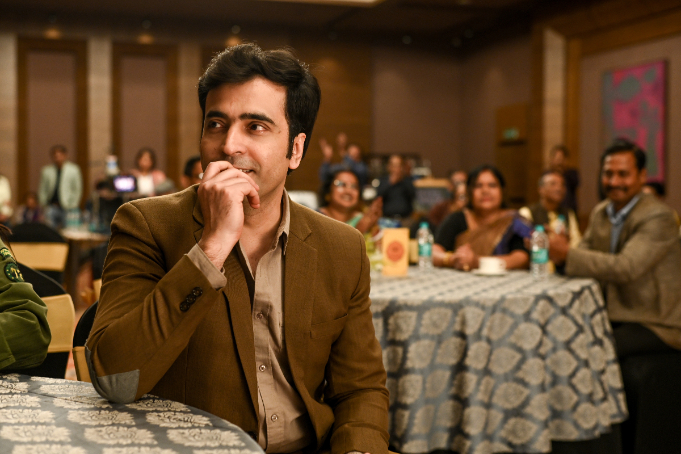
Hyper-masculine heroes have been dominating the box office, while Sona Da is more of an intellectual adventure-seeker.
I understand the term “masculine hero,” but for a Bengali, masculinity is somewhat different. It is our responsibility to maintain that standard. Sona Da is very physically agile, but at the same time, intellect, education and empathy come first for him.
You have been a part of the industry since 2009. Do you worry about the box office numbers of your films even now?
I used to, but I don’t anymore. I am not a producer, so the real box office numbers are not under my purview. Yes, box office figures give you an idea of how many people are watching the movie, but there are different factors that influence this. I want audience feedback, which I get from social media. I also do a lot of TV shows where I interact with people. My close circle is not from the industry. I focus on the audience’s vibe and how much they liked the film. Box office figures are like a mystery to me, and I do not wish to solve it.
Theatre owners in West Bengal complain that very few Bengali films are released in a year. What are your thoughts about their complaint?
I kind of agree with this, but I do not wish to get into a zone where the talk is just about numbers. But yes, filmmakers need to make more films that are interesting. Also, it’s not only the industry’s responsibility but also the audience’s to watch more Bengali films year-round. A producer knows that if they release their film during Durga Puja, people will watch it. The mood is joyous and watching a few Bengali films is on everyone’s to-do list, even NRI Bengalis who come home for the festival. With multiple releases, the audience gets divided. My belief is simple: You have to work hard and bring out innovative new stories.
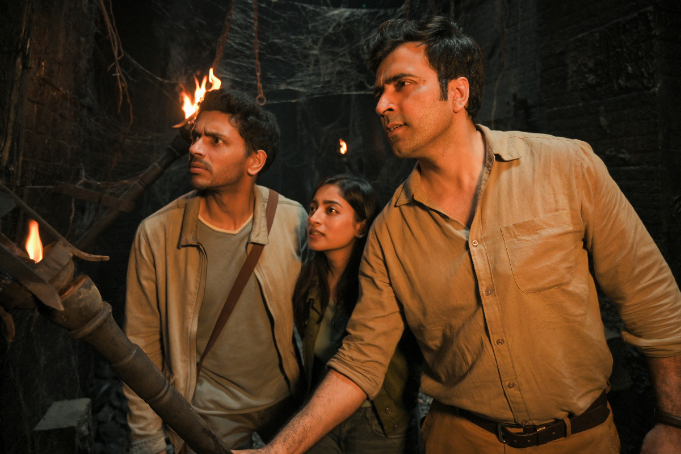
The “Guptodhan” films have the vibe of a localized version of Indiana Jones. Why did the team never view it as a pan-India franchise?
Our idea was to make a Bengali film that talks about our state’s lineage, heritage, culture, and history. All four adventures revolve around Bengal and our history. The initial inspiration behind the films was Steven Spielberg’s “Indiana Jones” and Nicolas Cage’s “National Treasure” franchises. They are telling their stories, and we are telling ours.




Comments are moderated. They may be edited for clarity and reprinting in whole or in part in Variety publications.