



May 14, 2026 3:45pm IST
Mohit Takalkar On Balancing Films And Theater: ‘I’m Still Figuring Out My Relationship With Acting’
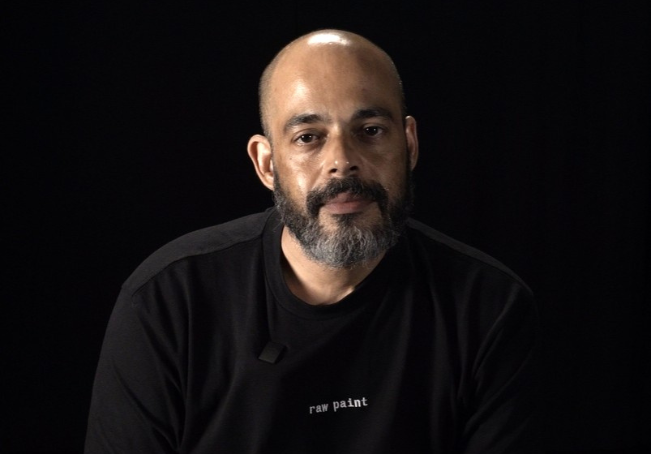
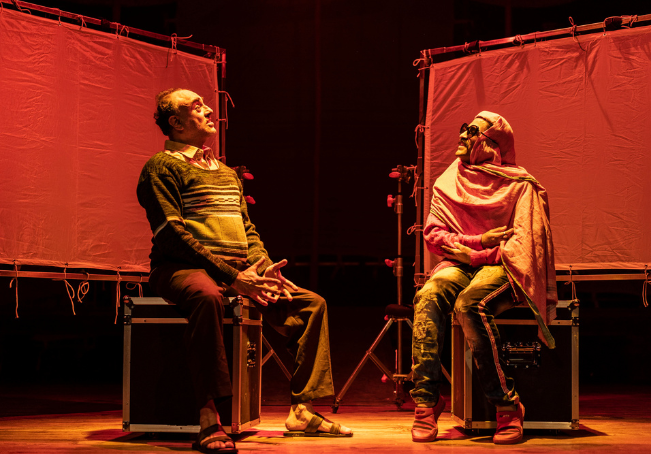
Critically-acclaimed theater director, filmmaker and sometimes-actor Mohit Takalkar is quite the maverick in his field. The founder of Aasakta Kalamanch in Pune often delves into uncharted territories, creating experimental plays and bold independent cinema. On stage, plays such as “Chaheta,” “Hunkaro,” “Anatomy of a Suicide” and “The Nether” have pushed boundaries. Takalkar has had a long-standing association with Aadyam Theatre, the platform that offers scale, resources and access to a wide audience. In his third outing with the group, “Dil Ka Haal Sune Dilwala,” an adaptation of Sarah Ruhl’s “Dead Man’s Cell Phone,” will be staged across Delhi and Mumbai this May and June. In conversation with Variety India, he talks about straddling theatre and cinema and how the two mediums impact him as a director and actor.
What appealed to you about “Dead Man’s Cell Phone”?
Its absurdity, but has an emotional undercurrent beneath it. It creates a whimsical world filled with fractured people trying and often failing to connect. I was also interested in placing the play in the Indian context. What makes Sarah Ruhl’s writing distinctive is how she holds darkness with lightness. There’s wit and humor and a refusal to treat brokenness heavily. That tonal contradiction was exciting to explore. It doesn’t feel culturally distant either. A dead man’s phone ringing endlessly belongs as much to Mumbai as anywhere else, perhaps more. The city’s excess, its layers, its constant movement, all of that expands the texture of the play without altering its structure.
It’s been a while since you directed something playful…
The play appears playful but deals with complex emotional terrain. Humor demands precision. Rhythm and intention have to be exact. So, the process was just as rigorous, only in a different register. I got a lot to learn. Chirag Khandelwal’s translation was key. The humor feels organic, emerging from how people speak and interact, rather than being imposed.
Related Stories

You’ve said earlier that your work isn’t meant to be inaccessible. Will this play reach a wider audience?
I’ve never been interested in inaccessibility for its own sake. Clarity is not simplification. You can engage with complex ideas without excluding the audience. This play has an immediate entry point. It’s humorous, strange, and engaging, but it still carries emotional and philosophical depth. It may reach audiences who associate my work with something more intense, but it comes from the same place.
How has your theater background impacted your work on screen?
Theatre has had a strong impact, especially in a culture where artists move between mediums. It teaches discipline, listening and ensemble work. Cinema demands restraint, stillness and interiority. I don’t see them as opposing. Theater gives patience and a deep relationship with rehearsal. Cinema sharpens decisiveness and the power of the frame. Theater allows time, cinema demands decisions. Working across both keeps the process alive. Staying in one grammar for too long creates habits. Moving between mediums forces renewal.
Your Marathi film “Toh, Ti ani Fuji” explores modern love….
‘Toh, Ti Ani Fuji’ wasn’t about defining modern love but observing it without judgment. It comes from a recurring question: What does love look like today? I’ve seen and experienced relationships where people know something isn’t working but continue trying. Not because there isn’t love, but because of a common mistake, reshaping oneself to fit the other person. Love can push you toward growth, but it shouldn’t require you to disappear. That confusion is where many relationships break down. I wasn’t interested in concluding that very different people can’t stay together. The more compelling question is whether two people can remain together without losing themselves. The film sits inside that question. It also looks at what happens after failure, whether distance allows understanding, not resolution, but clarity.
Your role in “Kennedy” was appreciated. How was working with Anurag Kashyap?
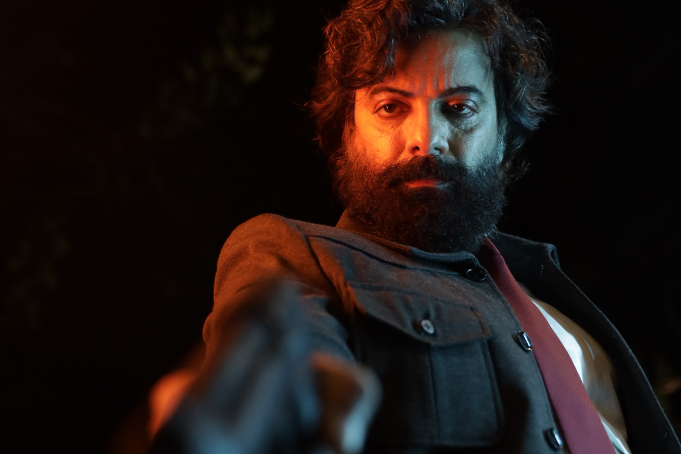
In “Kennedy”, I play Rasheed Khan, a corrupt police commissioner who operates comfortably within moral decay. He’s calm, strategic and doesn’t see himself as a villain. Working with Anurag Kashyap means entering a morally complex world. He doesn’t spoon-feed psychology and expects actors to arrive with their own internal logic. His cinema refuses moral comfort, which demands rigor and honesty. You can’t fake your way through it.
What do you enjoy about acting?
The projects I’ve acted in, “Kennedy,” “Raavsaheb,” “Godavari,” “Raja Shivaji,” and “Gramchikitsalay”, among others, have all been distinct. What I enjoy is the shift away from control. As a director, you’re constantly shaping. As an actor, you surrender to other people. I’m still figuring out my relationship with acting. It requires a different discipline and clarity. For now, I approach it lightly, without the pressure of building a career, which frees me. My background as a director and editor does influence me. I’m aware of rhythm and framing, sometimes even observing the construction of a shot. That can help, but also distract. To grow as an actor, I’ll need to let go of that and stay fully present. It has made me an even more empathetic director. I understand how vulnerable an actor is. But as an actor, I’m still learning how to participate rather than control.





Comments are moderated. They may be edited for clarity and reprinting in whole or in part in Variety publications.