



Jul 14, 2026 1:32pm IST
Lights, Camera… Chaos: The Curious Case of Christopher Nolan’s Mumbai Premiere
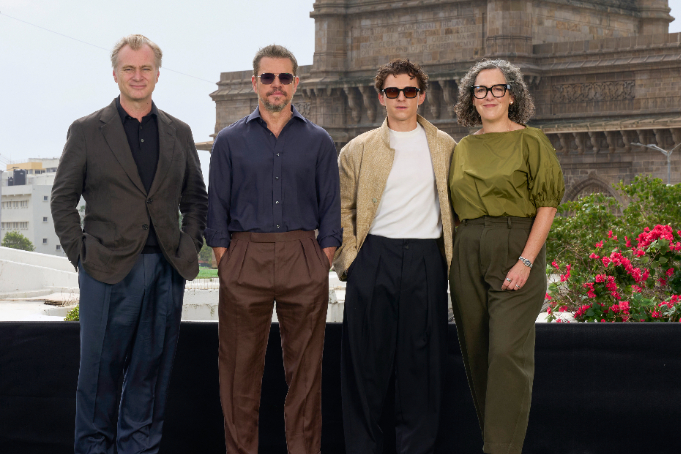
Christopher Nolan’s arrival in India should have been a landmark moment. One of Hollywood’s most celebrated filmmakers was in India, the world’s largest film-producing nation. There was an opportunity here to have conversations about cinema and an exchange of ideas and ideologies with veterans in the Entertainment media. However, the event was reduced to photo ops. The choice of interaction with the Hollywood biggies was confusing. Fashion magazines were given preference over film magazines. And influencers were given a seat in the option preferences over film writers.
One of cinema’s biggest theatrical markets was finally hosting a global premiere of this scale. It was an opportunity to show the world, but the end result was a disaster of epic proportions. The event was mismanaged, chaotic, and disastrous.
For movie lovers, the excitement was genuine. Being in the same room as Nolan, Matt Damon and Tom Holland would have been a forever cherished moment. A film years in the making, built on imagination, craftsmanship and immense effort, deserved an equally extraordinary welcome.
Related Stories
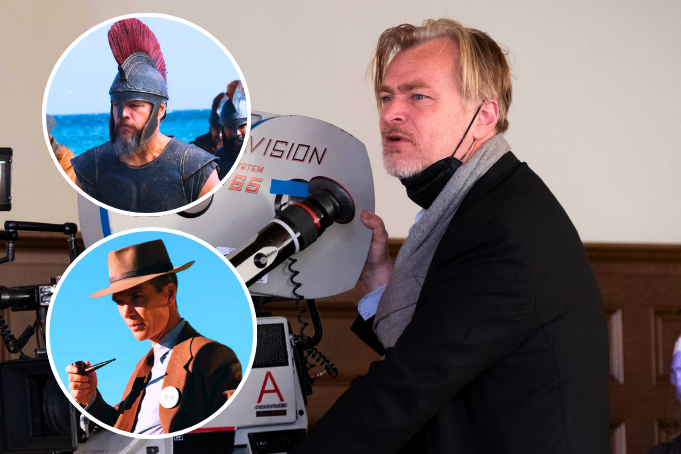
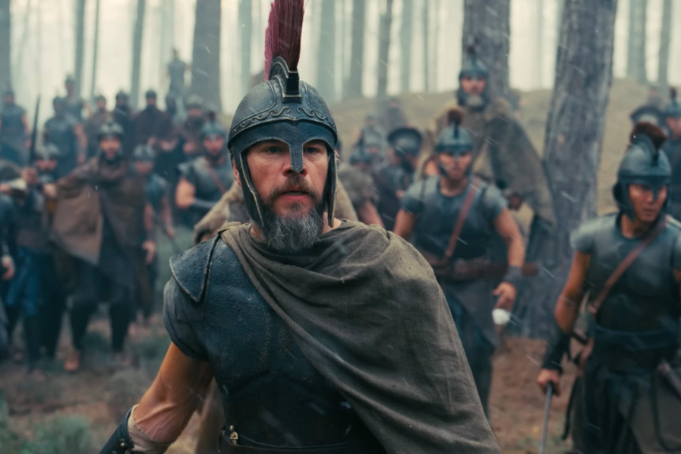
Instead, what unfolded was a lesson in how not to host a world premiere. Having attended international junkets and premieres across the globe for two decades, I expected India to put its best foot forward. We had received detailed instructions, reporting times and warnings that the gates would close promptly. Efficiency, it seemed, would be the order of the day.
It was not. Outside the venue, dozens of journalists stood confused and exhausted, with little idea of where to go or whom to speak to. The PR agency handling the event was nowhere to be found. The media queue existed, but the people meant to manage it did not.
Beside us was the fan line, full of energy and anticipation. Some carried handmade placards, others props inspired by the film, all hoping for a glimpse of Nolan and the cast. They deserved a memorable experience.
So did the media. Instead, there was pushing, shoving and general disorder. Senior editors were left unattended while others simply walked past the queue. The system seemed to reward confidence over coordination. If there was one, it was not visible.
Eventually, we entered the auditorium, were handed an IMAX camera-shaped popcorn bucket and a drink, and shown to our seats. The merchandise was impressive. The logistics were not.
Thankfully, the film reminded everyone why they were there. For a few hours, the chaos outside disappeared. Nolan delivered exactly what audiences expect from him. After the screening, Christopher Nolan, Matt Damon and Tom Holland briefly addressed the audience and shared anecdotes about making the film. It was a welcome glimpse of what the evening could have been.
Popular on Variety
Then came the press conference. Journalists were told that questions would be selected through a lottery system. Submit a question and hope for the best. There was no guarantee anyone would actually get to ask one.
That was unusual enough. More surprising was the instruction that members of the press could neither record audio nor capture video. Instead, the agency would record the session and distribute the material later.
In more than twenty years of covering entertainment, I have never encountered a press conference where accredited media were barred from documenting the conversation and told to rely entirely on agency-issued footage.
Embargoes on reviews are standard industry practice. Embargoes on journalism are not. The irony is hard to miss. India has long wondered why Hollywood reserves its biggest premieres and press events for other territories. Events like this offer part of the answer. Hosting a global premiere is not just about bringing stars to a city or generating social media moments. It is about respecting the people whose job is to document it and the fans who have waited years for it.
Neither group deserved such poor organization. The responsibility does not lie with Nolan or his team, who, by all accounts, embraced their time in Mumbai, from interacting with audiences to enjoying chai at an Irani cafe. It lies with the agency entrusted to execute an event of this magnitude, which too often appeared absent, unprepared and unaccountable.
India proved it can attract one of cinema’s greatest filmmakers. The next challenge is proving it can host him. Because while Team Nolan left Mumbai with fond memories, the media and many fans were left with something far less glamorous: the feeling that they had been invited to a celebration but were handed only the leftovers.









Comments are moderated. They may be edited for clarity and reprinting in whole or in part in Variety publications.