



May 24, 2026 6:00pm IST
‘Shape of Momo’ Filmmaker Tribeny Rai On Representation And Rejecting Perfect Heroines
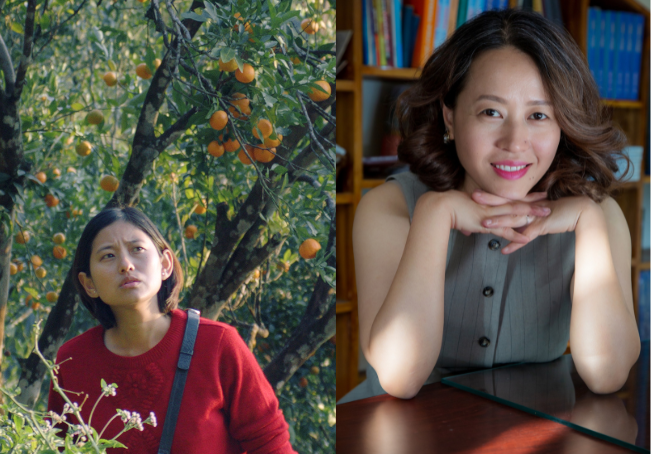
The landscape of independent Indian cinema is undergoing a shift, spearheaded by distinct regional voices. Among the filmmakers at the forefront of this movement is Tribeny Rai, whose award-winning debut feature, “Shape of Momo,” written by Kislay and Tribeny Rai, arrives with formidable momentum. Executive produced by Zoya Akhtar, Reema Kagti and Payal Kapadia, and distributed by Spirit Media, the film releases in cinemas on May 29, 2026.
“Shape of Momo” follows Bishnu, 32, who quits her city job to return to her ancestral Himalayan village. There, she faces mounting family pressures and rigid societal expectations. Awaiting her are her grandmother, who hopes her son will return from Dubai, her mother, eager to see her married, and her pregnant sister Junu, seeking refuge from her in-laws. Finding the remaining women trapped in apathy following the deaths of the family's male members, Bishnu is caught between tradition and her desire for independence.
Below, Rai discusses her filmmaking journey.
You picked an interesting title for the movie. Did it take you much time to come up with it?
No, actually, I did think about the name a lot because it kept changing. It was towards the end that we locked the title. I was considering using the title of a very famous poem called “Among Women.” But eventually, “Shape of Momo” really resonated with the film's theme, and we agreed to stick with it.
It's also shot in areas you've grown up in, right?
Yes, the two villages you see are the villages where I grew up. The house in the film is my own house. People don’t always understand what shooting entails, so nobody would have allowed me to shoot in their home if they knew the reality of filming. Emotionally, shooting there really affected the entire crew and the process. Knowing that these are the places where the characters partly lived and experienced things really helped.
Related Stories
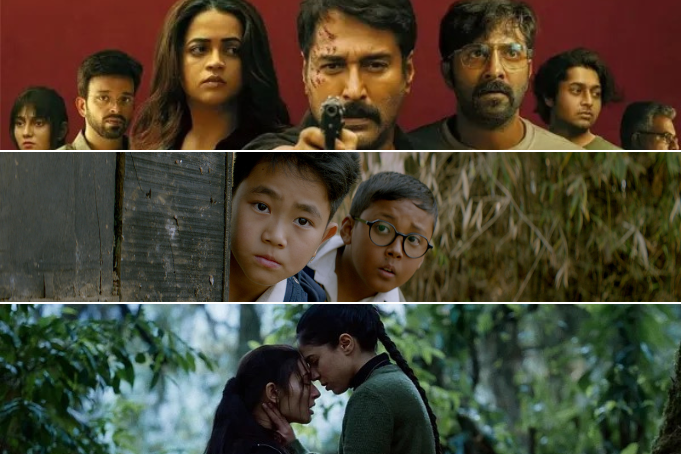
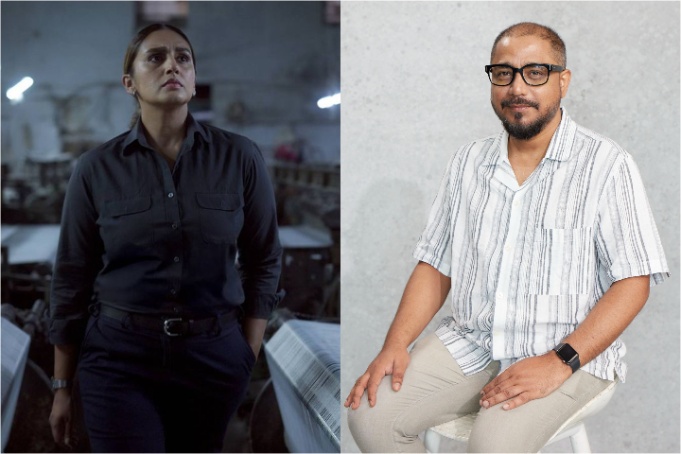
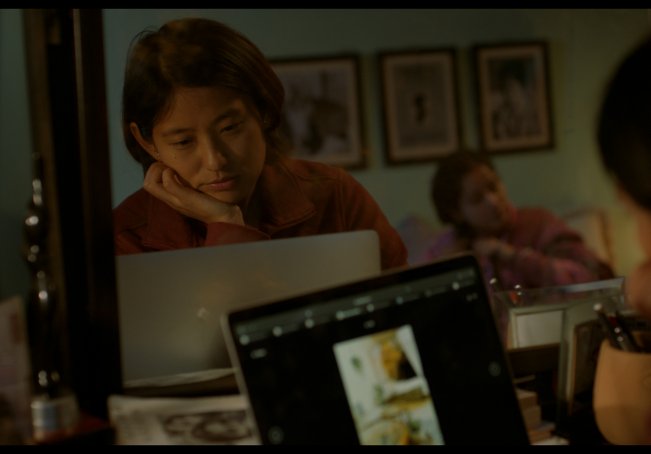
This story is very personal to you. Which characters do you relate to most? Do you have pieces of your personality in everyone?
Many individuals who have watched this film feel they can't just be Vishnu, Junu, or the mother. We have part of ourselves in each character. That’s why the film has resonated with people; everybody finds something in a character that they deeply connect to.
For me, especially coming from a place like Sikkim, you just can't be solely strong-headed like Vishnu or conventional like Junu. To navigate society today, we have to be a little bit of everything. When I say this film is personal, it comes from my experiences and those of the women around me. But when writing the screenplay, we had to keep in mind not to make it “too” personal, instead trying to find ways to make the script layered and complex.
Tell us about writing Vishnu. Why did you write the protagonist the way she is?
Growing up, I did not see a character like her on screen. Even in world cinema today, sometimes you do not find characters like her. That was one of our biggest challenges when traveling with the film, because she is not a protagonist you can easily empathize with or cheer for from start to finish.
For us, it was very important to create an imperfect character. Whenever women are represented on screen, there is a certain expectation. We only root for them if they are nice, righteous, or an epitome of sacrifice. That brings a lot of pressure on individuals growing up. If we saw real representations of how complex humans are, sometimes too selfish, sometimes too critical, it would take off the pressure of being perfect just to exist.
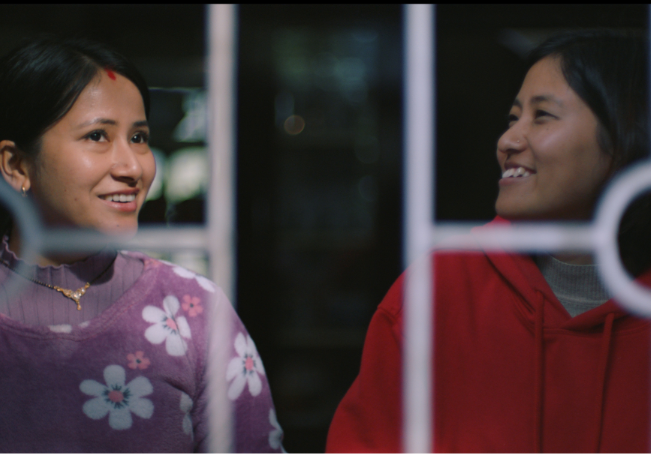
How did you find actor Gaumaya Gurung, who plays Bishnu?
My primary reason to make this film was representation. Growing up, I never felt like the heroine or hero looked like me. My priority was to find someone who looks like me. Two friends suggested Gaumaya’s name, but I don't romanticize the casting process, I go through auditions. Luckily, she auditioned for both the sister and the protagonist. She is from Nepal but lives partly in London.
Having Nepali women from my community as actors really helped because they brought in their own experiences. They knew the nuances and exactly what I was trying to say. The protagonist herself was going through a similar experience, which helped me immensely as a director. When traveling to markets, people even mistook me for the actor.
What do you want audiences to take away from the movie?
I don’t want to give out a message. Some people have said the film stayed with them for days. That is the biggest reward. The biggest takeaway for me has been when women walked up to me after screenings and said, "This film is my life. How did you know?" When you tell a story from a place of honesty, it becomes universal.

Comments are moderated. They may be edited for clarity and reprinting in whole or in part in Variety publications.