



Jul 06, 2026 6:58pm IST
‘Satluj’ Co-Writer Niren Bhatt: ‘If ‘Kashmir Files’ Can Exist, Why Is Our Film Weaponized As Anti-National?’ (EXCLUSIVE)
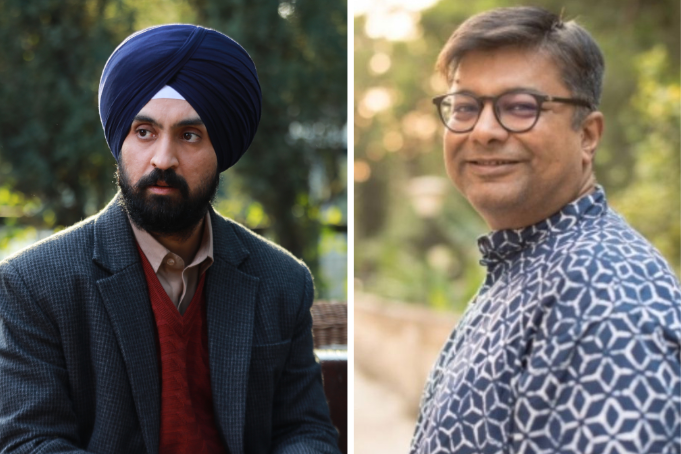
When the biographical drama “Satluj” unexpectedly went live on ZEE5 on Friday night, it felt like a miraculous end to an exhausting three-year war. Originally titled “Panjab 95”, the film had spent years caught in a vicious cycle of controversy, facing an unprecedented 127 cuts from the Central Board of Film Certification (CBFC). The sudden, unannounced digital drop sparked a brief 48 hours of celebration, a moment where it seemed the truth about human rights activist Jaswant Singh Khalra had finally broken through the gates.
By Sunday evening, the joy was ruthlessly wiped away. ZEE5 abruptly pulled the film in India, vaguely attributing the blackout to "current developments" and stating that the movie would remain unavailable until further notice.
For Niren Bhatt, the co-writer of the film, those two words are a thinly veiled code for top-down pressure. "Developments surely means they are being asked by someone to pause it," he says in an exclusive chat with Variety India. "It is clear that someone in power to do so, whether at the CBFC or the Information and Broadcasting Ministry, has stepped in."
When pressed on who exactly is driving the erasure of "Satluj", Bhatt points directly to an invisible, unaccountable wall within the machinery. "I feel someone in the establishment has a massive problem with it, but the real issue is the complete lack of communication," Bhatt states. "For years, it has just been pure stonewalling. There is pin drop silence from the CBFC. They will not tell us what their problem is, which parts offend them or who is making these calls. Even now, ZEE5 issues a statement about 'current developments' but cannot explain what those developments actually are. If there is a problem, let us have a dialogue. But how can you have a dialogue when they just silently remove your work?"
Related Stories
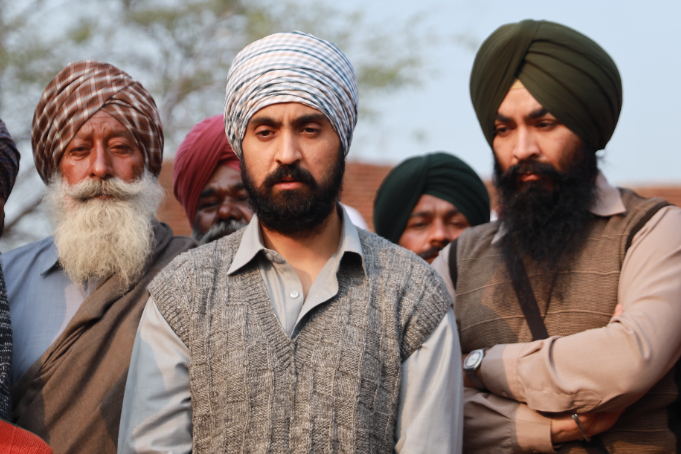
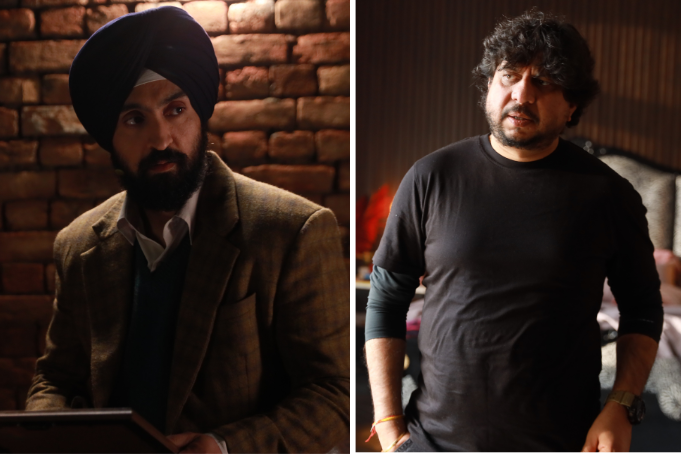
"Honestly, we only found out on Friday evening when we got a message saying it was live," Bhatt reveals. "No one had a clue. We had completely given up hope that it would ever release. Honey (Trehan) was in talks with RSVP, but even he did not believe it would actually happen until it dropped. For the last four years, we have lived with these endless cycles of conversations, so when it finally went live, I genuinely believed it was safe."
Unlike leading man Diljit Dosanjh, who publicly voiced apprehensions during an Instagram Live that the film might be pulled down by Monday, Bhatt initially felt the film was out of the woods because of its inherent lack of malice.
"I firmly believe there is absolutely nothing objectionable in this movie," Bhatt states. "This is a film about a bank employee, a common man who showed enormous valor by fighting for the families of people who were extrajudicially abducted and killed. He was fighting for something as fundamental as death certificates so that grieving widows, old parents and young kids could claim their land and bank accounts. There is nothing political about it. It is a human rights story. The overwhelming audience reaction before the blackout proved that: people were just asking why this perfectly human narrative was stopped for years."
Bhatt is particularly scathing about the narrative floating through certain circles claiming that the film could be weaponized by "anti-India forces" or international elements to create unrest.
"That argument simply does not hold," Bhatt fires back. "If “The Kashmir Files” can exist, if “The Kerala Story” can exist, why can they exist without being labeled tools for international forces? Why is our film the chosen one that will suddenly be misused by extreme elements? You cannot jump to far-fetched, paranoid conclusions just to suppress a straightforward biography. It makes absolutely no sense."
The strategy to suppress the film has already backfired, triggering a massive wave of global curiosity and predictably driving viewers toward illicit means to watch it. Because “Satluj” remains available to the international diaspora, pirated links have begun flooding Indian social media circles.
"Banning or restricting content is a false move because it only triggers immense curiosity," Bhatt explains. "People loved the film. There are thousands of videos and tweets from viewers saying they broke down or were left speechless. When a movie evokes such a profound emotional reaction, word of mouth travels fast. If people cannot find it on an official platform, they will inevitably look elsewhere. It is deeply frustrating because this film belonged in theaters. They stopped our premiere at the Toronto International Film Festival, they blocked the international theatrical release and now they are pausing it on OTT."
Despite the crushing blow, Bhatt insists the team is not backing down and will look to the Indian legal system for ultimate vindication, drawing hope from industry history.
"Our next step is clear: we will appeal in court," Bhatt affirms. "This film has been wrongly stopped, and whoever has an issue must legally spell it out so we can counter it. The judiciary has rescued cinema before. It happened with “Udta Punjab” when the CBFC demanded 94 cuts. The makers went to court, fought it out and the film released with just one cut. We are highly hopeful that history will repeat itself and “Satluj” will start streaming again very soon."
Yet, the emotional toll of this unending battle leaves a grim shadow on the future of courageous storytelling in the country. "The world needs stories like this, but after watching what we went through, who will ever dare to attempt a movie like this again?"








Comments are moderated. They may be edited for clarity and reprinting in whole or in part in Variety publications.