



Jul 08, 2026 8:30pm IST
Christopher Nolan Eyes Horror Next. Here Are Five Directors Who Swapped Genres Effortlessly
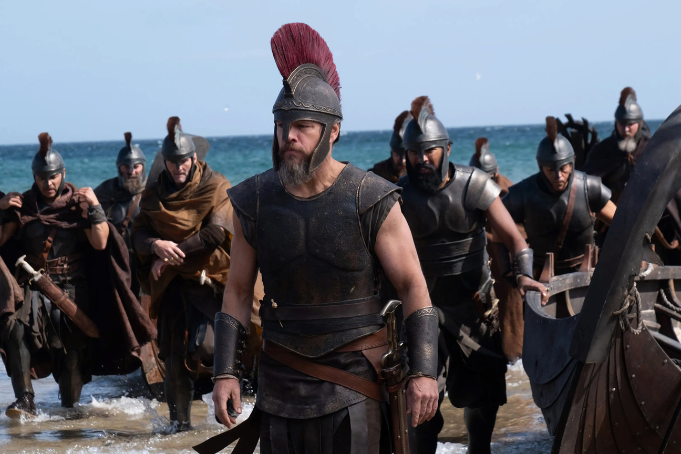
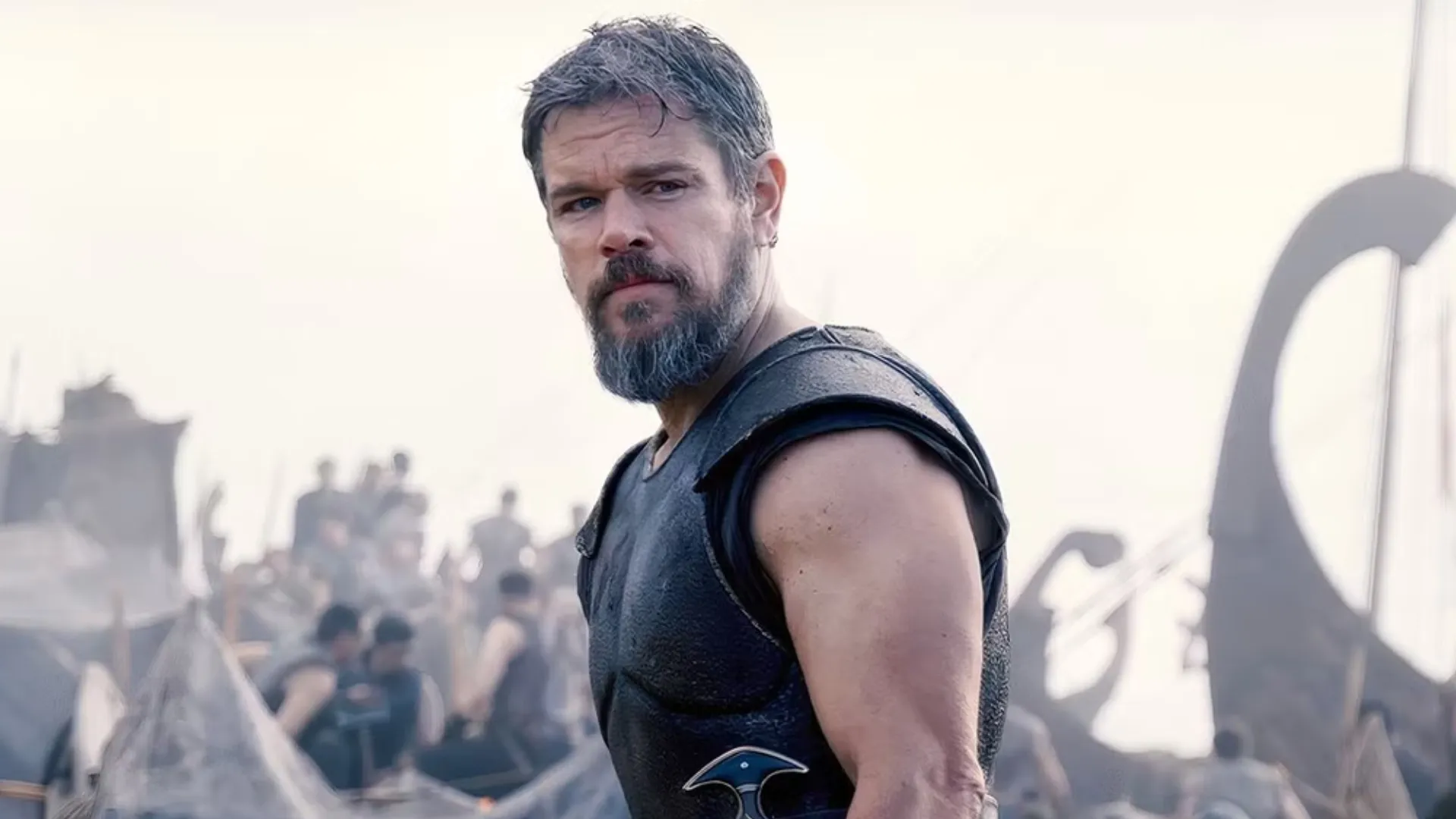
While audiences are excited to witness Christopher Nolan’s massive, $250-million mythic action epic “The Odyssey,” the visionary director already has his eyes on an entirely different kind of thrill. In a recent interview with Fred Asquith, Nolan confessed a deep, untapped desire to step into the world of horror.
For a filmmaker known for reality-bending sci-fi and historical epics, the pivot might seem surprising, but Nolan views it as a natural progression of his craft. “I’d love to do a horror movie,” Nolan revealed, though he admitted he is still waiting for the perfect spark. “It’s all about the idea. It’s all about ‘Is there a story that really compels you?’”
For Nolan, horror is the ultimate playground for an auteur who values pure, unadulterated audience engagement. He described it as a "visceral genre" that demands an intense, empathetic reaction from the theater seats. “It’s one where you’re really trying to give the audience a feeling of what the characters are experiencing,” he noted, linking the genre directly to his core philosophy of filmmaking.
The Seeds of Terror in “The Odyssey” and “Oppenheimer”
If you look closely, Nolan has been flirting with horror for years. He recently pointed out that his Oscar-winning masterpiece “Oppenheimer” fundamentally operated as a horror film due to its "very dark material."
That willingness to embrace absolute terror is on full display in “The Odyssey.” Early viewers and critics are already raving about the film's most intense sequence: Odysseus’s harrowing encounter with the Cyclops, Polyphemus. Shot entirely on IMAX 70mm film, Nolan leans heavily into the primal dread of the original Homeric text, transforming a mythological staple into a claustrophobic, visceral nightmare.
"I’ve tried to fully embrace those [moments of terror] because I think it’s a genre that’s really essentially cinematic," Nolan said.
While Nolan waits for the perfect nightmare script to materialize, he wouldn’t be the first director to completely swap genre lanes. Here are five directors who boldly shifted lanes and the movies that proved they could master any genre.
Related Stories
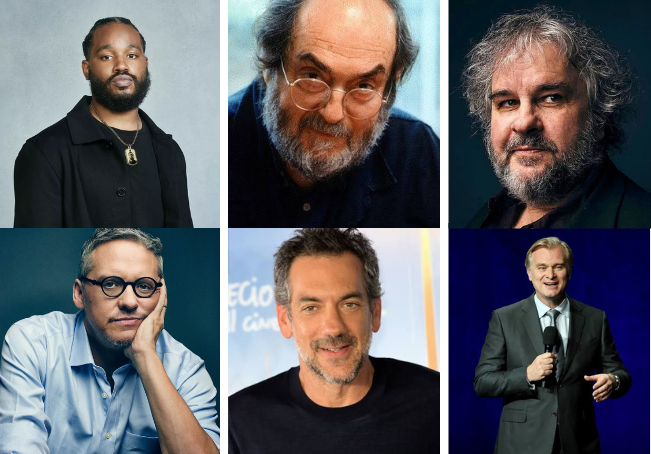
Ryan Coogler
Where he started: Grounded Social Dramas & Blockbuster Franchises - “Fruitvale Station” (2013), “Creed” (2015), “Black Panther” (2018)
The Lane Switch: Sinners (2025)
The Impact: Coogler was Hollywood’s golden child for emotional dramas and massive superhero blockbusters. When he pivoted to write and direct the supernatural horror film “Sinners,” it felt like a monumental gamble. Instead, the film became a critical and commercial smash, racking up massive box office numbers and making history with 16 Academy Award nominations. He is the ultimate modern proof that a blockbuster director can seamlessly conquer horror.
Stanley Kubrick
Where he started: Film Noir & War Epics - “The Killing" (1956), “Paths of Glory” (1957), Spartacus (1960)
The Lane Switch: “2001: A Space Odyssey” (1968) & “The Shining” (1980)
The Impact: Kubrick was the ultimate genre chameleon. After dominating historical and war dramas, he leaped into sci-fi with “2001,” effectively inventing the modern look of the genre. Years later, he shifted lanes again into pure horror with “The Shining”. Though Stephen King famously disliked the adaptation, Kubrick’s cold, calculated dread turned it into one of the most influential horror films of all time.
Peter Jackson
Where he started: Low-Budget Splatter Horror - “Bad Taste” (1987), “Braindead” (1992)
The Lane Switch: “The Lord of the Rings: The Fellowship of the Ring” (2001)
The Impact: In the late 80s and early 90s, Peter Jackson was the king of New Zealand “splatterstick” gore comedies. The idea of him helming the most ambitious, high-fantasy trilogy in cinema history felt like a wild gamble. Yet, Jackson perfectly channeled his eye for massive scale and practical effects into “The Lord of the Rings,” resulting in 17 total Academy Awards across the trilogy.
Adam McKay
Where he started: Absurdist Studio Comedies - “Anchorman” (2004), “Talladega Nights” (2006), “Step Brothers” (2008)
The Lane Switch: “The Big Short” (2015)
The Impact: McKay spent a decade directing Will Ferrell yelling in ridiculous outfits. Then, he decided to tackle the complex, depressing reality of the 2008 global financial crisis. “The Big Short” retained McKay’s signature sharp wit, but deployed it as a weapon in a fast-paced, fourth-wall-breaking biographical drama. The gamble paid off with a Best Adapted Screenplay Oscar and a brand new era for McKay as a political satirist.
Todd Phillips
Where he started: Frat-Boy & Raunchy Comedies - “Road Trip” (2000), “Old School” (2003), “The Hangover” (2009)
The Lane Switch: “Joker” (2019)
The Impact: Todd Phillips was the architect of millennial bro-comedy, climaxing with the chaotic “Hangover” trilogy. Nobody expected him to pivot to a gritty, deeply depressing, Martin Scorsese-inspired psychological character study of a comic book villain. “Joker” stunned Hollywood by grossing over $1 billion, winning the Golden Lion at Venice, and netting Joaquin Phoenix an Oscar.



Comments are moderated. They may be edited for clarity and reprinting in whole or in part in Variety publications.