


Jul 17, 2026 11:30am IST
‘Satluj’ Effect: ‘Scary,’ ‘Infantilizing,’ ‘Undemocratic’ – Filmmakers Flay Reports Of Certification Of OTT Films
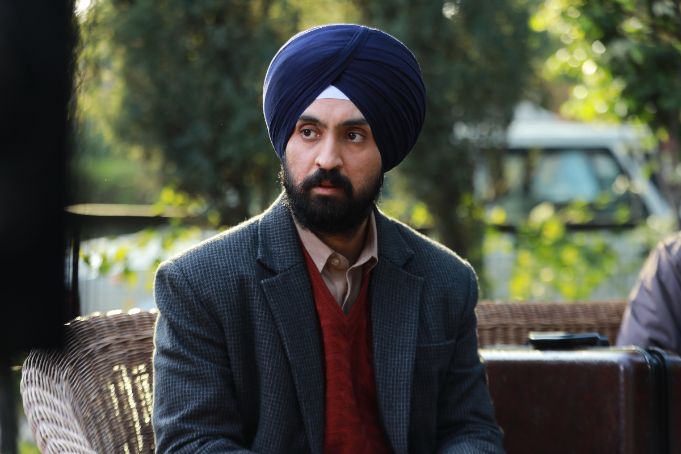
Diljit Dosanjh and Honey Trehan's "Satluj" has sparked a fresh debate. The film was taken off its digital streaming platform, Zee5, on July 5. It seems the government was worried about the content fanning anti-India sentiments. As per emerging reports, all films released directly on streaming platforms may need to obtain certification from the Central Board of Film Certification (CBFC). Variety India speaks to filmmakers, actors and writers to gauge the industry's response to the proposed move and its potential impact on OTT content.
Pathetic and Undemocratic Move?
Filmmaker Rahul Dholakia, known for his films like "Parzania," (2005), "Raees" (2017) and "Agni" (2024), believes this is no more about certification or giving a viewer rating. He says, "This is about what you as an audience is 'allowed' to see. For me, this is a big problem as this is no more about 'freedom of storytelling' but about controlling the storyteller and brainwashing the audience."
Writer Kamlesh Pandey, of "Tezaab", "Saudagar" and "Rang De Basanti" fame, feels a long dialogue is needed between the government and the film fraternity. He states, "I have been a former member of CBFC, and I am not a big fan of the manner in which people discuss films. I respect institutions, but people holding posts need to be closely scrutinized. Do they truly deserve the place, or have they been given the responsibility as they support a certain ideology? A hurried move will send the wrong message to creators and writers, and that's not in the country's interest. We need a mutual dialogue and vigorous debate on the same. Other countries have found a solution by bringing sensitive, informed and talented people in power. We need to have an open mind on the same."
Related Stories
Condescending Towards Audiences
Assamese filmmaker Bhaskar Hazarika, who won National Awards for "Kothanodi" (2015) and "Emuthi Puthi" (2022), terms films made without absolute creative freedom as propaganda. He opines, "I do not like any kind of censorship at all. I feel it infantilizes the audience, treating them like children. I am a grown-up man of 50, and can decide on what to watch. The overreach of the CBFC is an issue filmmakers have been dealing with for a long time. Due to this, writers and directors are self-censoring their content, which defeats the purpose of making cinema. This means you are making cinema, which aligns with a certain kind of cinema, something recent developments seem to be indicating. We do not need a Censor Board. This is what it is when people are used to being treated like children. Having someone to tell you, even at this age, something as simple as what to watch or not…what is the point of being a person who can think for themselves?"
Actress Tillotama Shome agrees with Hazarika's views, saying, "Censorship and creative freedom - these are fights that have been going on since time immemorial. The price for freedom has always been very high. It is not something new that has come up to curb OTT platforms. I feel that audiences are free to watch what they want to. There can be certifications based on age. Those certifications are important to differentiate between themes of adult content. I think that differentiation is a very responsible thing to do. But beyond that, people should be free to decide what they want to watch and vice versa. That's what a democracy upholds."
Shome reasserts that excessive censorship only worsens the situation. She says, "As artists, we have to find new ways of expressing and telling our stories. That has always been a struggle. You have to be creative. We have not always succeeded, but ideologically, I feel censorship only exacerbates the situation and is almost undignifying for everyone. With everyone, I mean not just the makers of the film. Audiences should be treated as adults."
Dholakia feels this is absolutely humiliating for the filmmaker. He laments, "No respected filmmaker would like their films to be shown 'Censored.' They will pull out because this whole 'control' idea is archaic and silly."
A 'Scary' System
Director and screenwriter Chaitanya Tamhane, who made the acclaimed courtroom drama, "Court" (2014), minces no words in terming the current climate as scary. He feels that while it is acceptable to have a system or regulation in place, there is a need for greater transparency. "The intent matters. This is worrisome, as a body of work might be taken down anytime without any concrete explanation. Storytellers are already censoring their own content. This situation is very disappointing for any writer or director. It makes you question and worry what is the real motive behind censorship and how the people in charge will execute that power. That is all I can say," he says.
Taking a more balanced standpoint, Pandey opines, "As writers or directors, we are also patriots. We would also like to draw issues to what is happening in our country. Stories are made out of conflicts. At the same time, we need to ensure that we do not play into the hands of those who are anti-India. Yes, I believe that there is a lobby and we should not cater to their agenda. Saying that, if the intention of a story is good, there is no way it should be banned."
Filmmaker Biswapati Sarkar of "Panchayat" fame feels that censor ratings are fine. He says, "If it is just a rating, then it's fine. And if it is censorship, I don't know because then how will you censor Instagram or YouTube? I think 200 hours of content gets uploaded on YouTube every second. So, there is no way to censor that. And there are a lot of shows that come out on YouTube. And of course, that is the most free platform. And this (OTT) is still behind the paywall. So, I don't know the technicalities of how it will work. Once we come to know what shape or form it will be."
He further says, "So, nobody wants censorship. Especially when it (content) is made with the right intent. When you are talking about comedy, it might not have a lot of swear words or bad words. Tomorrow, I might want to do that for a certain show. And I still want the right to do so."
Global Embarrassment
Dholakia wonders how far censorship will go. He says, "If they are going to censor our content, will they be censoring international content as well? Will they stop films that are counter to their ideology? Will they censor films that point fingers at, say, China or Israel?"
"The best films in the world come from nations that face horrible crises. It is because their storytellers have those conflicts to narrate to the world. Strife fosters creativity," Pandey signs off.






Comments are moderated. They may be edited for clarity and reprinting in whole or in part in Variety publications.