



Apr 28, 2026 12:39pm IST
‘Tumm Se Tumm Tak,’ ‘Seher-Hone Ko Hai,’ Indian TV Writers on What Makes Age-Gap Stories Tick With Viewers (EXCLUSIVE)

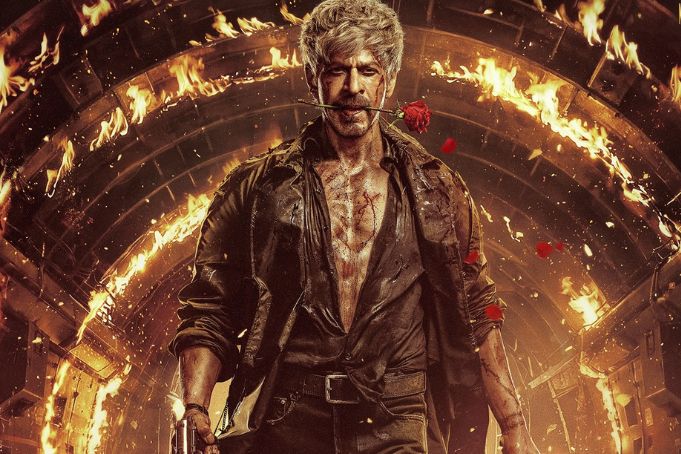
Reports of how Shah Rukh Khan (60) and Alia Bhatt (33) might team up for Sanjay Leela Bhansali’s once-shelved film, “Insha Allah,” have been doing the rounds. People have questioned the casting, asking why top Bollywood stars find it tough to accept that they have aged. It is supposed to be a spring-autumn love story. When people found out that Sara Arjun (20) was paired with Ranveer Singh (40) in “Dhurandhar” there was an uproar about the same. When they saw the movie in theaters they understood why she had been cast instead of an “age-appropriate” actress. This shows that Hindi film directors are willing to take risks even in this era of intense social media backlash. On the other hand, TV has been doing it quite consistently for years. Prateek Sharma’s “Tumm Se Tumm Tak” is a recent example. It is high on the TRP charts, and people adore the lead couple.
On the other hand, Parth Samthaan starrer “Seher - Hone Ko Hai” is facing criticism for the entire minor-marriage angle, misunderstandings and romance. Rishita Kothari (24) is a decade younger than Samthaan in real life. In the middle of all this, we are hearing that Aditi Dev Sharma (42) and a twenty-something Daksh Puri will team up for a mature romance on a leading GEC, where an older woman falls for a much younger guy. We spoke to a few writers and creators to understand what it takes to present such stories before a TV audience, which is supposed to be a more family-driven demographic.
Related Stories
Television set the trend way before Bollywood
Writer Gajra Kottary, who has been part of shows like “Na Umra Ki Seema Ko (2022)," “Molkki(2020)," “Balika Vadhu (2008 to 2016)," started in the genre with the serial, “Astitva...Ek Prem Kahani (2002)” which had Niki Aneja Walia and Varun Badola in leads. “It was a rather mature and bold theme for that period when ‘Kyunki Saas Bhi Kabhi Bahu Thi’ ruled over the small screen. We were all very hesitant about how and who would accept the story. No one thought it would run for more than six months. ‘Astitva’ ran on TV for three and a half years. Nikki got immense love as Dr. Simran, who fell for a younger man,” says Kottary. It should be noted that in real life there is hardly any age-gap between Nikki and Varun.
She further highlights how realism in storytelling worked for the show. “We showed real challenges that arise when two people fall in love like this. In Bollywood, women age worse than men. Rakhee, who was Amitabh Bachchan’s ladylove in films, went on to become his screen mother in a few years. On TV, you either pick up a theme and stay true to it or do a complete masala show with all the tropes of daily soaps. Unlike films, we need to run a show for 100-200 episodes for it to build a truly strong fan base. So, all aspects of such a relationship get explored in greater detail,” explains Kottary.
Storytelling in the current social climate
It’s 2026, and the audience has become a lot more sensitive toward age-appropriate casting, amongst other things. Also, social media is quick to label characters as gold-diggers, especially females. Talking about “Na Umra Ki Seema Ho,” that starred Iqbal Khan (45) and Rachana Mistry (31), Kottary opines, “You have to show clean-hearted characters for a love story in this genre to work. While there was an age difference in their characters, the girl was mature enough. He did not come across as a cradle-snatcher. We showed how she bloomed into a confident woman under his guidance. On the other hand, her innocence healed the wounds of his heart.”
Heartfelt stories reign over formulaic ones
Veteran writer Kamlesh Pandey, who penned “Kuch Toh Log Kahenge,” believes successes in storytelling cannot be scripted per se. He shares, “Bollywood releases so many films, but only two to three work at the box office in a given year. We know how big films are flopping. Stories come from the heart. ‘Kuch Toh Log Kahenge’ was an official adaptation of the 1987 Pakistani daily soap, ‘Dhoop Kinare.’ Haseena Moin, the original writer, had insisted that the Hindi version be written by me. I agreed as a kind of tribute to her. Despite both cultures being so similar, I had to Indianize the whole setting. The background of the girl in ‘Kuch Toh Log Kahenge’ is very different. But I had to keep the soul of the original intact. People connect with emotions and not formulas. Films flop because viewers feel alienated from the content shown on screen. Also, in TV, viewers wield the remote, unlike films, where you cannot exit a theater once you get in.”
He also admits that writers need to be clued in to what people express on channels like social media. Pandey believes the OTT platforms have educated viewers to consume better content. “You need to reinvent and present something of some novelty. I believe we can tell such stories on any platform, but we need to reinvent as per the mindset of current viewers,” he asserts. Of late, there is a huge outcry over content that regresses women's rights or sense of agency, which is why shows like "Seher Hone Ko Hai" are facing critique.
Whether it is “Tumm Se Tumm Tak” or “Na Umra Ki Seema Ho,” writers have avoided showing physical intimacy onscreen. “I would say that ‘please go ahead with physical intimacy or nudity if it serves the story.’ No one watches content with stories to see naked men or women onscreen. It gets boring as hell,” stresses Pandey.
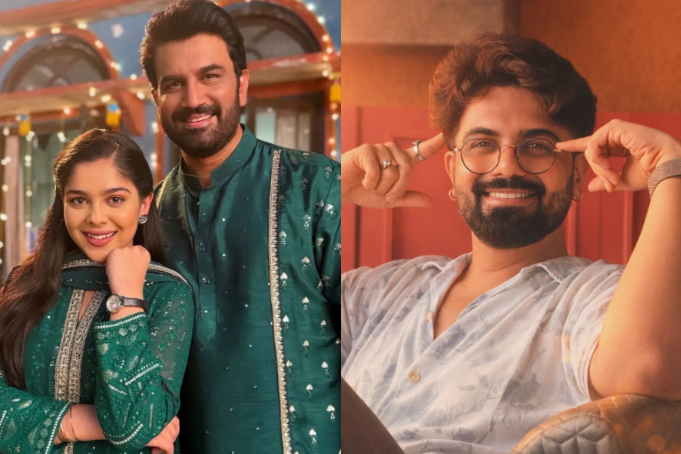
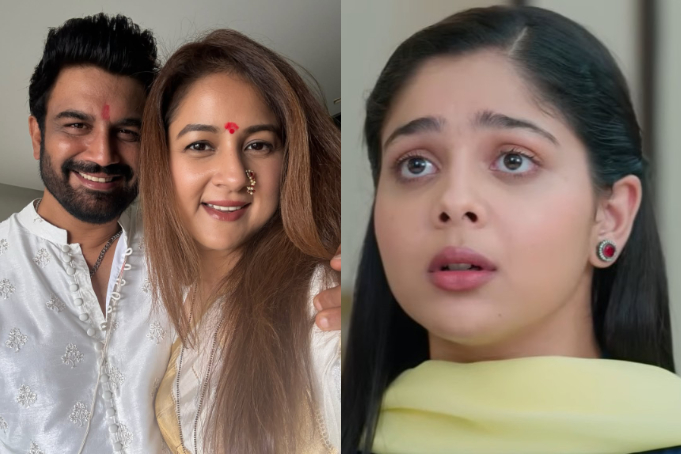
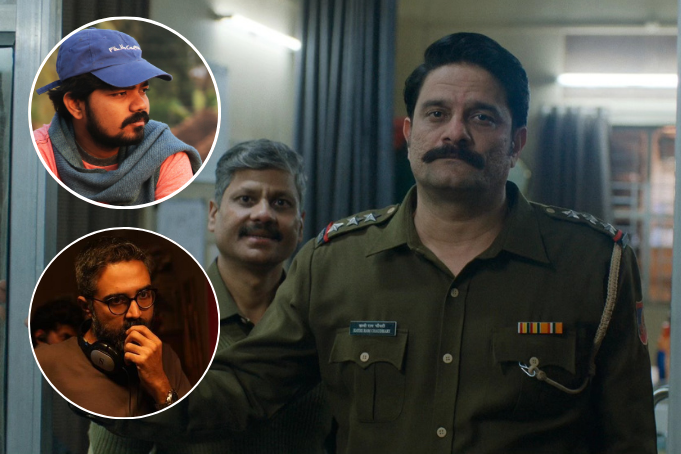
“Tumm Se Tumm Tak” maker Prateek Sharma says the casting of Sharad Kelkar (49) and Niharika Chouksey (21) was a prerequisite for the story. He says, “I knew people would stop harping on the age gap when the story progressed. It is a story of emotions and we are thankful that it resonated.”








Comments are moderated. They may be edited for clarity and reprinting in whole or in part in Variety publications.