



Apr 28, 2026 11:44am IST
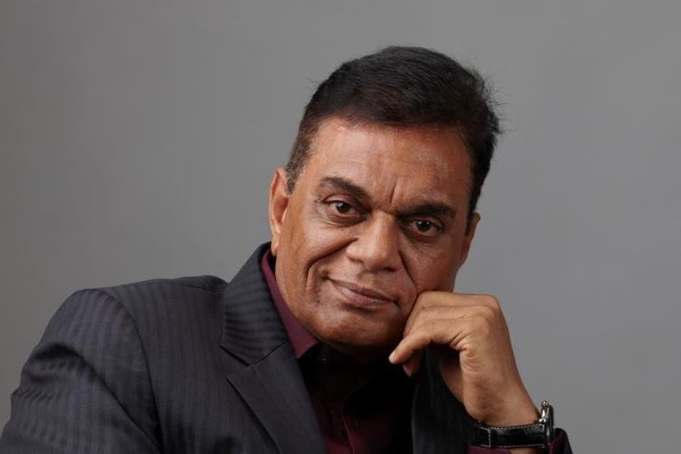
Mudassar Aziz: ‘Telugu Cinema Started Doing Massy Films Because of Hindi Cinema’ (EXCLUSIVE)
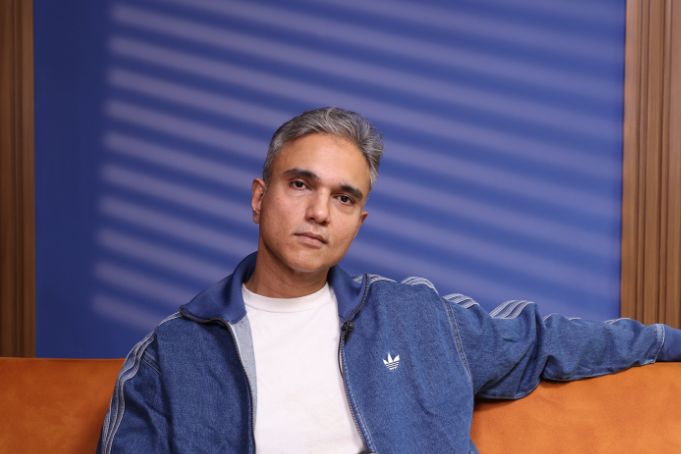
There’s been an evident shift in Hindi cinema. Gone are the stylised experiments, the coming-of-age films and rom-coms. We’re returning to the old, 80s era of violence and hyper-machismo. Cinema down South seems to be leading the fray, with Bollywood aping the trend. And filmmaker Mudassar Aziz has an interesting perspective on where it all changed.
In an exclusive chat for Variety India’s Director’s Cut, the “Khel Khel Mein” director elaborated on the sudden shift in the Hindi film industry, pinpointing three critical moments that could’ve been the catalyst for the pivot to more massy cinema.
Related Stories

“There are two or three factors that contribute to the shift in the kinds of our films that the Hindi industry started producing. Firstly, cinema is a reflection of the times we live in. Somewhere commercial Hindi cinema took a very weird detour from the main motorway it was meant to travel. For good or bad is another discussion.”
Aziz then goes on to talk about how Hindi cinema, influenced by the West, moved on to telling stories that didn’t exactly tap into the sensibilities of a wider audience. “Secondly, we got an influx of filmmakers that were influenced by the ideas, stories and principles from the West. We started to make cinema which is slightly more—for the lack of a better word—palatable to a more privileged class.” He cites the example of his own film, “Happy Bhag Jayegi” which had a strong female character in the lead, instead of Hindi cinema’s usual hero-centric narrative. “Even I, as a filmmaker, am a product of that detour in a way. With 'Happy Bhag Jayegi', to put a woman in front in the titular role, with a non-star cast film, and to expect that to become a super hit would have needed me to completely bank on the rationale of like-minded people enjoying such cinema. In ‘Happy Bhag Jayegi’, you see Pakistanis as people; they are good and they are bad, right? Doesn't seem like the trend today. So consumption of the slightly informed or aware is different from the consumption of the large masses.”
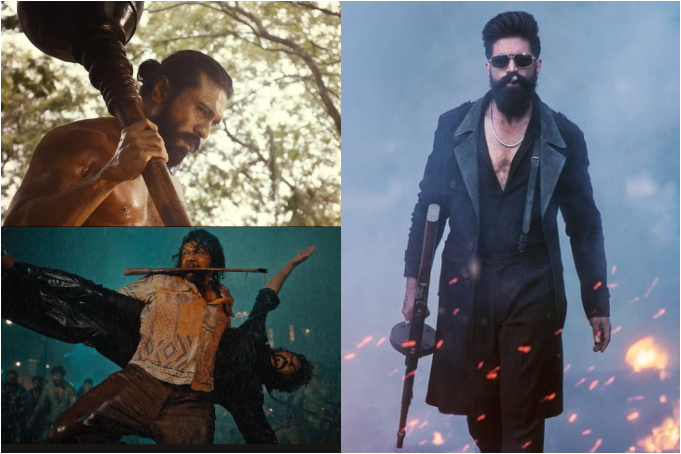
And finally, Mudassar Aziz believes that while Hindi cinema pivoted to telling niche, intellectual stories catering to a certain type of audience, Telugu cinema and other industries down South went guns blazing into making the hardcore massy cinema that the audience sought for pure entertainment.
“When we took that detour towards slightly intellectually-stimulated stories, we lost our core audience somewhere to dubbed Telugu films, and regional cinema, that was still catering to those kind of stories and plots. You must have often heard that nobody does mass cinema like Telugu. My point is, Telugu cinema started doing mass cinema because of Hindi cinema. We were the makers of “Amar, Akbar, Anthony“, “Deewar”, “Mard”, “Trishul” and “Sholay”. We did mass cinema and they picked it from us. But we took the detour along the way to make slightly more intellectually-stimulating stories and we fell off the bandwagon.
He further adds, “People think “Pushpa” is an aberration; it's not. Allu Arjun strongly and silently became a star before “Pushpa” came to the cinemas as a Hindi film. And so also with the whole brigade. His films were being consumed on television by way of dubbed in Hindi films. Much before “Pushpa”, Allu Arjun had become a hit in Bihar. And he was entertaining the large cross-section-population that love that kind of massy cinema.”











Comments are moderated. They may be edited for clarity and reprinting in whole or in part in Variety publications.