



Jun 23, 2026 5:03pm IST
Saqib Saleem On Going Studio-less With ‘Baby Do Die Do’: ‘I Need A Small Opening In The Door, Then I’ll Break It Open’ (EXCLUSIVE)
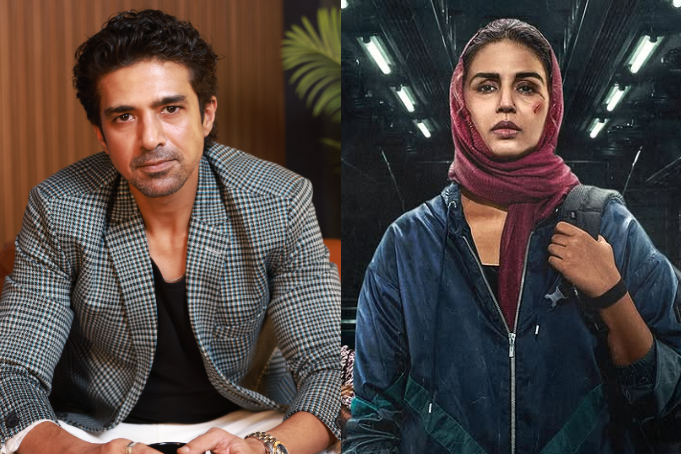
For years, the traditional path to a theatrical release in India has been clear - find a studio, secure marketing muscle and hope for enough screens. Saqib Saleem is attempting to challenge that model with “Baby Do Die Do.” After seeing his previous production “Single Salma” struggle despite studio backing, Saleem has chosen to take matters into his own hands, self-funding the film, cutting costs from the top and betting that a strong story can find its audience without the support of a conventional studio system.
“When ‘Single Salma’ released, we were struggling to get showcased. And that was a studio-led film. And I’m like, ‘Okay, here’s a studio that’s releasing the film, but it’s not getting the required push it should get.’ And that’s why we went studioless this time. I realized that I just need to figure out how can I make my film known enough to people that they get excited to watch it. And then, automatically, the screens and shows will happen.”
For Saqib Saleem, the decision was also deeply personal. The actor says “Baby Do Die Do” was designed as a vehicle for his sister Huma Qureshi, who, despite a critically acclaimed career, has not received the kind of theatrical opportunities he believes she deserves.
“This film is designed for her. As I said before, we have to create our own opportunities. So, this is us trying to create our own opportunity under the sunlight. She’s been appreciated all around. But she’s never had a theatrical big release.”
Related Stories
That belief shaped the economics of the film. Cost-cutting started with the people leading the project. Huma Qureshi, Saqib Saleem and director Nachiket Samant chose not to take salaries so that more resources could be invested directly into the production. “Here, the intention is not to make money, but to make a film that needs to be made.”
The commitment also came with a strict timeline. After asking actors and collaborators to trust his vision, Saleem says he felt a responsibility to move quickly and put the film on the floor within two weeks. “I knew I had to put this film on the floor in two weeks. The team had agreed to do the film because I had told them, ‘I believe in this.’ If I wanted to be the producer of this film, I needed to figure out how I could put this on the floor in two weeks. And we did that. We hustled and figured out what needs to be done. We raised money to make it. We put in our own. So, everything that you shouldn’t do to produce a film, we’ve done to produce this film. We’ve literally put our sweat and blood into this film.”
The actor-producer also believes the current theatrical landscape has shifted in favor of audiences deciding the fate of films rather than large marketing campaigns. He points to examples of films finding success through audience conversations and word of mouth.
Popular on Variety
“We are in a stage today where it’s very audience-led. We’ve had cases like ‘Tumbbad’ re releasing and doing the numbers. These are inspiring stories that are audience-led. It’s not like they come with a lot of social media push or some sort of amplification or pushing narratives out there. It just comes because people really resonate with the story.”
For Saqib Saleem, “Baby Do Die Do” is also about creating a space for actors who have consistently proven themselves but remain overlooked by the industry’s traditional power structures.
“If you talk about somebody like Huma, who has been in the business for as long as I have, tell me somebody who does ‘Monica, O My Darling,’ who does ‘Maharani,’ her show’s done five seasons now. She’s worked with Zack Snyder in Hollywood, Gurinder Chadha, she’s worked with Rajnikanth down south. The filmography is immense. But does she get what she should get?”
The same question, Saleem says, applies to actors such as Sikandar Kher and Seema Pahwa, performers he believes have repeatedly demonstrated their talent without receiving enough opportunities. “These are all underrated actors who have been considered very good. I want to change that. If all of us don’t come together and push people who we think are talented, then who will? We don’t come from privilege. We’re going to filter in and we’re going to get the best.”
Saqib Saleem acknowledges that many may not expect an independent film like “Baby Do Die Do” to break through, but he is determined to prove otherwise.
“I know that 99.9% everybody thinks that nothing is going to come off it. But I’m going to be that 0.1%. I just need a small little opening in the door. Then, I’ll break it open.”
“Baby Do Die Do” is set to hit the big screen on July 3, 2026.








Comments are moderated. They may be edited for clarity and reprinting in whole or in part in Variety publications.