



Jun 23, 2026 6:08pm IST
Curry Barker: ‘I Definitely Did Not Expect ‘Obsession’ To Be A Big Hit In India’ (EXCLUSIVE)
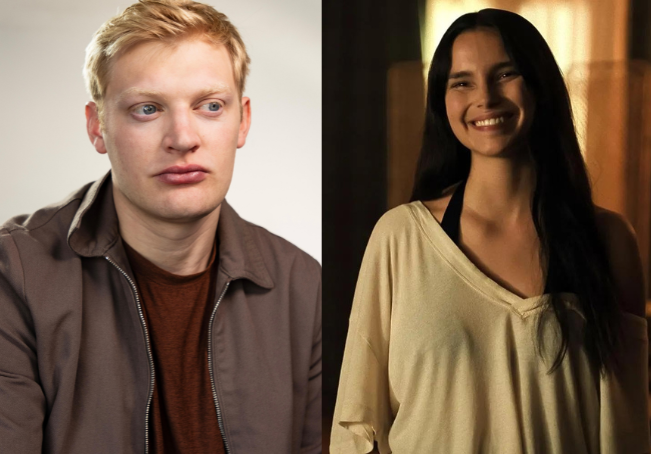
Made on a modest budget, “Obsession” has emerged as an unexpected global cinematic sensation. The movie found a strong audience in India, too, and sparked intense online debates, fan theories and memes. In a conversation with Variety India, its 26-year-old director, Curry Barker, opens up about the film's unexpected impact, the debates around its characters and their choices and why protecting his creative voice matters more than ever.
‘Obsession’ has become a massive hit in India, surpassing box-office figures of several major Bollywood films. When writing and making the film, did you ever imagine it would resonate so strongly in a country like India or around the world?
I definitely did not expect “Obsession” to be a big hit in India. I didn’t expect it to be a big hit anywhere, really. You hope and dream that your movie is successful and that it resonates with people. But I can’t believe what it’s doing. I mean, we made this movie for nothing. I just can’t believe that it’s getting the recognition that it’s getting.
Of all the reactions you’ve received from audiences, is there one that has stayed with you the longest?
I think the cultural impact has really shocked me. The amount of comedy videos and fan art that people are making for the film is really cool to see. People recreating scenes from the movie and putting a comedy spin on it, is just really cool to see.
Related Stories
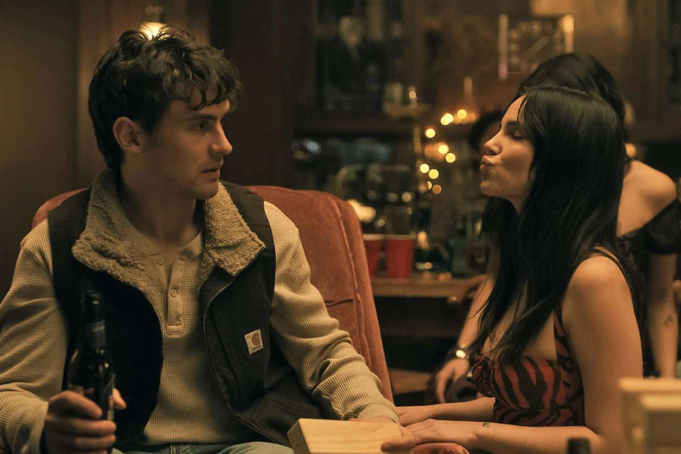
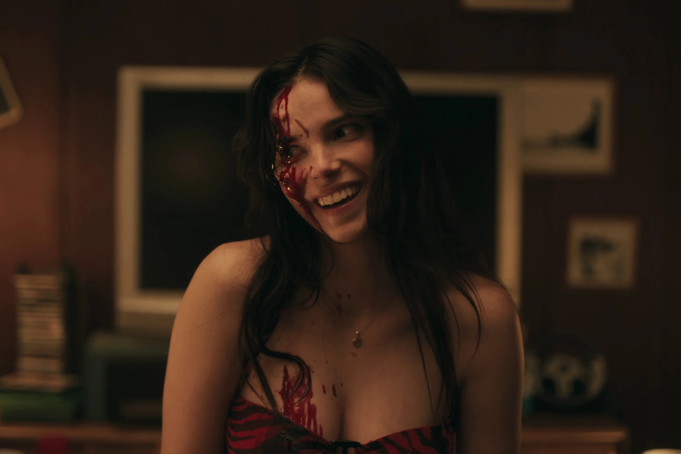
The internet is heavily debating the morality of the film. While Nikki commits horrific acts, Bear is ultimately the one who takes away her agency. In your mind, is Bear the true villain of the story or is he a tragic figure who makes a terrible mistake?
Definitely. There’s no question that Bear becomes the bad guy in this film. I think it starts from a pretty innocent place. I was never trying to make a film about some super specific message about men or anything. I actually wanted most people – men and women – to relate to Bear and the aspect that he’s just a normal guy with a crush.
And we can all relate to that. But I think, as the movie goes on, it’s the choices that he makes and the decisions that he goes through with that, that make you start to see him as quite the antagonist.
Bear is given multiple opportunities to let Nikki go and change the course of the story. Why was it important for you to keep him on the path he ultimately chooses?
It was really important to me because I see a lot of movies that have concepts in them where we never get to explore what if this happened, but it happened in, um, in a situation where a person didn’t do the correct thing or like, you know, we see a lot of movies where, um, people always are just doing the exact right and perfect thing.
But this concept in general or even this specific concept: wishing that someone loved you back, is something that we’ve seen before. We’ve seen it in multiple media outlets, whether it’s a TV show or a “Twilight Zone” or whatever. And they don’t really ever touch on the fact that when you are wishing that someone loves you back, you're 100% taking away their choice and autonomy. And so it was a concept where I was like, we have to explore the fact that Bear wants this, but Nikki doesn’t really want it. Even if it was a wish, like: ‘I wish that my friend should become my best friend’. You’re still taking away their choice to maybe not be your best friend. Maybe they want to be best friends with Jimmy or whoever, but you’re still taking away someone’s choice. And so it was, it was, it was something that was begging to be explored in this area. I just like to explore all of my ideas to a certain depth that I’ll carry on, whether I’m doing “Chainsaw” or whatever I end up doing next. I want to explore the deepest version of those depths, you know?
What do you make of the fact that the One Wish Willow has become such a huge part of pop culture, with fans now creating their own versions of it?
That’s crazy. And what’s really funny is, as you say that, on my desk, this right here is the one wish willow that Bear has in the crystal shop, in the trailer, when you see the closeup of the one wish willow. This is it right here. This has kind of become one of my crown jewels because I’m like, “Oh my gosh, this is going to be valuable!” You know, this is kind of a collectible item now. Like if you were to pause the trailer and look at certain specs and certain dust, like this is the exact one.
And it’s so crazy. And my mom who heavily designed this thing. You know, I was, I was super-specific about it. It was a back-and-forth process, but my mom pretty much 100% designed it. She’s kind of going through a thing where it’s bittersweet for her because she’s seeing her design just everywhere in the world right now. Just trying to make sure she gets the recognition that she deserves for it.
Inde’s performance constantly shifts between victim and antagonist. What conversations did you have with her about striking that balance?
We knew it was a technically challenging role. I knew that I wanted to do these very quick changes of intent where I was changing from being happy to all of a sudden being freaked out and like all these things that take a lot from an actor. We watched movies together. We watched references of things where I was like, this is not what the movie is to show her.
We also talked about on set – it’s pretty simple in my eyes – just playing it real and not trying to play too far into the possession of it. Not trying to play a demon, just a real girlfriend who’s clingy and jealous. That was where I wanted to come from, just playing it real. And then some of that stuff with the snapping in and out. I mean, that’s just technically hard for an actor or an actress to change emotions very quickly. And so that just took really kind of practice. There’s no way to prepare for it. I told her to go look in a mirror and change expressions quickly and stuff.
The ending has become one of the film’s most discussed elements. How do you view Nikki’s fate after everything she experiences?
I think she’s definitely experienced everything that happened in the film. Everything that we saw unfold on screen, she witnessed in a way she wasn’t in control, but she witnessed it. And so she’s going to have to live with that. I don’t know if it’s an ultimate punishment, because that kind of implies that she deserves it. I don’t think she deserves it. This is the unfortunate, tragic ending. In my eyes, it’s not really a happy ending, you know?
‘Obsession’ has also put a spotlight on young filmmakers and independent voices. What do you think its success says about where the industry is today?
I think that the industry is at a place where they’re going to start trusting the filmmaker again. It was something that was really popular back in the day. Filmmakers used to have a lot of say about their art. And I think it just slowly, slowly changed to whatever the algorithms were and whatever Hollywood thought that people wanted. Hopefully, “Obsession” can show the industry that the artist having a sole vision for something can sometimes really benefit the outcome of a film.
As bigger studios come calling, how do you plan to protect your creative voice while navigating the realities of the industry?
Well, I’m actually more nervous about myself than the studio system. I’m going to figure it out. I’m trying to just cut out all the noise and try to remember whatever made me unique or made people like my voice in the first place. Also not really even care about what other people think. I think “Obsession” turned out well, only because I wasn’t making it for anybody else but myself. And I really want to continue that. I don’t want the noise around the success of “Obsession” to get to me.
So really, it’s more of a personal journey.
As far as the studio system, have a good team. And it’s all about what’s in your contract and who has the final cut? What are they allowed to do? With “Obsession,” I’ve proven enough that I should have a say in the edit. And I think that there’s certain filmmakers that do kind of, unfortunately, get more controlled. Hopefully, my work has proven for them to let me kind of do my thing. And so now, it’s more of a right, more of a personal journey that I want to continue to know what my voice is.
Finally, what’s the one piece of advice you would give young filmmakers reading this interview?
Keep going. Don’t stop. And don’t be too precious about all the ideas. It's the execution that matters.


Comments are moderated. They may be edited for clarity and reprinting in whole or in part in Variety publications.