



Sep 08, 2026 8:00pm IST
‘Hanuman Ansh’ Producer-Director Vishal Chaturvedi: ‘The Film Is Doing Better Than A Lot Of Other Movies In The Theaters’ (EXCLUSIVE)
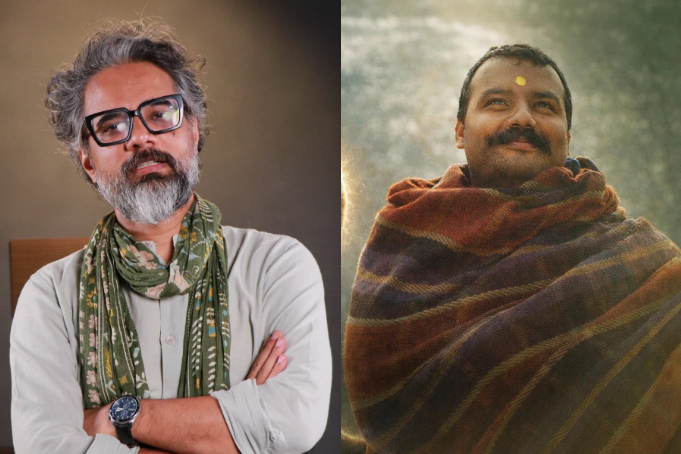
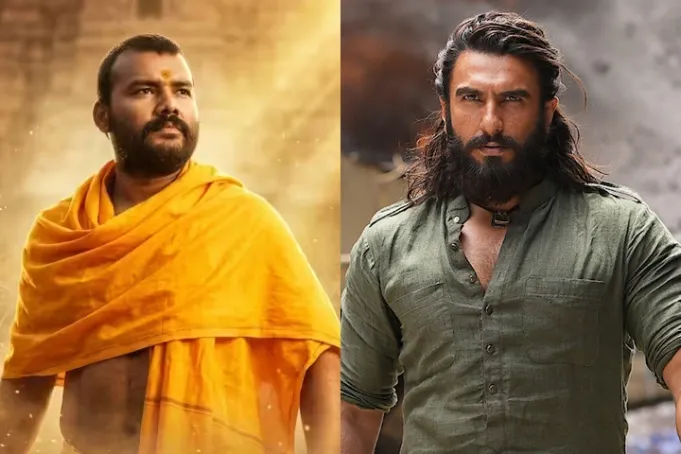
The super success of “Hanuman Ansh,” made on a tiny budget with no stars and barely any marketing, has become a success story driven largely by audience word of mouth. Made on a budget of around ₹2 crore, the film has earned ₹122.13 crore so far. In addition to being the most profitable film in Indian cinema, it has also broken the record of Ranveer Singh’s Dhurandhar (₹33 crore) and become the highest fifth-weekend grosser with collections of ₹49.25 crore. Here are excerpts from a chat with Vishal Chaturvedi, the film’s writer, producer, and director.
When did the idea begin?
I experienced a miracle in 2006. I was posted in Himachal as a medical officer; Five of my friends and I used to roam after finishing our duties. One day, it was raining heavily, with a thunderstorm and poor visibility. We took a different route towards the hills, and our tyre slipped. We decided to wait. Suddenly, the rain stopped, and within a few minutes, visibility returned. When I opened my car door, we were at the Kainchi Dham gate. We went inside the temple. My friend started telling me about Maharajji, and that conversation stayed with me. I still remember that event vividly, and since then, I started discovering more about him.
When did you decide to make the film?
In 2017-18, when I started pitching my films, this story was already there. In 2023, I was collecting a lot of stories about Maharaj Ji and was even considering publishing a book about him. At one point, I even pitched it to an OTT platform. They asked me for an Indian concept that had international relevance. I was obviously very passionate about it. But the way that conversation went made me adamant that, come what may, I would make this film in my lifetime. Since then, I started pitching it hard. Eventually, I met two producers who believed in the film. They said, “Okay, let’s make the film.” Then we got another investor.
Related Stories
How did you manage the budget?
One investor eventually ran away, and the film’s budget was cut in half. I decided to still make it. We cut down on locations, traveled by train and functioned in a simple manner. There was no vanity van. I decided to forgo my directorial and writing fees and invested my own money. We finished the film in 22 days. The entire film cost around ₹1.5-1.7 crore, although we are still auditing it. Production was completed in a little over ₹1 crore, with another ₹50-60 lakh spent on post-production, songs, etc. I wanted to make the film on a budget where, even if it didn’t do big business at the box office, my producers could recover their money.
How did you approach casting?
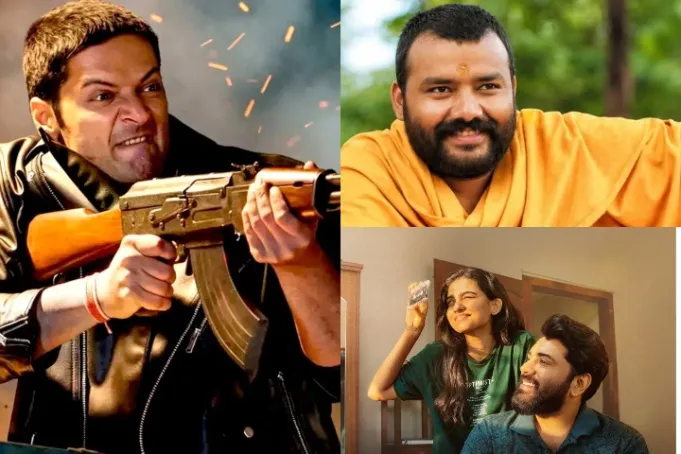
We had a very tight budget, so we had a cap on what we could afford to pay actors. Many known actors turned down the film because of the money or dates. We also looked for local actors. If we were shooting in Chitrakoot, we looked at people from Jhansi, Kanpur, Lucknow, Satna and Chitrakoot itself. Around 70% of our casting was done from these places. A lot of theatre actors also came on board. That made the casting unique because audiences didn’t know these faces. So they could believe that these characters had been transported from that time.
How did your second AD become the lead?
Shobhina was my second AD. I decided to cast him for the lead role. For three and a half to five hours, we did an extensive audition, but it wasn’t working. Then I asked him what was the problem. He said he was worried about what people would think about his acting. I told him that if I cast him, it would be 100% my responsibility. After that, we did a comedy scene and suddenly he got the vibe and timing. Once he understood the character, I didn’t work with him on any scene. That’s how we finalized on him.
What gave you the confidence?
I worked with Anubhav Sinha for three years and headed content at Karma Media and Entertainment. I learned that if you want to make a successful theatrical film, you have to control your budget without compromising on the subject. I became completely dedicated to the film because I had no monetary interest left. My entire focus was on making great content and making the film work. I also knew that if I made a small-budget film, I could release it in a certain number of theatres and the film could work. I believe the Jai Santoshi Maa category is still alive. People want to watch those kinds of films. People watch television channels. There are so many television serials about gods and saints already running. Why are they still being made? Because there is a huge audience for that. It is not just about one kind of audience.
Did you expect this box office response?
Absolutely not. I thought the film would run, recover its money and we’d be done. But the emotional and spiritual impact has been far greater than we realized while making it. People have told us they were moved to tears and couldn’t stand immediately after the film ended. Once people are moved, they want to tell others about the film. Right now, it is doing better than a lot of other films in the theaters; I never expected this response.
Do you feel word of mouth is driving it?
It is one person going to a theatre, watching it, telling another person to watch it, and then that becomes a chain reaction. We don’t have posters, hoardings or newspaper ads. Even social media doesn’t have a budget to amplify our creatives. So we have the audience. We took the film to them, and now they are taking it to others. The effect has been massive.
What has the industry’s reaction been like?
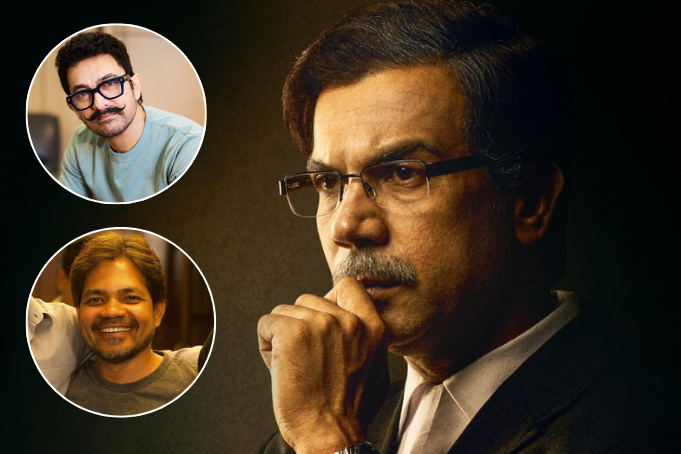
A lot of people have reached out. Some have asked whether the numbers are real, whether they are marketing or PR spends, and how the week-on-week growth is happening. People who matter to me have also given me incredible feedback. Sanjay Puran Singh Chauhan watched a three-hour cut and said it would work even at that length. Om Raut called and congratulated me, saying, “Bro, this is crazy what you’ve done.” These people’s feedback is very precious to me because I get scared while giving them my film to watch.








Comments are moderated. They may be edited for clarity and reprinting in whole or in part in Variety publications.