



Jul 25, 2026 11:02am IST
Dying for the look: Indian designers and stylists break down the “death pants” phenomenon.
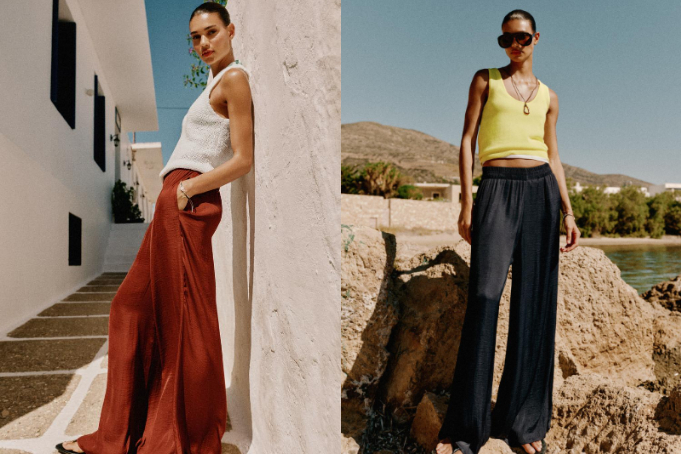
Spanish brand Zara is caught in a social media fashion storm. Recently, the fashion house launched its wide-legged, high-waisted, flowing trousers called ‘Death Pants.’ The trend, which instantly captivated fast fashion followers, is now being labeled as ‘impractical’ and ‘dangerous.’
It started off with posts on TikTok, when shoppers posted pictures on social media to corroborate their claims of having tripped and broken their bones. Fashion experts point out that impracticality has been the hallmark of the design world. The aim has always been to question existing trends, especially in the digital-friendly world with limited attention spans. This raises the question whether brands are going overboard in their quest to innovate. Is there a fine line between practicality and style that needs to be drawn? Variety India spoke with Indian designers and stylists for their take on “death pants.”
‘Any garment can become a safety concern if it is poorly fitted’: Vaishali Shadangule, designer, Delhi
Fashion has always explored new silhouettes and proportions. Wide-legged trousers can be incredibly elegant and comfortable when designed with the right fabric, length, weight, and construction. They become impractical only when aesthetics completely overshadow functionality. Good design should make the wearer feel both beautiful and confident, not restricted or unsafe. I think the conversation has become slightly exaggerated because of social media. Any garment can become a safety concern if it is poorly fitted or worn in the wrong environment.
Related Stories

Extremely long hems, oversized volumes or excessive fabric can increase the risk of tripping, particularly on stairs, escalators or while cycling. But that doesn’t mean the silhouette itself is dangerous; it means it needs thoughtful design and responsible styling. Innovation is essential because fashion must evolve. However, innovation should solve problems, not create them. As designers, we have a responsibility to balance creativity with wearability. At Vaishali S, we constantly experiment with handwoven textiles and sculptural silhouettes, but we always test movement, comfort and how the garment behaves on the body. True luxury is when innovation feels effortless to wear.
‘Functionality should be seamlessly integrated into beauty’: Siddhartha Bansal, designer, Delhi
Fashion has always challenged convention, but clothing ultimately has to coexist with the body. A garment can be sculptural, theatrical or experimental, yet if it significantly interferes with movement, visibility or comfort, it becomes more of an art object than everyday clothing. The context in which it is worn is equally important. The phrase “Death Pants” is undoubtedly dramatic, but any garment with excessive volume, extreme length or unconventional construction can present practical risks if not thoughtfully designed or worn appropriately. The responsibility lies not only in the design itself but also in educating the wearer about its intended use. Innovation should never come at the expense of basic functionality.
Good design begins with empathy. Understanding how a garment moves with the body is just as important as how it looks on a runway. We believe that functionality should be seamlessly integrated into beauty. Whether through convertible construction, thoughtful proportions or intelligent detailing, design should enhance the wearer’s confidence rather than demand compromises. An ideal garment feels effortless to wear while still making a memorable visual statement.
‘These pants aren’t “too fashion-forward,” they’re under-engineered’: Komal Shahani, Fashion Director, Mumbai
Let’s be honest, fashion has always been a little impractical. That’s kind of the point. But there’s a difference between a dramatic silhouette and a garment that just wasn’t finished. These pants aren’t “too fashion-forward,” they’re under-engineered. A hem that drags past the ankle needs a tailor, full stop. Nobody’s buying couture here - they’re buying fast fashion and skipping the one step that would’ve fixed this. Fashion has always challenged conventional silhouettes, proportions, and movement. However, every garment exists within a real-world context where people walk, climb stairs, commute, and navigate crowded spaces. If a design significantly restricts natural movement or creates an unexpected hazard, then practicality becomes a legitimate design consideration. Innovation should enhance the experience of wearing a garment, not compromise it.
Social media often amplifies isolated incidents, so it’s important not to generalize based on a handful of videos. That said, garments with extremely long hems, excessive volume, or unconventional construction can increase the risk of tripping or snagging - just as floor-length gowns, oversized trousers, or very high heels have always carried certain risks. It’s less about one particular product being “dangerous” and more about understanding that every design comes with intended usage and limitations.
‘It’s more about fit and how it’s worn than the style itself’: Sanam Ratansi, Celebrity Stylist, Mumbai
I think calling them ‘Death Pants’ is definitely an exaggeration. Wide-leg, flowing trousers have been around for decades and are a timeless silhouette. That said, when hemlines are excessively long or oversized, they can become a tripping hazard, especially on escalators, stairs or while walking in heels. Like any garment, it’s more about fit and how it’s worn than the style itself. I love an oversized silhouette, but proportions matter. If you’re constantly stepping on your trousers, they’re probably just too long. Not every trend works for every lifestyle, and that’s okay. If you’re running around all day, you might choose a cropped version instead of one that’s sweeping the floor.
‘Tripping in them is inevitable unless one is careful’: Manoviraj Khosla, designer, Bengaluru
The pants can definitely be problematic for the wearer; tripping in them is inevitable unless one is careful. With many fashion items, there is often a restriction in movement. For example, a tight dress that lets you stand at a cocktail party but not move around. But the problem with these pants is that they are meant for you to be comfortable, move around, and do daily chores, and with so much movement, the risk of tripping is high. Fashion is adapted by brands for various styles. Ultimately, it boils down to the wearer, if something becomes trendy, everybody starts wearing it. Sooner or later, people will realize it is completely impractical, and the trend will fade out on its own.
‘It is easy to strike a balance between comfort and fashion’: Tanvi Gupta, designer, Tanvi Gupta Couture, Bangalore
In an outfit like this, the practicality aspect rests with the wearer. They can choose to trim the length or wear the pants with high heels. I don’t think it’s fair to blame the brand. You can try the pants in the trial room, walk around, and see how comfortable they are. I have placed comfort high. I like the idea that people forget that they are wearing an outfit, so from that perspective, I would not design something like this, or maybe give the client a snap button to make it more feasible. There is a school of thought that believes fashion is pain, so one can manage people consciously opting for this voluminous look. It is easy to strike a balance between comfort and fashion, you want the piece to be worn hundreds of times instead of just once. We do pieces where we make a layer separable, pants you can wear it in three different ways by bringing off a panel, so you can make it versatile through thoughtful design which is not the case here but Zara is a fast fashion label and they are appealing to the masses so I don’t know how feasible it is to have this kind of design for their price point.
‘I feel it’s more about strategy than about the actual product being dangerous’: Sreejith Jeevan, designer Rouka, Kochi
I don’t think the pants are what is dangerous. I think it’s more about understanding if a style is for you before you wear anything. I come from Kerala, where we wear dhotis, and in our country we drape sarees in the most interesting ways. If the outfit is likely to get caught on something, I don’t think people would wear it. I feel it’s more to do with the fact that maybe one should know what they’re wearing. Because if you were to wear a gown, then you’re not going to call it a death gown. I feel that it’s more of a reverse-psychology sort of promotion, where you bring attention to something just by calling it “Death Pants.” There’s probably a campaign, rather than the pants really being dangerous. I understand customers, and before they buy something, they always try it out. They know how they’re going to move around in it. So I feel it’s more about strategy than about the actual product being dangerous.
‘A well-fitted wide-leg trouser should skim the top of your shoe’: Meghna Goyal, Founder of Summer Away, Mumbai
Wide-leg trousers have been around forever and are one of the most wearable silhouettes. The issue isn’t the silhouette, it’s the proportions. I’m a firm believer that clothes should fit the person wearing them. While every body is different, a good fit often requires simple alterations. Hemming a trouser to the right length is one of the most common alterations, and it can completely change how the garment looks and functions.
Social media has definitely amplified the conversation, but if trousers are dragging well past the shoe, they can become a tripping hazard. The problem isn’t that they’re wide-leg; it’s that they’re too long for the wearer. A well-fitted wide-leg trouser should skim the top of your shoe, not the floor.
Fashion should continue to experiment with proportion and silhouette - that’s how trends evolve. But wearability is always front and center. For me, the most successful designs are the ones people reach for again and again because they look good and function well in everyday life.










Comments are moderated. They may be edited for clarity and reprinting in whole or in part in Variety publications.