



Oct 20, 2026 7:30pm IST
EXPLAINED: Grammy Voting Membership, ‘Dhurandhar 2’’s Chances And Why Hanumankind Never Made It To Final Nominations (EXCLUSIVE)
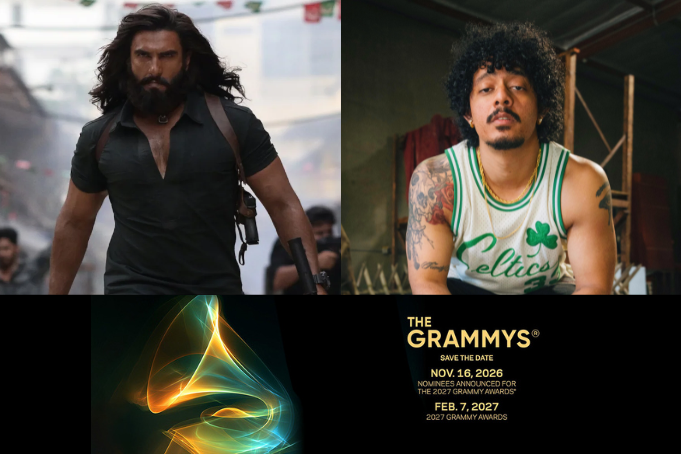
With Shreya Ghoshal officially announcing her membership to the Recording Academy, the conversation around the Grammys has jumped from a peaked interest only during awards season to one that’s du jour. Arguably one of India’s most prolific and best known singers has brought “music’s biggest nights” into popular debates.
Variety India offers a ready reckoner on Grammy voting membership, the tiers thereof, who can become a member, what the basic eligibility is, the other Indians who are members, why Indian presence as nominees and winners is limited only to a few non-televised categories.
Here’s an insider view on the functioning of the Recording Academy’s voting community…
WHO CAN BECOME A VOTING MEMBER?
According to Los Angeles-based songwriter Natania Lalwani, who is signed to Jay Z’s Roc Nation and is known for her musical contributions to film and television, “Being a Grammy voting member is about being an active contributor to the music industry. Whether you’re an artist, songwriter, producer or engineer, you need a body of professional work that demonstrates your contribution to music.”
Lalwani, who was invited to join the Recording Academy’s voting community in 2022, spells out the eligibility criteria. She shares, “The general requirement is 12 commercially released, verifiable credits, along with two recommendations from music industry professionals and your application then goes through a peer review process. I think what’s special is that it’s not necessarily about how well known you are, it's all about the music that you’ve created.”
IS THERE ONLY ONE KIND OF GRAMMY MEMBERSHIP?
Grammy U - International Ambassador for India and Sr. Manager - Artist Success at Madverse, Soham Sengupta tells Variety India that there are three tiers of memberships and that “the main difference really comes down to where you are in your career and what you do in the industry.”
WHO CAN APPLY TO BE A GRAMMY MEMBER?
Sengupta elaborates on who is eligible to apply. He reveals, “Grammy U is for emerging talent and young professionals building their careers in music. Professional Membership is for people who work in the business side of music, whether that’s management, labels, publicity, journalism or other roles that support music creators. Voting Membership is for recording artists, songwriters, producers, engineers and other eligible music creators who meet the criteria to vote for the Grammys.”
However, just being in these vocations isn’t enough. Speaking about the mobility between tiers, Sengupta further notes, “The idea is that you can move from Grammy U to either Professional or Voting Membership as your career develops. It isn’t an automatic graduation; you have to apply and meet the eligibility requirements. You can apply while you’re still a Grammy U member, but once you’re accepted into either of the other categories, your Grammy U membership ends. You can’t hold both at the same time. The memberships also connect through mentorship, networking and industry programmes, creating opportunities for people to learn from and support one another.”
VOTING MEMBER PRIVILEGES
One obvious privilege, believes Natania Lalwani, is “having a voice in recognizing the music and artists shaping our industry. The Recording Academy creates a community of musicians, songwriters, producers and creatives from all over the world. There are opportunities to connect, learn, advocate for our rights and be part of conversations about the future of music.”
She continues, “As a songwriter, I particularly appreciate that recognition isn’t limited to one type of creative. There are so many incredibly talented people behind every record, and being part of a community that celebrates that is truly meaningful to me.”
Related Stories

OTHER INDIAN GRAMMY VOTERS
Lalwani drops a few names. She says, “There are some incredibly talented Indian and Indian-origin musicians within the Recording Academy community, including Raashi Kulkarni, Subhi, Raja Kumari and many more!”
MORE VOTERS = BETTER REPRESENTATION?
A rising number of Indians in the voting community would naturally help lobbying for Indian songs sent for Grammy consideration. Lalwani agrees, “I think having more Indian voices in these spaces is incredibly important, not because we should automatically vote for music based on where it comes from, but because representation brings awareness, global perspective and a deeper understanding of different musical cultures and sounds! I truly believe that the more diverse the community becomes, the wider the musical conversation can become.”
THE CHANGE IS COMING
The blurred (geographical) lines are becoming all the more evident. Notes Lalwani, “We’re watching artists from different cultures and languages connect with audiences around the world in ways that weren’t possible before. One of my proudest songs to date was creating “Afterlife” by King and Nick Jonas to create that bridge and global culture moment.”
Soham Sengupta tells Variety India that across all membership categories - Voting Members, Professional Members and GRAMMY U members – there are several members from India. “But the community is quite fragmented, with people often operating within their own circles rather than as one connected ecosystem, he shares.
He continues, “As a Grammy U Ambassador, my focus right now is to grow the Grammy U community in India and encourage more emerging music professionals to become members and build a more holistic, connected community where people can support each other at different stages of their careers, learn from one another and build meaningful relationships across the industry. The idea is to create a stronger ecosystem where emerging professionals can connect with established industry professionals and creators, and continue to benefit from that network as their careers evolve.”
Says Natania, “One of the most exciting things about my own career has been getting to write across different worlds, from Indian music to K-Pop to pop music and soundtracks in the US. And it’s made me realize that music is becoming increasingly borderless and that’s how it should be! The only limit is a mindset, the world is our oyster!”
OF CLIQUE CLICHES
Indian and Indian-origin artistes tend to have limited nominations and success in non-televised categories, which include traditional classical genres or the fusion-heavy world music collaborations. Lalwani admits, “Indian classical music and fusion have historically had a stronger presence at the Grammys because those genres have long-established spaces within the Academy. And that’s something we should absolutely celebrate!” However, she also adds, “Indian music is so much more than one genre.
We have incredible music across all genres and film music being created every single day. I would love to see Indian artists recognized across all those categories.”
WHAT WILL IT TAKE FOR MORE INDIAN ARTISTS TO MAKE IT?
Natania Lalwani believes that it’s “never been a question of talent” as “India has some of the most extraordinary musicians and songwriters in the world. The bigger challenge, she says, ”Historically, it has been visibility, access and understanding how the global music industry works. Making an incredible song is one part of the equation, but getting that song heard internationally, having the right distribution, marketing, understanding the submission process for when to release your song and building awareness around the music are equally important.”
Prateek Rajgopal, who recently scored the background music for Bejoy Nambiar’s “Tu Yaa Main” starring Adarsh Gourav and Shanaya Kapoor is also a Grammy voting member, tells us that the change is happening “slowly, but surely” and thinks “it's just a matter of time” before more Indians break through.
He remarks that he was surprised that Hanumankind “didn’t make it at all” despite having a strong push, but adds that Indian artistry shining through is “inevitable,” that “you can’t miss us” and that “the future is going fresh and unique.”
WHY HANUMANKIND MISSED OUT
Speaking of Hanumankind and Kalmi’s “Big Dawgs” which “streamed very well” and made quite a bit of news, he calls it “so fresh, it’s incredible… he’s undeniable. The internet did the numbers and the executives didn’t have a choice. They were all like, ‘Oh my God, this guy’s a visionary. And despite all that, he was getting flak just for being who he was in comment sections on social media. At the same time, there's an equal amount of bots and paid promotion where who knows where the agenda comes from. I do feel like that has to change. Because word-of-mouth at the end of the day is what gets to the voting members and the producers. The moment every second person is talking about your project, there’s a chance for success. It [doesn’t matter how] brilliant you are.”
Charting the trajectory for Hanumankind’s campaign, Rajgopal says, “For ‘Big Dawgs’ and for Hanumankind, when the conversation started, it was up there. My music supervisor friend from Universal Music Group had placed the song as well in one of the movies, but that didn't get approved for some reason. However, everyone was talking about it and then, that buzz just went away with the mixtape. Just like that, it wasn't a conversation anymore. Sometimes, it is about luck, too, because everyone’s putting in money into marketing and like pushing their artists. But at the end of the day, it has to also click enough. That's where luck comes in, where it becomes a part of conversation.”
‘DHURANDHAR: THE REVENGE’’S CHANCES
Lalwani holds forth on how she feels “Dhurandhar: The Revenge” could fare as the film’s soundtrack moves from being eligible for submission in nine categories for the first round of voting between Oct. 12-22 to the time Grammy noms are announced on Nov. 16, 2026. She admits, “It’s incredibly exciting to see a major Indian film soundtrack being submitted across so many different Grammy categories. I was so excited about the music and the mixture of English and the new soundscape when I watched the film! I’d love to see more Indian films and soundtracks receive that kind of global recognition. Whether or not this particular project gets nominated, I hope it encourages many more Indian composers, producers and artists to put their work forward. The more we show up on these global stages, the more we help open the doors.”












Comments are moderated. They may be edited for clarity and reprinting in whole or in part in Variety publications.