



Jul 07, 2026 8:30pm IST
Beyond The Odyssey, Here’s Christopher Nolan’s Secret Filmography
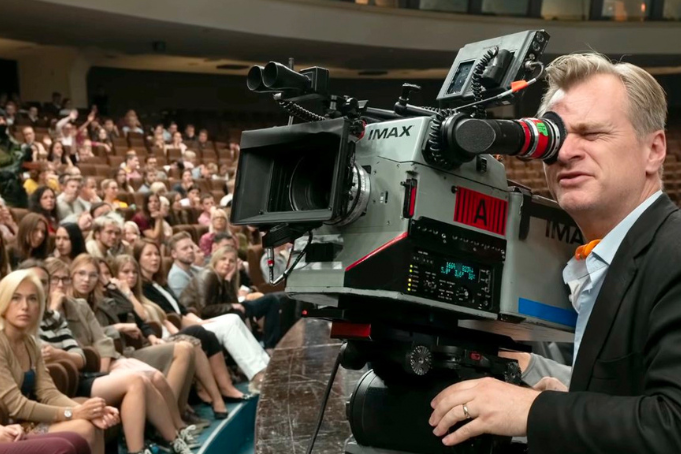
Christopher Nolan has spent the past three decades redefining filmmaking with mind-bending narratives, practical spectacle and stories that call for repeat viewings. As anticipation builds for “The Odyssey,” audiences are once again revisiting the filmmaker's extraordinary body of work, from “Memento” and “The Prestige” to “Inception,” “Interstellar” and “Oppenheimer.” But long before those films established him as one of contemporary cinema's defining auteurs, Nolan was quietly experimenting with the very ideas that would come to shape his career.
His earliest short films reveal a filmmaker already fascinated by fractured identities, subjective realities, moral ambiguity and the elasticity of time. Made with limited resources but remarkable ambition, these projects offer a fascinating glimpse into Nolan's creative instincts years before Hollywood came calling.
Related Stories
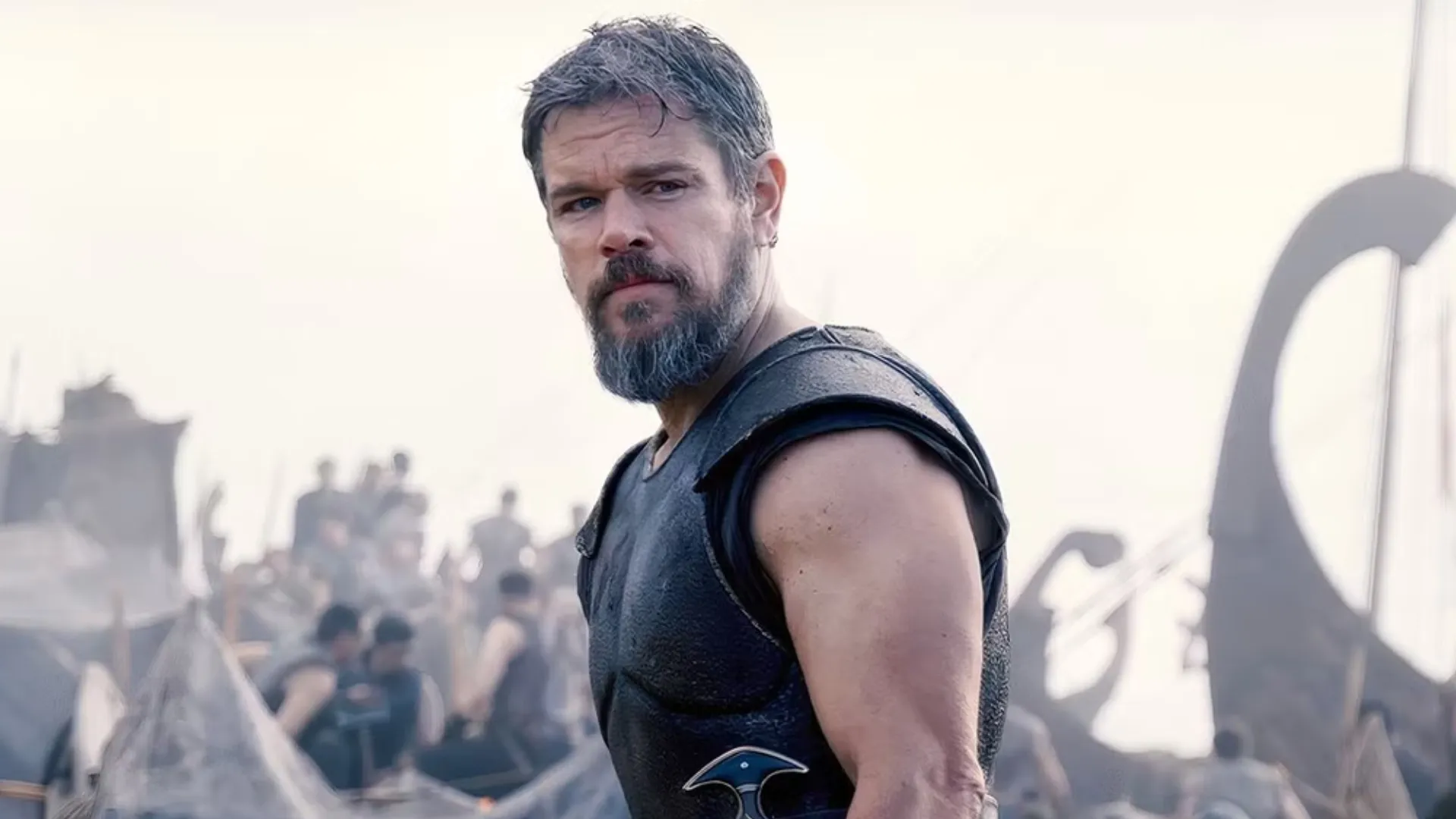
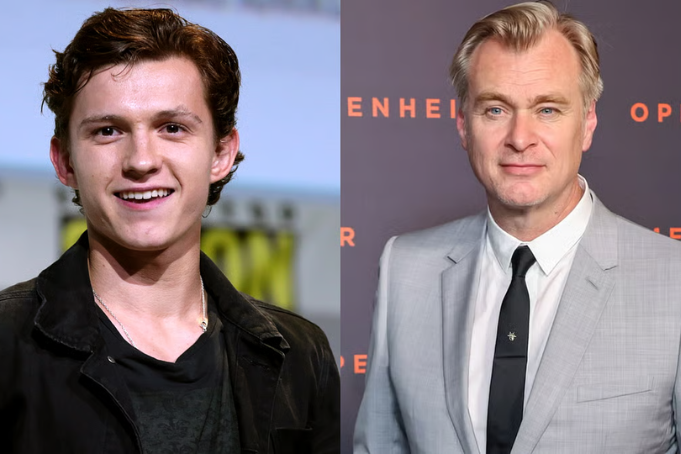
“Tarantella” (1989)
Christopher Nolan's earliest known directorial work, “Tarantella,” was co-written and co-directed with Roko Belic while the pair were students. The four-minute surreal horror short follows a young man trapped inside a nightmare filled with unsettling visions, distorted imagery and spiders. Long believed to have been lost, the film resurfaced in 2021, making it one of the most fascinating rediscoveries in Nolan's filmography. Although brief, “Tarantella” already hints at the dreamlike logic and blurred boundaries between reality and imagination that would later become central to films such as “Inception.”
“Larceny” (1996)
Seven years later, Nolan returned with “Larceny,” an eight-minute black-and-white crime short that he wrote, directed, photographed and edited himself. Shot over a single weekend using 16 millimeter equipment borrowed from the University College London Film Society, the film revolves around a burglary and stars Jeremy Theobald, who would later headline Nolan’s debut feature, “Following.” “Larceny” premiered at the 1996 Cambridge Film Festival but has never received an official public release, making it the rarest title in Nolan's directorial filmography.
Popular on Variety
“Doodlebug” (1997)
For many fans, “Doodlebug” remains the definitive Christopher Nolan short. Running just three minutes, the psychological thriller stars Jeremy Theobald as a man obsessively trying to kill what appears to be an insect inside a cramped apartment. What begins as a simple premise unfolds into a clever meditation on identity, recursion and self-destruction through one of the most memorable twists in Nolan’s early career. Produced by Emma Thomas, who would go on to produce all of Nolan’s feature films, “Doodlebug” is often viewed as the clearest blueprint for the filmmaker’s later fascination with nonlinear storytelling and existential puzzles.
“Quay” (2015)
Nearly two decades after “Doodlebug,” Nolan returned to the short film format with “Quay,” an eight-minute documentary celebrating legendary stop-motion animators Stephen and Timothy Quay. Rather than telling a fictional story, the film explores the creative process of two artists whose work has profoundly influenced Nolan's own visual imagination. He wrote, directed, photographed and edited the documentary, which premiered alongside a retrospective of the Quay Brothers' films that he personally curated. It remains one of the most intimate and personal projects in his career.
Looking back, these four films are more than early experiments. They reveal a filmmaker whose artistic voice was remarkably assured even before he made his first feature. Themes that would later define “Memento,” “The Prestige,” “Inception,” “Interstellar” and “Tenet” can all be traced back to these modest beginnings. As “The Odyssey” prepares to introduce audiences to Nolan's latest cinematic ambition, these overlooked shorts offer a rare opportunity to witness the origins of one of the most distinctive filmmaking careers of the modern era.




Comments are moderated. They may be edited for clarity and reprinting in whole or in part in Variety publications.