



Aug 18, 2026 7:01pm IST
‘Devdas’ to ‘DC’: Why Every Generation Rewrites India’s Ultimate Love Story
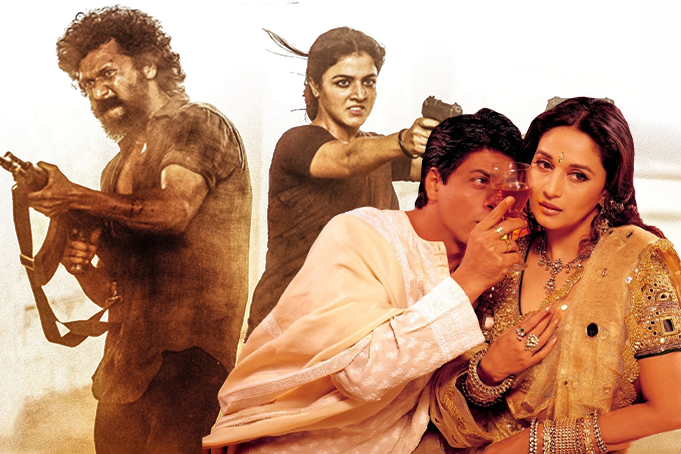
Some stories survive because they're timeless. “Devdas” has endured because directors from every generation have recreated this tragic romance in their language. More than a century after Sarat Chandra Chattopadhyay's landmark novel (1917), the heartbreaking saga of Devdas-Paro-Chandramukhi continues to fascinate South Asian makers, like few works of literature have. From silent films and studio-era classics to lavish blockbusters, political thrillers and contemporary reinterpretations, the lovers have repeatedly returned to the screen, each time in new avatars. Through faithful adaptations or radical reinterpretations, filmmakers continue to find ways into a story that refuses to age.
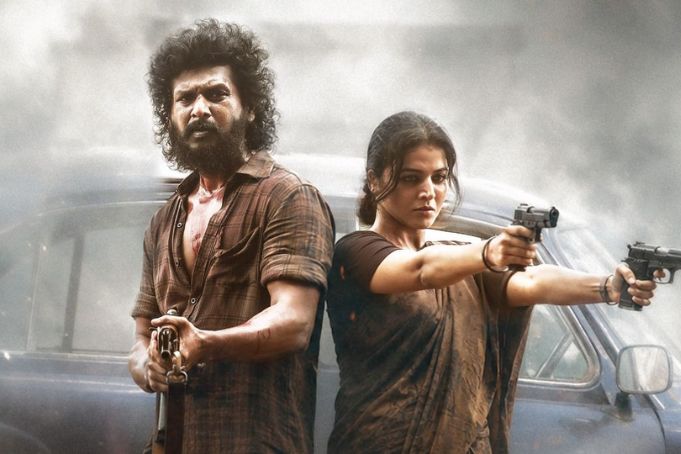
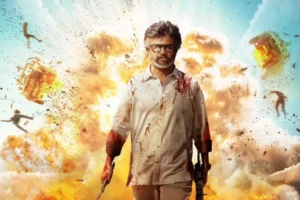
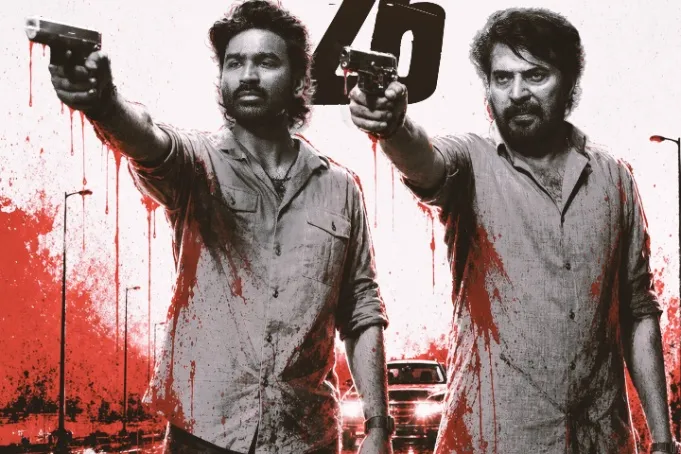
Now, with Lokesh Kanagaraj's “DC” widely drawing comparisons to the emotional framework of “Devdas,” the novel once again finds itself at the center of cinematic conversation.
The First Devdas
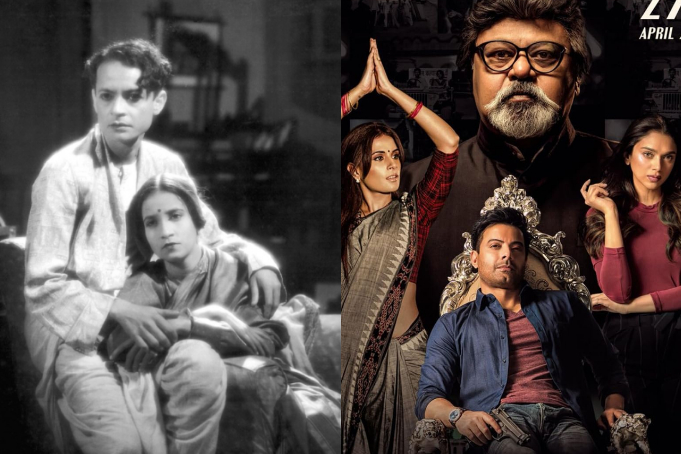
The journey began in 1928 with Naresh Mitra’s silent “Devdas,” starring Phani Burma, Tarakbala and Niharbala. Though little of the film survives, it marked the first screen adaptation of what would become one of the subcontinent's most enduring cinematic traditions.
Mitra's version marked the beginning of the cinematic “Devdas” tradition: a silent-era translation of Sarat Chandra’s tragic romance that established the story as screen material before sound transformed how later filmmakers approached its emotional world.
Related Stories
P.C. Barua and the Birth of a Screen Classic
The novel found its defining early voice under P.C. Barua. His Bengali “Devdas” (1935), starring Barua himself alongside Jamuna Barua and Chandrabati Devi, replaced theatrical melodrama with emotional restraint. A year later, Barua directed the Hindi version, casting K. L. Saigal as Devdas, Jamuna Barua as Paro and Rajkumari as Chandramukhi. Saigal's performance and unforgettable music transformed the film into one of Indian cinema's earliest classics. Barua completed an extraordinary trilogy by directing an Assamese adaptation in 1937 starring Phani Sarma, Zubeida and Mohini, making it one of the country's earliest multilingual screen successes.
Barua's great innovation was to make “Devdas” cinematic rather than theatrical: his Dev was not a conventional romantic hero, but a weak, narcissistic and deeply conflicted man whose self-destruction emerged from a rigid social order. The Hindi version, with K. L. Saigal, would establish the screen image of Devdas for generations to come.
South India Makes ‘Devdas’ Its Own
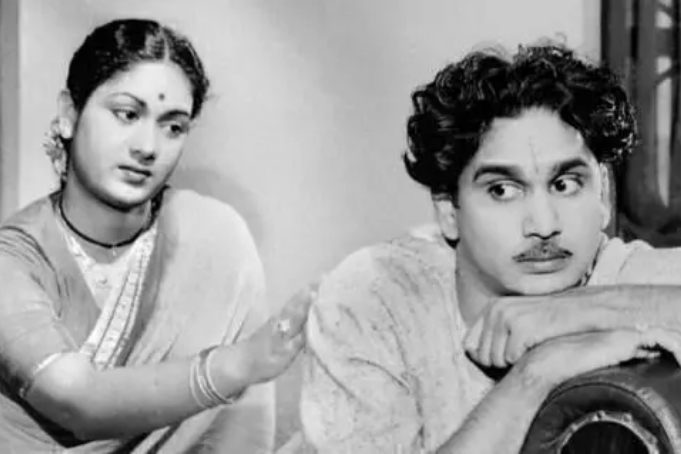
South Indian cinema embraced the tragedy in 1953 when Vedantam Raghavaiah simultaneously filmed “Devadasu” in Telugu and Tamil. Akkineni Nageswara Rao played the doomed lover in both versions opposite Savitri's Paro and Lalitha's Chandramukhi, creating two classics that remain benchmarks of Telugu and Tamil cinema.
Raghavaiah’s “Devadasu” brought the tragedy into the South Indian studio tradition without losing its emotional core, with Akkineni Nageswara Rao turning Devadasu into a defining romantic tragedy for Telugu and Tamil audiences.
Bimal Roy's Definitive Masterpiece
Only two years later came the adaptation many critics still regard as definitive. Bimal Roy's 1955 “Devdas” starred Dilip Kumar, Suchitra Sen and Vyjayanthimala in a version that abandoned theatrical flourish for devastating emotional realism. Roy, who had earlier worked as a cinematographer on Barua's Hindi adaptation, understood that the tragedy lay as much in silence as in dialogue. More than seven decades later, the film remains one of Indian cinema's finest literary adaptations.
Roy’s “Devdas” stripped the story down to its emotional and social tragedy. Dilip Kumar’s restrained performance, alongside Suchitra Sen and Vyjayanthimala, made this a realist counterpoint to the heightened melodrama of earlier versions and turned Devdas’s self-destruction into something painfully human.
A Classic That Pushed The Boundaries
Pakistan mounted its first Urdu adaptation of the novel in 1965 under Khwaja Sarfraz, starring Habibur Rehman, Shamim Ara and Nayyar Sultana. Telugu cinema revisited the story in 1974 through Vijaya Nirmala's "Devadasu," featuring Krishna, Vijaya Nirmala and Jayanthi. Then came perhaps the franchise's strangest chapter. Dasari Narayana Rao's "Devadasu Malli Puttadu" (1978) imagined Devadasu reincarnated for another chance at love, reuniting Akkineni Nageswara Rao with his iconic role in what functioned as a spiritual sequel rather than a direct adaptation.
“Devadasu Malli Puttadu” went beyond adaptation and asked whether Devadasu could be given something the original never allowed him: another lifetime and another chance at love. It turned the tragedy into a story about reincarnation, promises and the possibility of emotional redemption.
Bengal returned to its literary cornerstone with Dilip Roy's "Devdas" (1979), led by Soumitra Chatterjee, Sumitra Mukherjee and Supriya Choudhury. Bangladesh had its version of the classic in the form of Chashi Nazrul Islam's acclaimed 1982 adaptation starring Bulbul Ahmed, Kabori Sarwar and Anwara.
Malayalam cinema embraced the novel when Crossbelt Mani directed "Devadas" (1989), featuring Venu Nagavally, Parvathy and Ramya Krishnan.
Across these versions, the significance of "Devdas" was no longer limited to one Bengali literary tradition: each language and film culture could locate its own social realities inside the same doomed love triangle.
Reinvention Over Repetition
The new millennium produced the version that introduced "Devdas" to an entirely new generation. Sanjay Leela Bhansali’s 2002 adaptation transformed Chattopadhyay's intimate tragedy into operatic spectacle. Shah Rukh Khan, Aishwarya Rai, Madhuri Dixit and Jackie Shroff headlined a film that premiered at the Cannes Film Festival and became India's official submission to the Academy Awards. Its towering sets, elaborate choreography and heightened emotions made it one of the defining Hindi films of the century.
Bhansali's "Devdas" was an opulent, operatic reimagining of the tragedy. Shah Rukh Khan, Aishwarya Rai and Madhuri Dixit inhabited Dev, Paro and Chandramukhi inside a world of monumental sets, elaborate costumes, music and heightened emotion, turning the familiar story into a full-scale cinematic spectacle.
That same year, Bengali cinema reclaimed the novel through Ashim S. Samanta's adaptation, starring Prosenjit Chatterjee, Arpita Pal and Indrani Haldar, reaffirming that "Devdas" belonged as much to Bengal as to the rest of the subcontinent.
When ‘Dev.D’ Broke the Myth
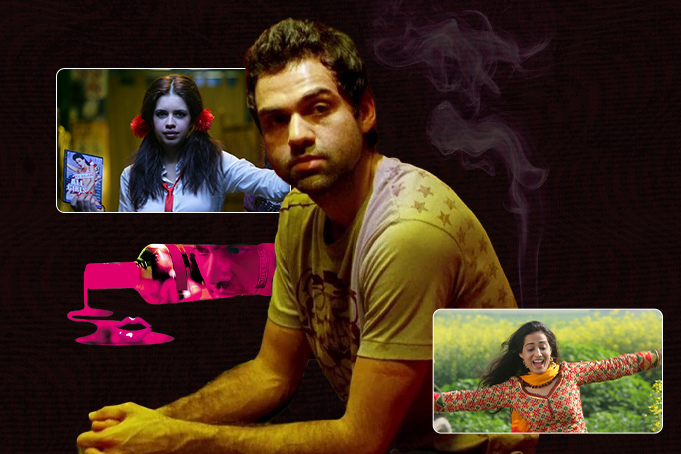
Then came the film that refused to romanticize its hero. Anurag Kashyap's "Dev.D" (2009) dismantled the mythology of "Devdas" altogether. Abhay Deol's Dev was flawed, privileged and emotionally adrift, while Mahie Gill's Paro and Kalki Koechlin's Chanda became fully realized women rather than symbols of sacrifice. Instead of preserving the legend, Kashyap interrogated it, creating one of the most influential reinterpretations of modern Indian cinema.
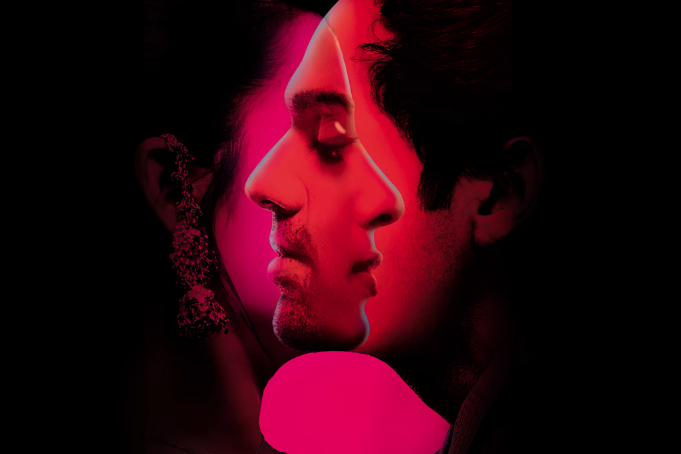
“Dev.D” was a ferocious contemporary dismantling of the "Devdas" myth. Kashyap's characters were messy, sexual, morally complicated and unapologetically flawed, while Paro and Chanda were given agency and shades of grey that moved them beyond the sacrificial archetypes of earlier adaptations.
Politics, Streaming and the Next Chapter
Pakistan revisited the tragedy once again in 2010 through Iqbal Kashmiri's "Devdas," starring Nadeem Shah, Zara Sheikh and Meera. Bangladesh followed with Chashi Nazrul Islam's 2013 remake featuring Shakib Khan, Apu Biswas and Moushumi, proving that the story continued to resonate across generations.
Sudhir Mishra's "Daas Dev" (2018) transplanted the emotional architecture of the novel into contemporary politics, with Rahul Bhatt, Richa Chadha and Aditi Rao Hydari navigating a world where power replaced aristocracy but obsession remained unchanged. "Daas Dev" treated the "Devdas" template as political rather than purely romantic, replacing the feudal world of the original with the machinery of contemporary power and ambition. The tragedy remained, but its battleground had changed.
Around the same period, the streaming series "Dev DD" reimagined the narrative through a contemporary feminist lens, further demonstrating the novel's remarkable elasticity.
Enter ‘DC’
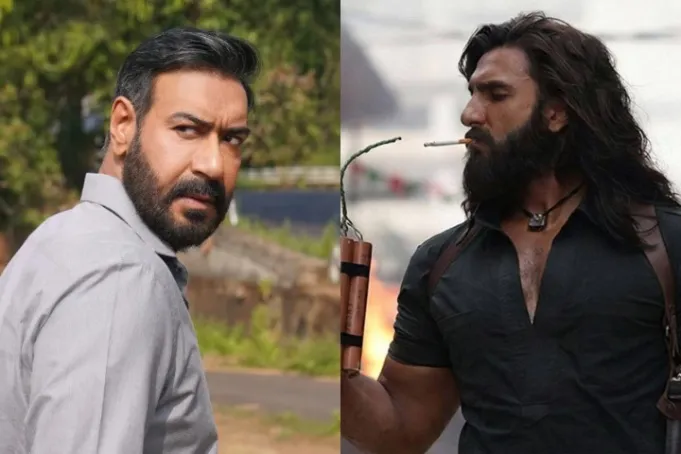
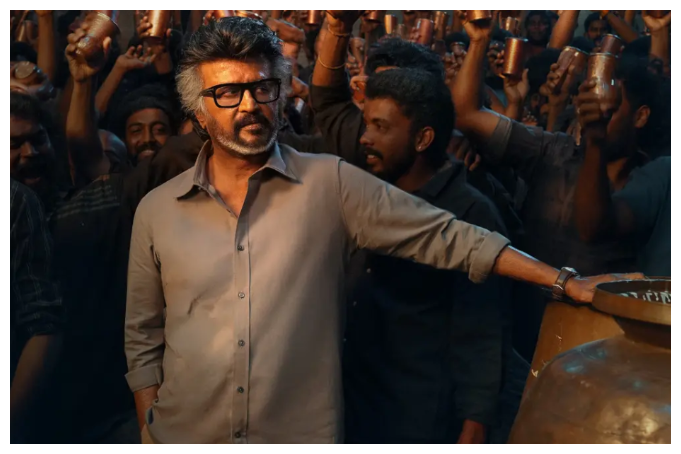
Now comes "DC." Although the makers have not officially described it as an adaptation of "Devdas," comparisons have followed the project ever since its announcement. The names, emotional dynamics and promotional material have prompted audiences to draw parallels with Chattopadhyay's novel long before the film's release. Whether those comparisons ultimately prove accurate is almost beside the point. The conversation itself demonstrates the extraordinary cultural footprint of "Devdas."
Why ‘Devdas’ Refuses to Die
Every filmmaker has inherited the same tragedy but discovered a different meaning within it. P.C. Barua found quiet melancholy. Bimal Roy uncovered humanism. Bhansali embraced operatic romance. Kashyap dismantled the myth, while Mishra politicized it. None simply remade "Devdas." Each reinterpreted it for a new audience.
For more than a hundred years, filmmakers haven't been trying to preserve “Devdas,” they've been trying to answer it. Every era discovers a different Dev, a different Paro and a different Chandramukhi because every era understands love, pride and regret differently. That may be Sarat Chandra Chattopadhyay's greatest achievement. His novel no longer belongs to a single language, country or filmmaker. It belongs to cinema itself.








Comments are moderated. They may be edited for clarity and reprinting in whole or in part in Variety publications.