



Nov 15, 2026 8:00pm IST
Anmol Sidhu on ‘Flowers of Acacia,’ the Real-Life Killing That Inspired It and Humanizing Punjab’s Orchestra Dancers (EXCLUSIVE)
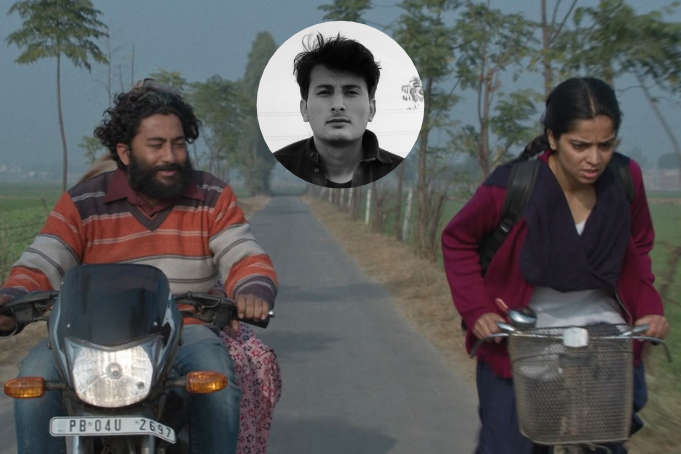
After the raw terrain of his critically acclaimed debut feature, "Jaggi," director Anmol Sidhu turns his gaze to Punjab's wedding orchestra dancers in his second film, "Flowers of Acacia" ("Kikkran De Phull"). Inspired by true events, the film premiered as the Centrepiece Special Night selection at the New York Indian Film Festival and was nominated for Best Indie Film at the Indian Film Festival of Melbourne.
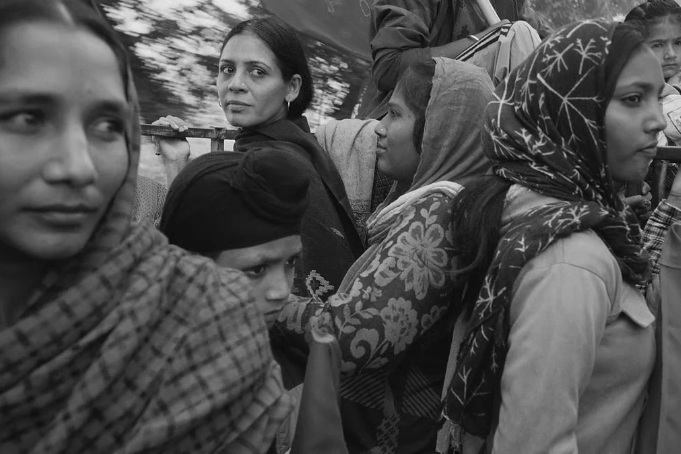
It was recently screened at the Dharamshala International Film Festival, where it received a standing ovation. With remarkable sensitivity and nuance, the film explores the dreams and vulnerabilities of these women under the weight of deep-seated misogyny.
Excerpts from a conversation with Variety India:
Explain in detail the incident that inspired the making of ‘Flowers of Acacia’.
I was in Chandigarh around 2014–15 when I came across a video of an orchestra dancer who was shot dead at a wedding. I remember being horrified by the way they dragged her body from the stage. At the time, concepts such as patriarchy were beyond me — I am still learning about it — but it bothered me as a human being to see another human being treated that way. Years later, I was looking for another film to make after “Jaggi.” I was married, my wife was pregnant; that made me think of that woman, because she was pregnant when she was killed. The film involved a lot of research and spending time with orchestra dancers to understand their lives.
Related Stories
Why the title "Flowers of Acacia"?
I come from a small village called Kauloke in the Bathinda district of Punjab, and there are a lot of kikkar (acacia) trees in our neighborhood. The flowers are beautiful, and the streets are strewn with them, but nobody picks them up. I found that very relatable to the lives of these girls. They look so beautiful in their makeup and bright clothes, but their lives have no value, just like those flowers.
How did the actors prepare for the film?
Most of them are from my theater group. Jasskirat Bajwa, who plays Rani, was also in “Jaggi.” They started living in a village two or three months before the shoot. One of the girls learned how to make gobar ke uple (cow-dung cakes) and do household chores. Most of them didn't know Punjabi, so they learned the language. They performed at 25 to 30 weddings at least. Apart from the last wedding sequence, all the weddings shown in the film are real.
‘Jaggi’ was a lot more violent than your latest film…
Yes, that was more graphic. I was very young when I made that film. Now I have grown, and my mind has changed. I can't disown that film; I made it. But you can't make the same film again. As a filmmaker, the feelings remain the same, but you change as you grow and evolve. I saw a lot of violence at home in my childhood. I am a very violent person; I am a by-product of that. There have been times when I got very angry and ruined relationships because of it. All those things are inside me, but I am trying to make sense of them through my artistic expression and make peace with them.
Popular on Variety
Your films have found an audience at film festivals. Are you worried about being labeled a festival director?
That tag is already there. I think it is enough for now that people are getting to watch my films. Things will happen gradually. I am making these films for myself. It doesn't matter much to me what kind of director I am called. I make films to make sense of what lies within me.
What's next?
I am working on my next film. It is also set in Punjab and is the story of a girl. I can't say much because it's in post-production. I am trying to recreate things I saw in my childhood.





Comments are moderated. They may be edited for clarity and reprinting in whole or in part in Variety publications.