



Nov 13, 2026 3:00pm IST
BIFF ‘Best New Director’ Shashank Walia on What Indian Film Festivals Need: ‘State Support Is Key’ (EXCLUSIVE)
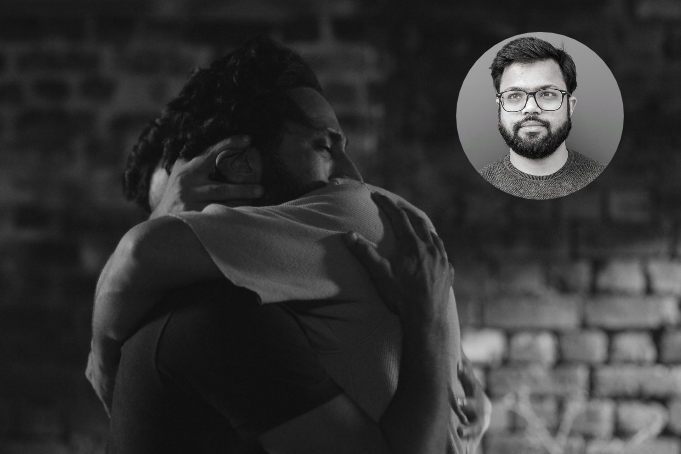
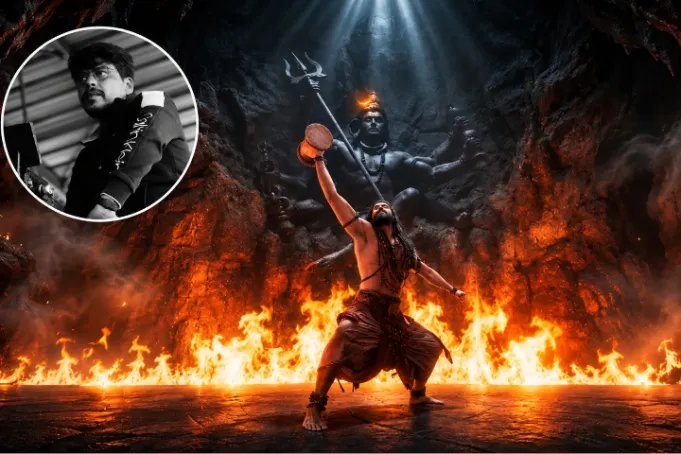
India is a film-loving country, admits Shashank Walia, who was recently named the Best New Director for his debut with “Birds in the Dark” at the 31st Busan International Film Festival. The black-and-white film was also awarded the Songwon Vision Audience Award – Asia.
Fresh off his success at Busan and then closing out the Dharamshala Film Festival, the director talks to Variety India about the many differences he has noticed at the two events. On Indian film festivals, Walia shares, “First of all, the space is shrinking. There is no doubt about it. There are very few festivals now. New festivals are coming up, but it will take time for them to set up and be as popular as DIFF or Kerala. There is Kolkata, but it has been a mix of curation and overall programming. Some years, it's quite good; others, it's not fantastic. Even the infrastructure there is not that great at times.”
Related Stories
He lists how the International Film Festival of Kerala (IFFK) has the upper hand thanks to its film body. “There is a proper film office and theaters with multiple screens. Within the vicinity of the festival, there are multiple small theatres and exhibition spaces. So that is what is missing in other spaces.”
Comparing the South Indian event to the others in the country, he says, “Kolkata has the infrastructure, but it's a mixed bag. And DIFF is now just coming up there, bringing temporary theatres and inflatable ones. They are trying to get as many shows as possible, looking to build more access for audiences.”
Sharing what he thinks might be the cause of these starkly different situations, the director gives the example of his experience at BIFF, “State support is the key to any film festival. I went to Busan. They have money coming from the central pool but also from the local government. They have a big film office and a whole film market exhibition space. Then they have a cinema centre and theaters. During the festival, the whole city becomes a film city. The people are part of that film culture. We are not able to nurture that somehow. We have IFFI, which is state-sponsored, but it’s not enough.”
Popular on Variety
Walia is aware that BIFF, which began back in 1996 and DIFF, which is only 15 years old, cannot be at the same level. He notes the other distinctions that set Busan apart, “A whole area is just meant for the festival in Busan. They have cinema chains like ours which allow for a lot of screenings. So the number of footfall is huge. And because of that, the festival begins to gain more recognition, not just fundamentally by the occupancy. They have more workshops, markets, platforms for new filmmakers to come and pitch their films, do workshops and have one-on-one meetings with co-producers and sales agents. The whole ecosystem is built towards that festival. That's what is missing in our space right now.”
Plus, the audience is very aware in the South Korean city, he says, where they read up on the films being screened and build a cine-positive culture. He emphasizes, however, that the interest from movie lovers in India is as high as ever, “I don't think the audience is a problem. At DIFF, I was told that three weeks before the festival, they had sold out all the passes. So that means there is demand. But the infrastructure is not enough to fulfil that demand. They have the spirit, the conviction and their ambition. All they need is state support.”


Comments are moderated. They may be edited for clarity and reprinting in whole or in part in Variety publications.