



Nov 15, 2026 4:00pm IST
Sabyasachi Chowdhury on ‘Sadhak Bamakhyapa’ and the Devotional Film Wave: ‘It’s Not About the Right Time; It’s About the Right Film’ (EXCLUSIVE)
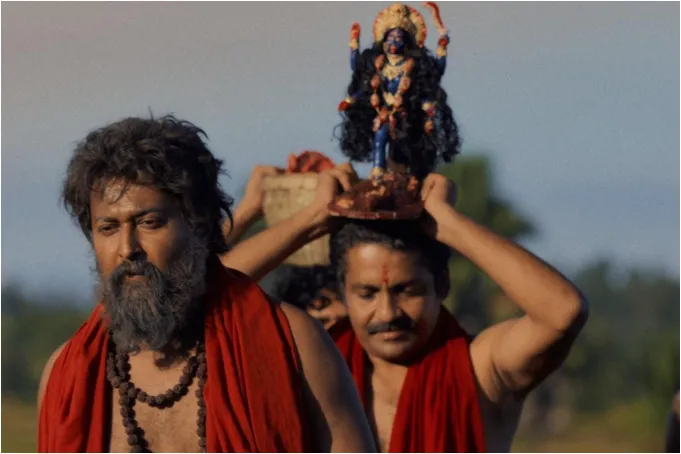
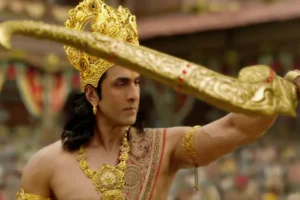
A notable Bengali release this month, "Sadhak Bamakhyapa" arrives in theaters on November 20, after originally being scheduled to release at Diwali alongside “Ramayana: Rise Of A Legend.’ Sabyasachi Chowdhury reprises the role of the mystic saint he plays on television series “Mahapeeth Tarapeeth,” alongside Payel De as Maa Tara and Shahebb Chattopadhyay in a pivotal role. Chowdhury also is the film’s writer and creative director.
In an exclusive interview with Variety India, he discusses his responsibilities, why devotional films are working and how playing the character has changed him.
Excerpts:
You juggle multiple responsibilities for ‘Sadhak Bamakhyapa’…
I began working on this project in August 2024, first as a writer, then as a creative director. Finally, I took on the role of the saint. Yes, my involvement is at various levels, and that brings a lot of expectations.
Why do you reckon devotional films are doing so well at the moment? How does your film cater to the audience?
The genre is popular right now and there is also a drive to create that larger-than-life feeling in theaters. A devotional story might be extremely well known, like the 'Ramayana.' But when we retell the same story in a visually stunning manner, it adds more value for cinemagoers. Our film is not only about visuals; it is also deeply rooted in Tarapith (the temple town known for Maa Tara) and the rural belt of West Bengal. I understand there are plenty of new films coming up based on devotional subjects, but I think each one has a different perspective.
Related Stories

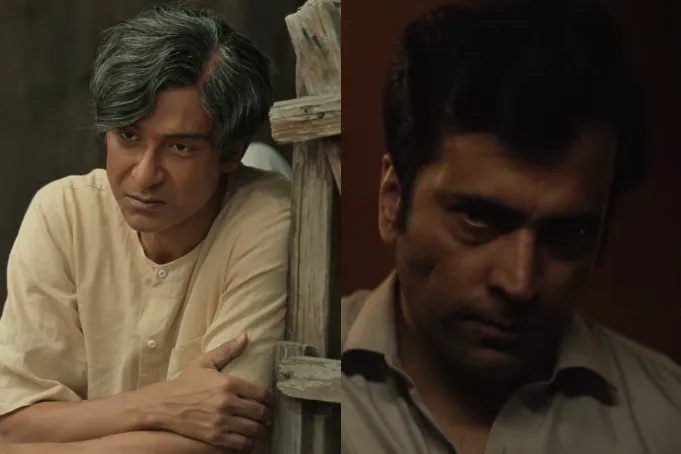
You’ve played Bamakhyapa in the TV show "Mahapeeth Tarapeeth." How is this film different?
When I was working in television, the approach was very different. I played the same character for over three years in 'Mahapeeth Tarapeeth.' Here, we are trying to compress everything into a single film, including the man's transformation and his journey from his teens to old age. I had to gain 20 kg to achieve the physicality of the character. There are other aspects of Bama, too. He left home at 15 or 16, and after that, he was always found in the cremation ground of Tarapith. Attaining that state of mind and body was challenging. It is also very different from what I did on television because we have tried to create a visual spectacle here.
Maa Tara is worshipped in many parts of eastern India. Are there any plans to dub the film in other languages?
A lot of people from Bihar, Jharkhand and Uttar Pradesh and Mumbai as well, have asked me whether we plan to release the film pan-India. There are no such plans as of now, but that's in the hands of the makers. If they want to create a dubbed version later, they can definitely do that.
Do you believe that a devotional film is the best bet to take Bengali cinema beyond the state?
It's not about the right time, it's about the right film. I believe that with this kind of content, language is not a barrier. We all have watched “The Passion of the Christ” without being Christian, right? We absolutely love to watch it. Language can never be a barrier when it comes to this kind of movie.
Popular on Variety
What are your takeaways from films like ‘Mahavatar Narsimha’ and ‘Hanuman Ansh’?
'Mahavatar Narsimha' is animated but strikes a wonderful balance between devotion and action. It has so many goosebump moments. 'Hanuman Ansh,' on the other hand, is a more rooted film. I feel that is why it succeeded on such a large scale: people saw the real side of the man (Neem Karoli Baba). It is not about language or which god you pray to; it is about the emotions that build up while you watch such a movie. Nobody from any part of India had trouble understanding 'Hanuman Ansh.' While watching 'Sadhak Bamakhyapa,' you will understand how devoted Bama was to Maa Tara.
How has playing Bamakhyapa affected you?
I have become more patient after this film because I realized that I have invested two years of my life in it. Secondly, I would like to say that when you read about religious texts, Tantra, the stotras (hymns), your philosophy in life also changes as you dive into the theories. I have figured out that a bit of my philosophical outlook has been tweaked.







Comments are moderated. They may be edited for clarity and reprinting in whole or in part in Variety publications.