



May 27, 2026 5:06pm IST
‘Shape Of Momo’ Review: An Unflinching, Beautifully Imperfect Slice Of Himalayan Life
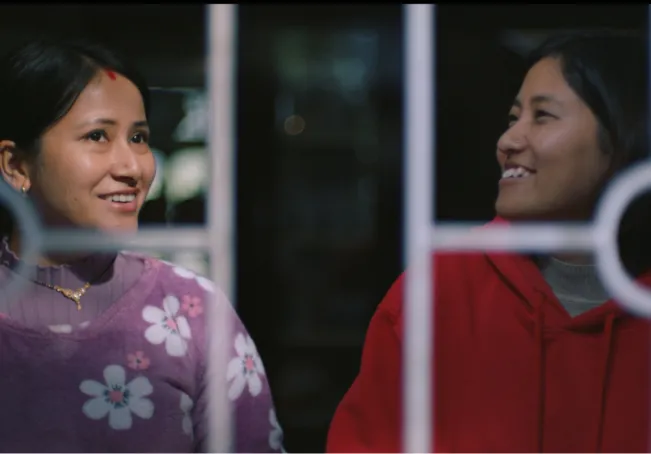
The landscape of independent Indian cinema is undergoing a massive shift, spearheaded by distinct regional voices. Arriving in cinemas on May 29, 2026, with formidable momentum, ‘Shape of Momo,’ written by Kislay and Tribeny Rai, and distributed by Spirit Media, stands at the absolute forefront of this movement. It is a quiet powerhouse of a film that trades glossy cinematic idealism for the raw, complex textures of real life.
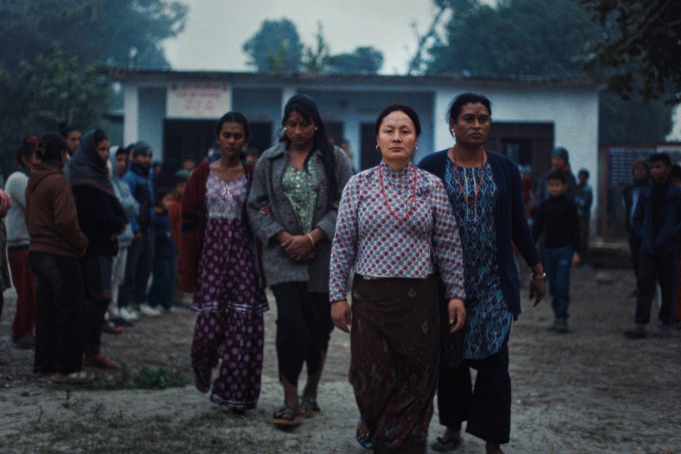
The film follows Bishnu, a 32-year-old woman, who quits her job in the city to return to her ancestral Himalayan village. What awaits her is not a peaceful sanctuary but a claustrophobic web of mounting family pressures and rigid societal expectations. The household is populated entirely by women trapped in apathy following the deaths of the family’s male members. Her grandmother is still desperately hoping her son will return from Dubai, her mother is eager to see Bishnu finally married off and her pregnant sister Junu is seeking refuge from her overbearing in-laws. Bishnu finds herself suffocatingly caught between tradition and her desire for independence, forcing the audience to confront what happens when the men leave and the women are left to pick up the pieces.
Related Stories

What makes ‘Shape of Momo’ an absolute triumph is Tribeny Rai’s refusal to cater to standard cinematic expectations. In an industry obsessed with righteous, self-sacrificing female leads, Rai aggressively strips away the pressure of being perfect just to exist.
Bishnu is not a protagonist you can easily empathize with or cheer for from start to finish. She is critical, she is selfish and she is deeply human. By showcasing how complex humans are, the film takes off the pressure of perfection, offering a refreshing look at a character type rarely seen in world cinema today.
The film’s palpable, atmospheric tension stems from its deep-rooted authenticity. Shot in the very Sikkim villages where Rai grew up and utilizing the filmmaker’s own ancestral home, the setting serves as a living, breathing character.
Furthermore, the casting of Gaumaya Gurung is a masterstroke of representation. For a region so often neglected by mainstream Indian cinema, seeing Nepali women from the community as actors brings invaluable nuances to the screen. Gurung breathes lived-in truth into Bishnu, blurring the lines between director and actor so beautifully that audiences at festival markets famously mistook Rai for the lead actor herself.
“Shape of Momo” does not set out to give a message, and it is all the stronger for it. Instead, it weaves a tapestry of shared burdens, where viewers will find part of themselves in each character. To navigate society today, we have to be a little bit of everything — a sentiment the film captures flawlessly.
When you tell a story from a place of honesty, it becomes universal. “Shape of Momo” is a rare, hauntingly honest piece of cinema that will stay with you for days after the credits roll. Do not miss it.











Comments are moderated. They may be edited for clarity and reprinting in whole or in part in Variety publications.