



Jul 25, 2026 2:00pm IST
‘Rang De Basanti’ to ‘Gully Boy’: The Songs That Became Protest Anthems
Before every movement finds a slogan, it finds a song. Somewhere between chants and silence, a familiar melody begins to rise. A verse written decades ago slips into the present tense. A film soundtrack escapes the screen. A rap lyric becomes a rallying cry. Across India's ongoing student protests, music has once again become more than accompaniment. It has become memory, conviction and, perhaps most importantly, a reminder that art has always arrived where politics struggles to.
The soundtrack itself is striking. It refuses to belong to one generation. There is Faiz Ahmad Faiz, whose "Hum Dekhenge" and "Bol Ke Lab Azaad Hain Tere" continue to outlive the eras that produced them. There is Bismil Azimabadi's immortal "Sarfaroshi Ki Tamanna," a poem carried through India's freedom struggle before finding renewed life at campuses and demonstrations decades later. These are not merely poems anymore. They are part of India's civic vocabulary, returning whenever history demands language that is both defiant and humane.
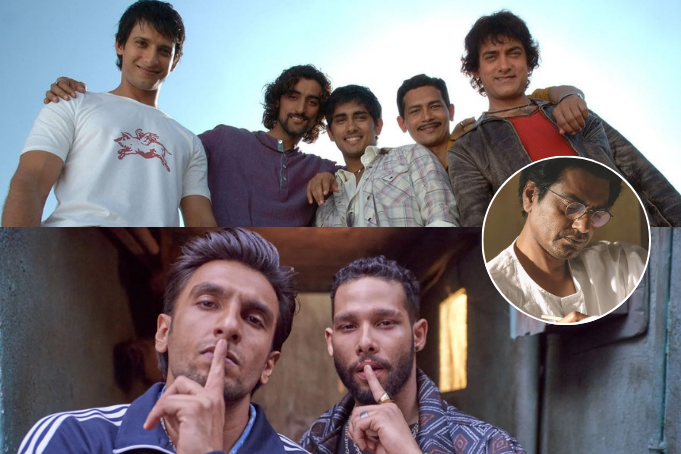
Cinema, too, has quietly built its own archive of resistance. Few films have captured youthful awakening with the cultural force of Aamir Khan starrer "Rang De Basanti." Two decades after its release, the film's music continues to surface whenever young Indians find themselves confronting institutions larger than themselves. The title track pulses with restless energy, "Khalbali" captures the emotional turbulence of political awakening, while "Khoon Chala" transforms grief into quiet resolve. None of them were written as protest songs. Yet each has become inseparable from the emotional landscape of public dissent.
Related Stories
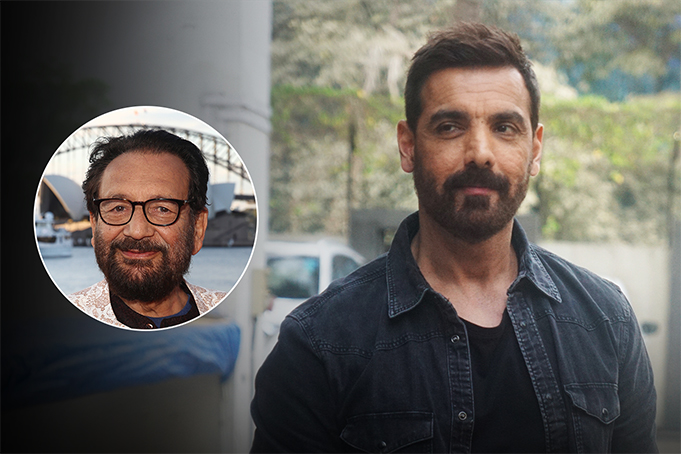
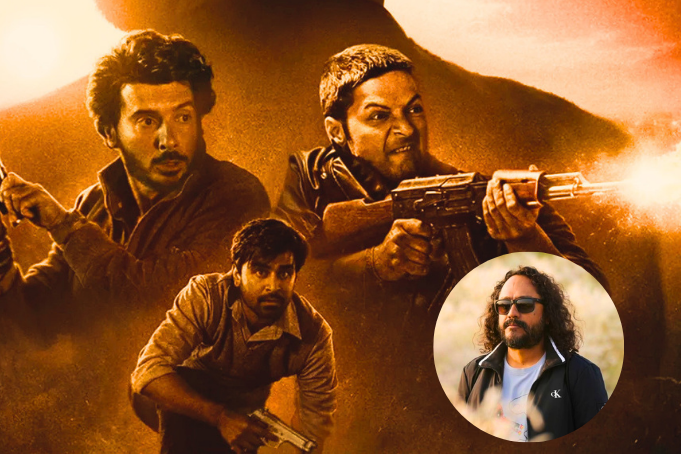
The same holds true for "Mera Rang De Basanti Chola" from "The Legend of Bhagat Singh." Rooted in the story of one of India's most enduring revolutionaries, the song speaks less about martyrdom than conviction, preserving the ideals of sacrifice and courage through cinema's most accessible language: music.
What makes these songs endure is not anger. It is hope. "Yeh Jo Des Hai Tera" from Ashutosh Gowarikar's "Swades" is ultimately a song about belonging. "Chale Chalo" from "Lagaan" celebrates collective perseverance against impossible odds. The title track of "Lakshya" charts the journey from uncertainty to purpose, while "Aazadiyan" from "Udaan" gives voice to the deeply personal act of breaking free from oppression. Even Rabindranath Tagore's "Ekla Chalo Re," reimagined in "Kahaani," continues to remind listeners that conviction often begins in solitude.
They are patriotic without being triumphalist, idealistic without becoming naïve. Their protagonists are not superheroes. They are ordinary people discovering extraordinary courage.
That evolution continues in contemporary music. If Faiz gave earlier generations their poetry, hip hop has become the language of today's discontent. "Azaadi" from "Gully Boy" reframed freedom through the lens of class, identity and aspiration, proving that protest music need not abandon mainstream cinema to retain its urgency. Tracks like "Mantoiyat" by Raftaar and "Vartalap" by Kaam Bhaari similarly transformed personal experience into broader social commentary, carrying forward the same impulse that once lived in nazms and revolutionary verse.
Perhaps that is what binds this unlikely playlist together. These songs were never written for the same movement. They emerged from period dramas, coming-of-age stories, sports epics, biographical films, independent hip hop and poetry that predates Indian Independence. Yet they continue to find each other because they are built on the same emotional architecture: justice over complacency, empathy over indifference and hope over despair.
That may also explain why they continue to resonate long after the films leave theatres. The finest songs in Indian cinema have rarely functioned as narrative pit stops. They have carried ideas. They have questioned power, celebrated resilience, mourned loss and imagined a more equitable future. In doing so, they have quietly become part of the country's democratic memory.
Every generation inherits its own protest. It also inherits its music. Long after the placards are folded away and the headlines are replaced, these songs will remain—passed from one campus to another, one playlist to the next, reminding listeners that while every movement writes its own history, it rarely composes an entirely new soundtrack. The most enduring ones have already been waiting for their cue.















Comments are moderated. They may be edited for clarity and reprinting in whole or in part in Variety publications.