



Sep 28, 2026 5:40pm IST
Producer Dheer Momaya on Taking Gujarati Genre Cinema Global: ‘The 20 Million Gujarati Diaspora Audience Who Can Pay Has Not Yet Been Accessed’ (EXCLUSIVE)
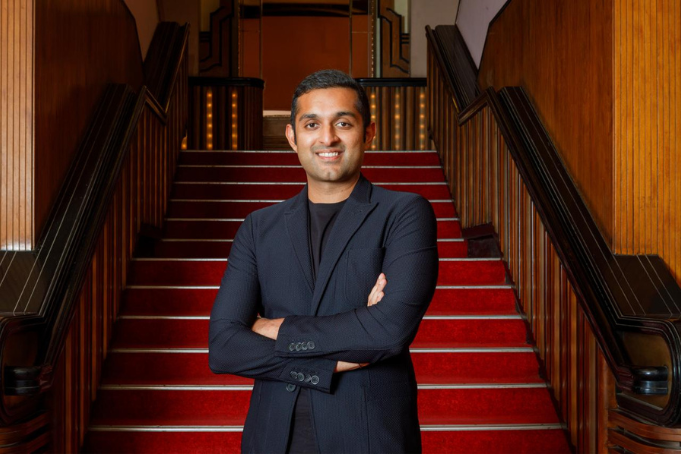
Director and producer Dheer Momaya of Jugaad Motion Pictures is betting heavily on Gujarati cinema. As co-producer of Pan Nalin’s film “Chello Show” (Last Film Show), which was submitted as India’s official entry to the Oscars in 2023 and shortlisted, Momaya witnessed a whole different juggernaut of marketing and distribution across countries and languages. And now, he plans to implement those ideas back home, especially now that films like “Laalo” have shown an audience appetite.
Talking exclusively to Variety India, Momaya revealed Jugaad’s plans to mount some Gujarati films as part of their upcoming slate of projects. “Gujarati cinema is generally having a bit of a renaissance moment. It's had a partial pan-India moment with ‘Laalo’, which broke all box office records. But I feel like, generally, Gujarat has been one of those states that's been colonised by Hindi-language films, because it's one of the states that also understands them, similar to Punjab, Haryana, Uttar Pradesh, Bihar and Madhya Pradesh, even though they have indigenous languages and indigenous film industries. And that, I believe, is finally changing.”
Related Stories



But Momaya doesn’t want to limit his ambition to merely domestic Indian markets. In the process of predicting that once it matures for Gujarat, the pan-India market will follow suit and hopefully the international market will too. He cites the example of “Chhello Show,” which, owing to multiple regional distributing partners, released across America, several European countries and even in Japan before its France release in August this year, some six years since it first came out.
“‘Last Film Show’ was taken to a purely non-Indian diaspora audience. However, if we had even tapped into a small percentage of the Gujarati-speaking diaspora for it, that would have reflected very differently in our box office numbers as well. It would not have been a world cinema box office number. But we would have also got access to these high-paying viewers that make up the Gujarati community globally.” He continues, “The Gujarati market is an interesting demographic. You have 80 million people who speak Gujarati globally, of which 60 million live in India and 20 million live abroad. That 20 million has not been accessed for Gujarati films. They watch Hindi films and can actually pay $10-$15 per ticket or pay-per-view if it's marketed and distributed to them with a community-led marketing strategy. And that’s how we can access a global Gujarati audience.”
Momaya’s plans to go global with Gujarati films come at a time when the industry is finally stepping out of its comfort zone of slapstick comedies and family films and building a roster of genre films that other industries are taking notice of too. The supernatural horror franchise “Vash” has been remade into Hindi. “Laalo” has broken box office records and has a Telugu remake in the pipeline with major names attached. Abhishek Jain’s “Maaran,” which showcased at international Asian film festivals and won the Best Gujarati Film at the 72nd National Film Awards, is a slick crime thriller drama. So the opportunity for indigenous Gujarati stories is great.
Popular on Variety
Momaya infers, “I think the genre is always the question. Traditionally, comedies and slice-of-life films have done well in Gujarat. But now, if you look at ‘Laalo’, its genre is a survival film. If you look at ‘Jhamkudi’, it was a horror comedy. Evidently, even Gujarat is embracing the genre movement that the whole world is looking at quite closely. You have films like ‘Obsession’ and ‘Backrooms’ that have done insane global box office numbers without big budgets and big stars, and merely leaning on the genre. So I feel like even with the Gujarat strategy, it would make sense to lean on the genre.”
Moreover, Momaya’s plans lean towards a distribution and marketing transformation, over just production because he believes that’s already begun for Gujarati cinema. It’s all about disrupting the market with the right distribution strategy. He cites the success stories of companies like Hombale Films as role models.
“If you look at the Kannada film market, companies like Hombale Films have taken regional language cinema and truly made it global. They've also forayed into global distribution. They just picked up rights to ‘Hanuman Ansh’ for some crazy amounts of money. And that, again, is a genre film. You are taking multiple genres like fantasy and reforming those narratives into things that people can consume today. So maybe the whole A24 and Neon-Rated model is overused. But what they essentially did for mid-budget or small-budget genre films and the way they accessed a very select but high-value audience—that moment for regional cinema, especially Gujarati cinema, is bound to happen sooner rather than later. And we want to be present for that evolution,” Momaya signs off.














Comments are moderated. They may be edited for clarity and reprinting in whole or in part in Variety publications.