



Sep 22, 2026 9:12pm IST
Dheer Momaya on His Learnings from an Oscar-Shortlisted Film: ‘Word of Mouth is the Best Thing For Non-Mainstream Films in India’ (EXCLUSIVE)

Director and producer Dheer Momaya strongly feels a film’s success today depends on pulling off some major “jugaad”, or innovation, in its distribution. His Jugaad Motion Pictures was behind Pan Nalin’s “Last Film Show” (“Chhello Show”), the Gujarati film that became India’s official entry for Best International Feature at the 2023 Oscars and was also shortlisted. The seven-year journey of financing the film and mounting its Oscars campaign to its eventual global release has given Momaya many business insights.
In an exclusive chat with Variety India, Momaya reveals how, back in 2019, when they were securing international financing for ‘‘Last Film Show’, their projections for India were zero. “The French studio was shocked because, usually, due to the film’s language, the domestic market should be the primary one. But we knew the film that we were making. It was amazing that we were able to make our money back and then some more. But our profit on the film came because we were able to distribute and sell global rights separately.”
He adds, “Apart from Siddharth Roy Kapur and PVR releasing the film theatrically in India, we sold it to individual distributors like Shochiku in Japan and Medusa in Italy, who then had deals with local platforms. So, each audience gets to access it as individually as possible. That's the biggest learning for me from the Oscars journey for ‘Last Film Show’.”
Related Stories
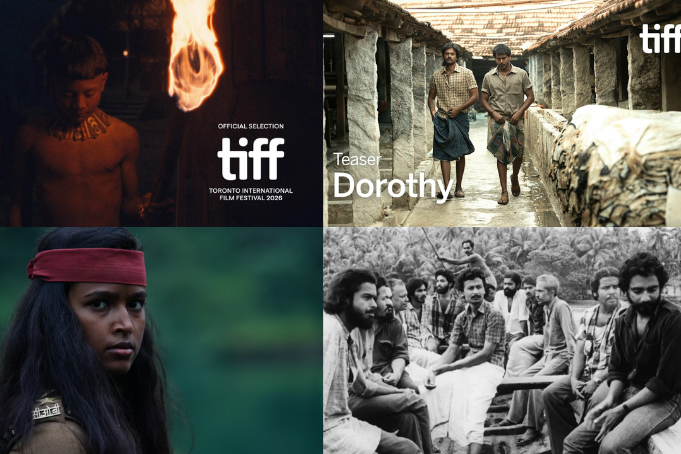
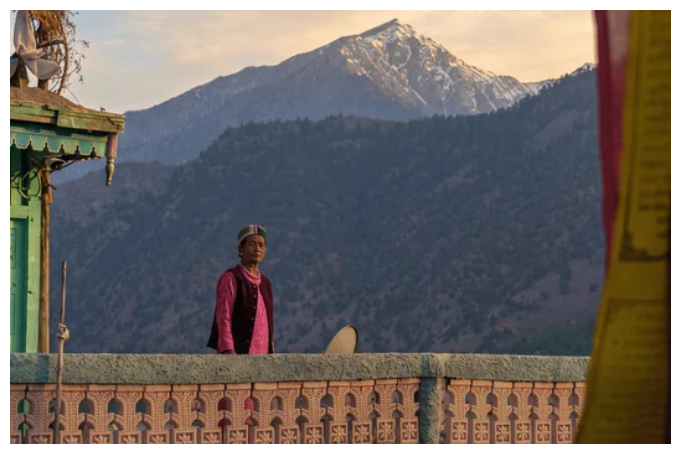

With indigenous Nagaland filmmaker Theja Rio’s “Angh” winning the TIFF Platform Competition at the 51st Toronto International Film Festival, its journey to the Oscars alongside the Marathi film “Gondhal,” India’s official Oscars entry, begins. When asked about his experience of mounting an Oscars campaign, Momaya remarks that it goes beyond just lobbying.
“At the Oscars, you are one of 150 or so international films. When you reach LA, the first thing you anticipate is, ‘I need to get voting members of the Academy to watch my film’. You're talking about getting time from AMPAS (Academy of Motion Picture Arts and Sciences) members and people who are otherwise going to screenings and dinners for films with Timothée Chalamet, Steven Spielberg or Alejandro Iñárritu. Your screening isn’t happening at the Four Seasons or Ross House, which cost some $35,000 - $40,000. It's at a small screening room where barely one or two members trickle in.”
“You also need the trade magazines to write about you and incredible film writers and editors to come in and support you. There's a massive expense to access this world. We were lucky that along the way we found some really fascinating people, like Priyanka Chopra Jonas and Harvey Keitel and his wife Daphna, who hosted screenings and helped us.”
But the Oscars campaign is only the job half done. What happens when a film like “Last Film Show” or “Homebound” is released theatrically and is unable to bring in the audience?
“Today in Hollywood, everyone is trying to create event-based viewing. You had ‘Barbie’ and ‘Oppenheimer’ and now, ‘The Odyssey’, ‘Obsession’ and ‘Backrooms’; everything feels like an event. And that's what's drawing people in. It feels like you were stepping out to a cult event, right? The Indian audience is doing that too. You look at films like ‘Hanuman Ansh’ and ‘Laalo,’ and it suddenly feels like there's an event happening. And if I'm part of the community that's attracted to this event, I'll go there.”
“So if that didn't happen for a film like ‘The Last Film Show’ or ‘Homebound’, that's almost our fault as the producers and distributors, that we were not able to create that feeling of an event. That, I feel, is something every Indian film releasing in cinemas will have to do going forward. Any film that's going to release in cinemas, you have to create that feeling.” He cites the example of promoting “Last Film Show” in Japan, where the local distributor brought in food bloggers to access a non-cinephile audience and even tied up with Tokyo restaurants to serve Gujarati food from the film, like dal dhokli. “That coordinated impact of press, marketing, and innovative distribution in Japan is one of the biggest masterclasses I’ve had, which I would like to bring to India.”
Popular on Variety
Finally, Momaya feels that non-mainstream, genre films today need a more focused release targeting specific communities, so that the film can grow through word of mouth.
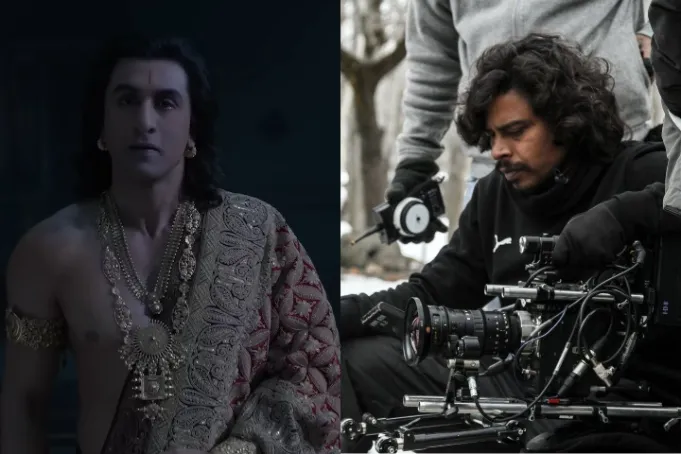
“Releasing films on 2000-3000 screens on Day 1 can work for a film where you have a star like Ranbir Kapoor. But if you're releasing a film without a big star or a specific genre—like ‘Hanuman Ansh’ and ‘Laalo’—they’ve usually taken off in their second or third week. They needed two weeks of word-of-mouth for that small base community to trickle in and for that to grow organically into what eventually became a third-week box office success. Most films are not even given three days at the box office because it's too wide a release. I feel we need more focused releases. And this idea of keeping a film longer in cinemas and letting word of mouth do its talking is the best possible thing that could have happened for non-mainstream films in India,” Momaya concludes.









Comments are moderated. They may be edited for clarity and reprinting in whole or in part in Variety publications.